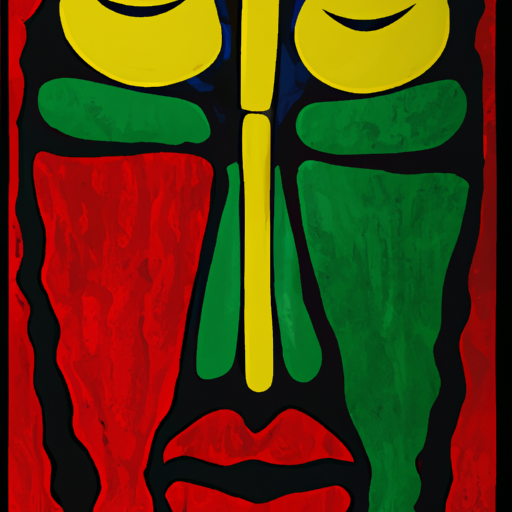
StylopediaStylopedia

Cultural styles on Stylopedia

A visual encyclopedia of cultural styles – use as prompt inspiration for Midjourney, Gemini, or ChatGPT AI when making cultural images

Example of visual style of Film Festivals

Film Festivals

Film Festivals is a visual style that emerged in the late 20th century and became famous in the early 21st century. It is characterized by its focus on showcasing a diverse range of films from around the world in a competitive or non-competitive setting. Film festivals became popular in the 1950s and 1960s, with renowned events like the Cannes Film Festival, Venice Film Festival, and Berlin International Film Festival. These festivals gained international recognition for promoting artistic and innovative cinema, and over the years, they have become important platforms for filmmakers, actors, and industry professionals to showcase their work and network with each other. The Film Festivals style is known for its celebration of creativity, cultural diversity, and experimental storytelling.

View StyleExplore Style
Example of visual style of Heian Culture

Heian Culture

Heian Culture refers to the visual style that emerged during the Heian period in ancient Japan, which lasted from 794 to 1185. This period was marked by a flourishing artistic and cultural scene. The Heian Culture is famous for its exquisite and lavish displays of art, literature, and fashion. It was during this time that the Tale of Genji, considered the first novel in the world, was written by Lady Murasaki Shikibu. The elegant and refined aesthetic of the Heian Culture continues to inspire and captivate people to this day.

View StyleExplore Style
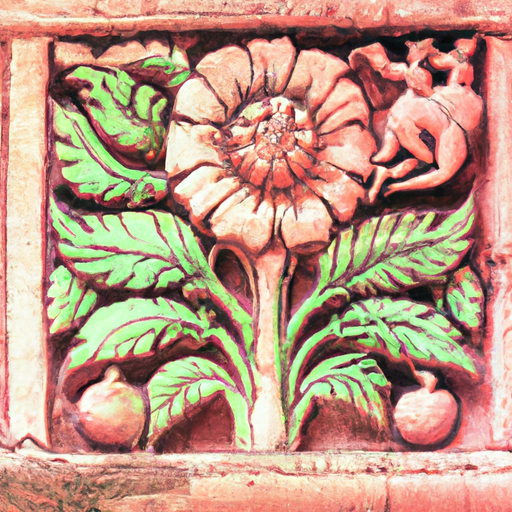
Example of visual style of Japanese Cultural Heritage

Japanese Cultural Heritage

Japanese Cultural Heritage is a style that encompasses various artistic and design elements deeply rooted in the traditions and history of Japan. It encompasses a wide range of mediums including painting, sculpture, architecture, textiles, and ceramics. This style is known for its attention to detail, refined aesthetics, and a deep respect for nature. It is influenced by important artistic periods in Japanese history such as the Heian period (794-1185) and Edo period (1603-1868). The use of traditional materials and techniques, such as ink painting, woodblock printing, and origami, contribute to its distinctiveness and cultural significance.

View StyleExplore Style
Example of visual style of Kobra

Kobra

Kobra is a vibrant and dynamic visual style that emerged in the early 21st century. Known for its bold use of colors and intricate patterns, this style gained popularity in the last decade. Kobra is famous for its attention to detail and the incorporation of geometric shapes and lines. It often features imagery that reflects cultural and social themes, making powerful statements through art. Notable artists who have contributed to the Kobra style include Eduardo Kobra and his team of talented muralists.

View StyleExplore Style
Example of visual style of Middle Eastern Art

Middle Eastern Art

Middle Eastern Art refers to the visual style of art that originates from the Middle East region. It encompasses various forms of art including traditional Islamic art, calligraphy, miniature painting, mosaic art, and more. Middle Eastern Art has a rich history and dates back to ancient civilizations like Mesopotamia and Egypt. It reached its peak during the Islamic Golden Age (8th to 14th centuries) when Islamic art and architecture flourished, characterized by intricate geometric patterns, arabesque designs, and ornate calligraphy. It has been highly influential in shaping the art world, known for its vibrant colors, detailed craftsmanship, and the fusion of religious, cultural, and regional influences.

View StyleExplore Style
Home