
StylopediaStylopedia

Critique styles on Stylopedia

A visual encyclopedia of critique styles – use as prompt inspiration for Midjourney, Gemini, or ChatGPT AI when making critique images

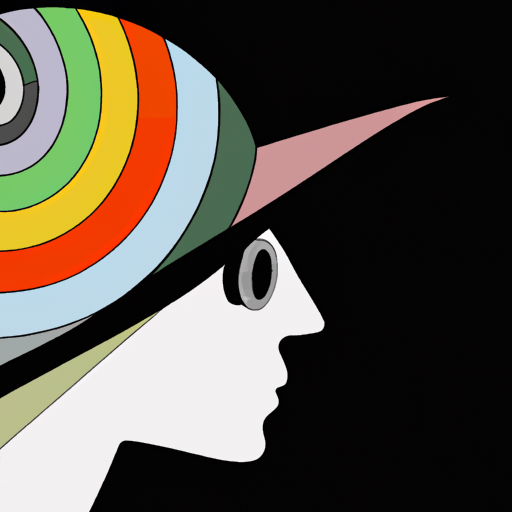
Example of visual style of Aldous Huxley

Aldous Huxley

The Aldous Huxley visual style represents a blend of dystopian themes, surrealistic elements, and intellectual perspectives prevalent during the early to mid-20th century. Inspired by Aldous Huxley's literary works, such as Brave New World, this style emerged as a reflection of the author's exploration of societal and technological advancements. It gained prominence in the 1930s and remains influential today for its critique of scientific progress, societal control, and the human condition.

View StyleExplore Style
Example of visual style of Archizoom Associati

Archizoom Associati

Archizoom Associati was an Italian design group active in the 1960s and 1970s. They were known for their avant-garde and radical design approach, which challenged traditional concepts of architecture and furniture design. Their work was characterized by a strong critique of consumerism and a focus on social and cultural transformation. Archizoom Associati became famous for their creation of experimental and visionary environments, such as the iconic 'Superonda' sofa, which blended fluid organic shapes with vibrant colors and unconventional materials.

View StyleExplore Style
Example of visual style of Makoto Aida

Makoto Aida

Makoto Aida is a contemporary Japanese artist known for his provocative and satirical artworks. His style emerged in the 1990s and gained fame for its bold, often disturbing, and socially critical visual language. Aida's works are characterized by their intricate detail, vibrant colors, and a combination of traditional Japanese techniques and modern pop culture references. His art often explores themes of war, consumerism, sexuality, and the darker aspects of society. Aida gained international recognition with his series 'Monument for Nothing,' exhibited in 2000 at the Yokohama Triennale. This series depicted disturbing scenes of war, violence, and destruction, challenging traditional notions of history and power.

View StyleExplore Style
Example of visual style of Political Cartoons

Political Cartoons

Political cartoons are a visual style of satirical illustrations that gained popularity in the late 18th century and continue to be influential today. These cartoons use caricatures, humor, and irony to make political commentary on current events, often with a strong social or political message. Famous political cartoonists like Thomas Nast, Honore Daumier, and Ralph Steadman have used their artwork to challenge authority, expose corruption, and shape public opinion.

View StyleExplore Style
Example of visual style of Superstudio

Superstudio

Superstudio was an architectural, design, and art collective founded in Italy in 1966. The movement gained popularity during the late 1960s and early 1970s, and was known for its innovative and utopian vision of architecture and urban planning. Superstudio's work was characterized by its critique of traditional architecture and its emphasis on creating hypothetical and conceptual projects rather than practical designs. Their famous works include 'The Continuous Monument' and 'Supersurfaces'.

View StyleExplore Style
Home