StylopediaStylopedia

Crime styles on Stylopedia

A visual encyclopedia of crime styles – use as prompt inspiration for Midjourney, Gemini, or ChatGPT AI when making crime images

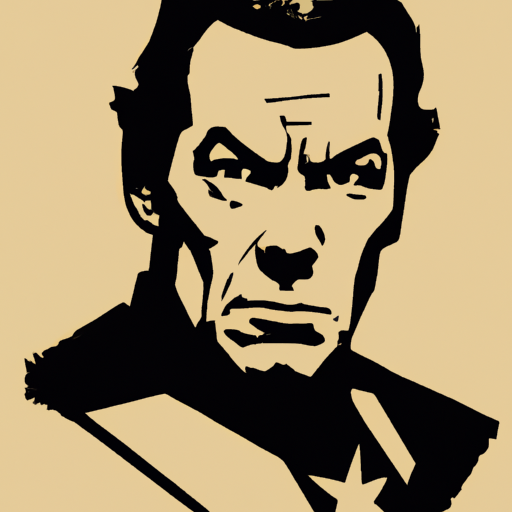
Example of visual style of Andrew Kevin Walker

Andrew Kevin Walker

Andrew Kevin Walker is a renowned American screenwriter known for his dark and gritty visual style. His style emerged in the 1990s and gained recognition through works like the film 'Se7en' released in 1995. Walker's style is characterized by its atmospheric intensity, moody and highly stylized cinematography, and a focus on exploring the dark depths of human nature. His visually striking storytelling often explores themes of crime, psychological turmoil, and moral ambiguity, which made him famous for his unique and haunting visual style.

View StyleExplore Style
Example of visual style of Comic Book Noir

Comic Book Noir

Comic Book Noir is a visual style that combines elements of film noir and comic book aesthetics. It emerged in the 1980s and became famous through works like Frank Miller's 'Sin City' series. This style is characterized by high contrast black and white imagery, dramatic lighting, bold lines, and heavy use of shadows. It often features morally ambiguous characters, gritty urban settings, and a sense of mystery and crime. Comic Book Noir captures the dark, atmospheric mood of film noir and translates it into the graphic storytelling of comic books.

View StyleExplore Style
Example of visual style of Hardboiled Detective Fiction

Hardboiled Detective Fiction

Hardboiled Detective Fiction is a gritty and dark visual style that emerged in the 1920s and gained popularity in the 1930s and 1940s. It is characterized by its tough, cynical, and realistic portrayal of crime and its protagonists. This style became famous for its depiction of private detectives, usually male, who operate in a corrupt and violent society. The stories often revolve around murder, mystery, and betrayal, featuring fast-paced action, tough dialogue, and morally ambiguous characters.

View StyleExplore Style
Example of visual style of Jacques Tardi

Jacques Tardi

Jacques Tardi is a French comic book artist and writer known for his distinctive style of black and white illustrations. His work emerged in the 1970s and gained popularity in the 1980s. Tardi's art is characterized by its gritty and detailed nature, often depicting war, crime, and the dark side of society. His use of stark contrasts, intricate linework, and a limited color palette creates a visually striking and emotionally intense atmosphere in his comics. Tardi's works, such as 'Adèle Blanc-Sec' and 'It Was the War of the Trenches,' have become iconic in the world of graphic storytelling. His art and storytelling are renowned for their historical accuracy and social commentary on events like World War I and the impact of war on individuals.

View StyleExplore Style
Example of visual style of James Ellroy

James Ellroy

James Ellroy is a visual style known for its dark and gritty aesthetic. It emerged in the late 1940s and became famous in the 1950s. The style is heavily influenced by film noir and neo-noir, characterized by sharp contrasts, deep shadows, and high contrast lighting. It often depicts morally ambiguous characters, crime, corruption, and a sense of paranoia. The style gained popularity through Ellroy's own novels and his unique writing style, which captivated readers with its fast-paced, hard-boiled prose and intricate plotlines.

View StyleExplore Style
Example of visual style of Jean Pierre Melville

Jean Pierre Melville

The visual style of Jean Pierre Melville is characterized by minimalist and atmospheric cinematography, understated performances, and a focus on crime and noir themes. Melville's films, predominantly made in the 1960s, are known for their precise and elegant compositions, with a muted color palette and stark lighting. His use of long takes and a meticulous attention to detail created a sense of suspense and tension. Jean Pierre Melville is particularly famous for his films 'Le Samouraï' (1967) and 'Le Cercle Rouge' (1970), which epitomize his signature style.

View StyleExplore Style
Home