StylopediaStylopedia

Craftsmanship styles on Stylopedia

A visual encyclopedia of craftsmanship styles – use as prompt inspiration for Midjourney, Gemini, or ChatGPT AI when making craftsmanship images

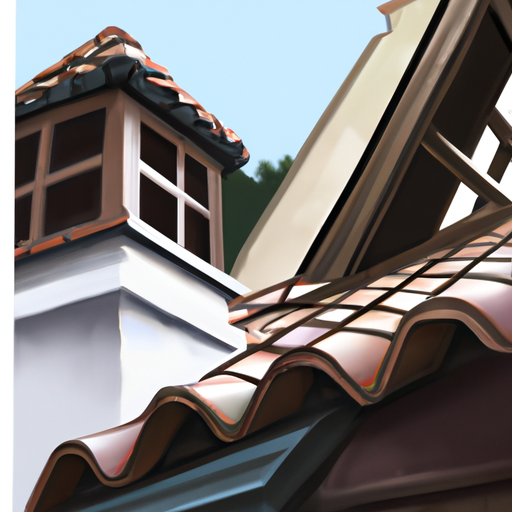
Example of visual style of Art Deco

Art Deco

Art Deco is a visual style that emerged in the 1920s and 1930s, reaching its peak popularity in the 1920s. It is characterized by geometric shapes, clean lines, and bold colors. Art Deco became famous for its elegant and luxurious aesthetics, inspired by modern technology and the industrialization of the time. It combined traditional craftsmanship with the use of modern materials, such as chrome, glass, and lacquer. The style was often associated with wealth, glamour, and luxury, and it was seen in architecture, interior design, fashion, and visual arts.

View StyleExplore Style
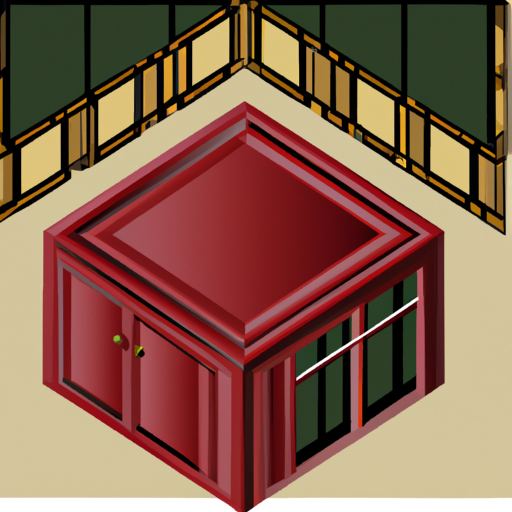
Example of visual style of Arts And Crafts

Arts And Crafts

Arts and Crafts is a style that emerged in the late 19th century in Britain and gained popularity in the early 20th century. It was a reaction against industrialization and emphasized craftsmanship, traditional techniques, and natural materials. This style was made famous by influential designers and architects like William Morris, Charles Rennie Mackintosh, and Gustav Stickley. It was characterized by intricate patterns, handcrafted furniture, simple forms, and a focus on the beauty of natural materials.

View StyleExplore Style
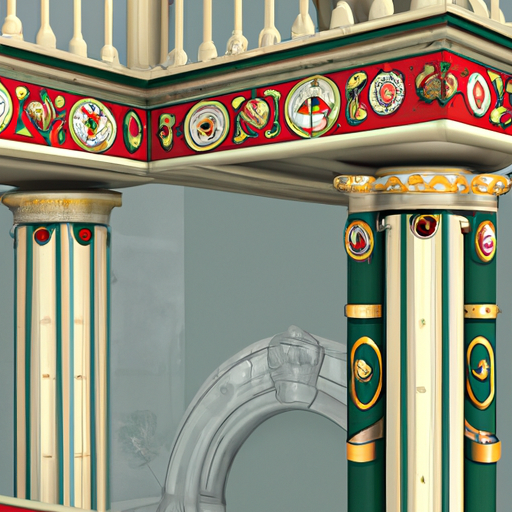
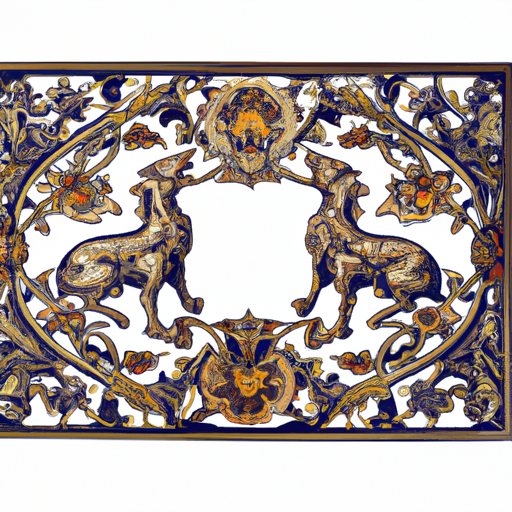
Example of visual style of Augustus Pugin

Augustus Pugin

Augustus Pugin was a prominent British architect and designer in the 19th century. He is best known for his role in the Gothic Revival and his influence on Victorian architecture. Pugin's style emerged in the 1830s and was characterized by the use of medieval architectural elements, intricate ornamentation, and a strong emphasis on craftsmanship and historical references. His designs played a significant role in shaping the visual aesthetic of the Victorian era, particularly in relation to ecclesiastical and government buildings.

View StyleExplore Style
Example of visual style of Bauhaus Design

Bauhaus Design

Bauhaus Design, which emerged in Germany in the early 20th century, is often associated with the years 1919-1933 when the Bauhaus school existed. It became famous for its innovative approach to art, architecture, and design. Bauhaus aimed to blend craftsmanship and mass production, combining functionality with aesthetic simplicity. It emphasized geometric shapes, clean lines, and a lack of unnecessary ornamentation. Bauhaus Design also influenced typography, interior design, and furniture. Its focus on merging art with technology and its strong impact on modernism made it internationally renowned.

View StyleExplore Style
Example of visual style of Burberry

Burberry

Burberry is a British luxury fashion brand known for its timeless and sophisticated design. Established in 1856 by Thomas Burberry, the brand gained popularity for its iconic trench coat, which was first created in the early 1900s for British military officers. The Burberry style is characterized by its sleek and classic aesthetic, combining traditional tailoring with modern elements. Over the years, Burberry has become synonymous with plaid patterns, fine craftsmanship, and a sense of British heritage. The brand's famous check pattern, introduced in the 1920s, has become an iconic symbol of luxury and elegance.

View StyleExplore Style
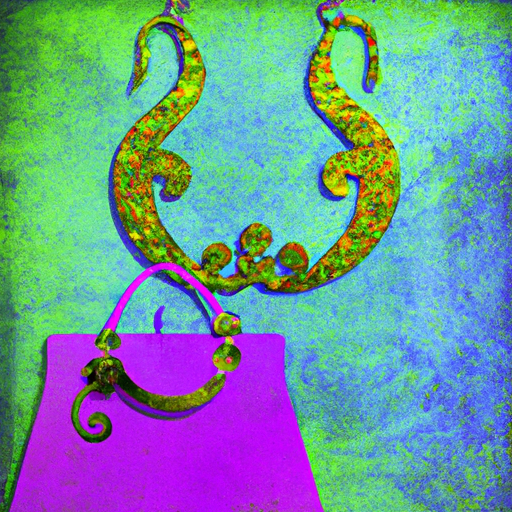
Example of visual style of Cellini

Cellini

Cellini is a visual style that emerged in the Renaissance period, particularly during the 16th century. It is named after the renowned Italian artist and goldsmith, Benvenuto Cellini. This style is characterized by its intricate and ornate designs, often featuring delicate details and rich embellishments. Cellini became famous for his exquisite metalwork, sculptures, and jewelry, which exemplified the elegance and skill of this style. The Cellini visual style gained popularity for its opulence and craftsmanship, attracting wealthy patrons and establishing a new standard of luxury and beauty in art and design.

View StyleExplore Style
Example of visual style of Chippendale

Chippendale

Chippendale is a style of furniture design that emerged in the mid-18th century, named after the British cabinet-maker Thomas Chippendale. It gained popularity during the years of 1750 to 1780. This visual style is famous for its ornate and intricately carved woodwork, especially in dining chairs and cabinets. The Chippendale style is characterized by the use of rococo motifs, such as scrolls, shells, and acanthus leaves, as well as Chinese-inspired elements like pagoda-shaped tops and fretwork. The craftsmanship and attention to detail made Chippendale furniture highly sought after, marking a shift towards more refined and elegant designs.

View StyleExplore Style
Example of visual style of Custom Car Culture

Custom Car Culture

Custom Car Culture emerged in the 1950s and 1960s as a popular subculture in the United States, characterized by the modification and personalization of automobiles. It gained significant recognition during the post-war era, with car enthusiasts flocking to car shows, drag races, and street cruises to showcase their unique and customized vehicles. This style became famous for its emphasis on individuality, creativity, and craftsmanship in automotive design and performance.

View StyleExplore Style
Example of visual style of Delftware

Delftware

Delftware is a style of Dutch pottery originating in the 17th century and reaching its peak in the 18th century. It is characterized by intricate blue and white hand-painted designs on tin-glazed earthenware. Delftware gained popularity due to its resemblance to Chinese porcelain, which was highly esteemed at the time. The style became famous for its delicate craftsmanship, elaborate floral patterns, and scenic motifs depicting landscapes, seascapes, and cityscapes. Delftware was widely exported and became synonymous with Dutch ceramic production.

View StyleExplore Style
Example of visual style of Droog Design

Droog Design

Droog Design is a Dutch design collective known for its unconventional and thought-provoking approach to design. Founded in 1993, it gained prominence in the 1990s and early 2000s for its innovative and often ironic take on everyday objects. Droog Design became famous for blurring the boundaries between art and design, challenging traditional notions of functionality and aesthetics. Their designs often feature clean lines, simple forms, and a focus on materials and craftsmanship.

View StyleExplore Style
Example of visual style of Eames

Eames

The Eames visual style is a mid-century modern design that emerged in the 1940s and 1950s. It was popularized by the famous American design couple Charles and Ray Eames. Known for its organic forms, clean lines, and innovative use of materials, the Eames style aimed to combine function, comfort, and beauty. The Eames' iconic furniture designs, such as their molded plywood chairs and the Eames Lounge Chair, became symbols of modern design. With their emphasis on functionality, simplicity, and craftsmanship, the Eames style continues to influence contemporary design and architecture.

View StyleExplore Style
Example of visual style of Emile Galle

Emile Galle

Emile Galle is a visual style that emerged in the late 19th century and lasted until the early 20th century. It is best known for its intricate glasswork and its emphasis on natural forms and motifs. Emile Galle, a French artist and designer, played a significant role in popularizing this style. He is famous for his use of vibrant colors, organic shapes inspired by plants and flowers, and the incorporation of innovative techniques like marquetry and cameo carving in glass objects. Emile Galle's works became highly sought after due to his attention to detail and the exquisite craftsmanship displayed in each piece.

View StyleExplore Style
Example of visual style of Fashion Design

Fashion Design

Fashion Design refers to the art and application of design and aesthetics in clothing and accessories. It has evolved over the years and gained prominence in the fashion industry. This visual style became particularly famous during the mid-20th century, with fashion designers like Coco Chanel and Christian Dior revolutionizing the industry. The blend of creativity, craftsmanship, and innovation in clothing design has made Fashion Design a distinct and influential visual style.

View StyleExplore Style
Example of visual style of George Nakashima

George Nakashima

George Nakashima was a Japanese-American woodworker and furniture designer. He is known for his unique style of furniture, which blended elements of traditional Japanese design with modernist influences. Nakashima's work became particularly famous in the 1950s and 1960s. What made him famous was his mastery of craftsmanship and his emphasis on the natural beauty of the wood. He utilized the natural edges and imperfections of the wood to create organic, flowing forms that celebrated the material's natural essence and revealed its history.

View StyleExplore Style
Example of visual style of Georges Jacob

Georges Jacob

Georges Jacob was a French furniture maker who worked during the late 18th and early 19th centuries. He is famous for his elegant and refined furniture designs, which were characterized by delicate lines, intricate details, and lavish ornamentation. Jacob's style reached its peak during the reign of Louis XVI and continued to thrive during the Napoleonic era. His furniture pieces were often made of mahogany, walnut, or oak and were known for their exceptional craftsmanship and luxurious finishes.

View StyleExplore Style
Example of visual style of Gustav Stickley

Gustav Stickley

Gustav Stickley was a prominent American furniture designer and architect who was part of the Arts and Crafts movement. His work was influential from the late 19th century to the early 20th century, particularly in the period from 1901 to 1916. Stickley's furniture design emphasized simplicity, functionality, and craftsmanship, with an emphasis on handmade construction and the use of natural materials. His designs often featured clean lines, sturdy construction, and traditional joinery techniques. This style became famous for its high-quality craftsmanship and the philosophy of honest, well-made furniture.

View StyleExplore Style
Example of visual style of Haute Couture

Haute Couture

Haute Couture is a high-fashion style that emerged in the mid-19th century and continues to define luxury and exclusivity in the world of fashion. Originating in Paris, France, Haute Couture refers to custom-made, handcrafted garments that are created with exceptional attention to detail and craftsmanship. This style became famous during the 20th century, with notable years such as the 1920s and the post-World War II period. Haute Couture gained its reputation through its association with renowned fashion houses and designers like Chanel, Dior, and Balenciaga, who pushed the boundaries of creativity and revolutionized the industry. Characterized by its intricacy, innovation, and quality, Haute Couture has become synonymous with elegance, sophistication, and unparalleled luxury.

View StyleExplore Style
Example of visual style of Japanese Art

Japanese Art

Japanese Art is a style of visual arts that has a rich and diverse history. It encompasses various art forms such as painting, calligraphy, ceramics, and woodblock prints. Japanese Art is renowned for its unique aesthetic and meticulous craftsmanship. It has been influenced by both the traditional Japanese culture and outside influences, such as Chinese and Western art. Important periods in Japanese Art include the Heian period (794-1185) known for its elegant court painting and the Edo period (1603-1868) where ukiyo-e, a genre of woodblock prints, became immensely popular both within Japan and internationally.

View StyleExplore Style
Home