StylopediaStylopedia

Counterculture styles on Stylopedia

A visual encyclopedia of counterculture styles – use as prompt inspiration for Midjourney, Gemini, or ChatGPT AI when making counterculture images

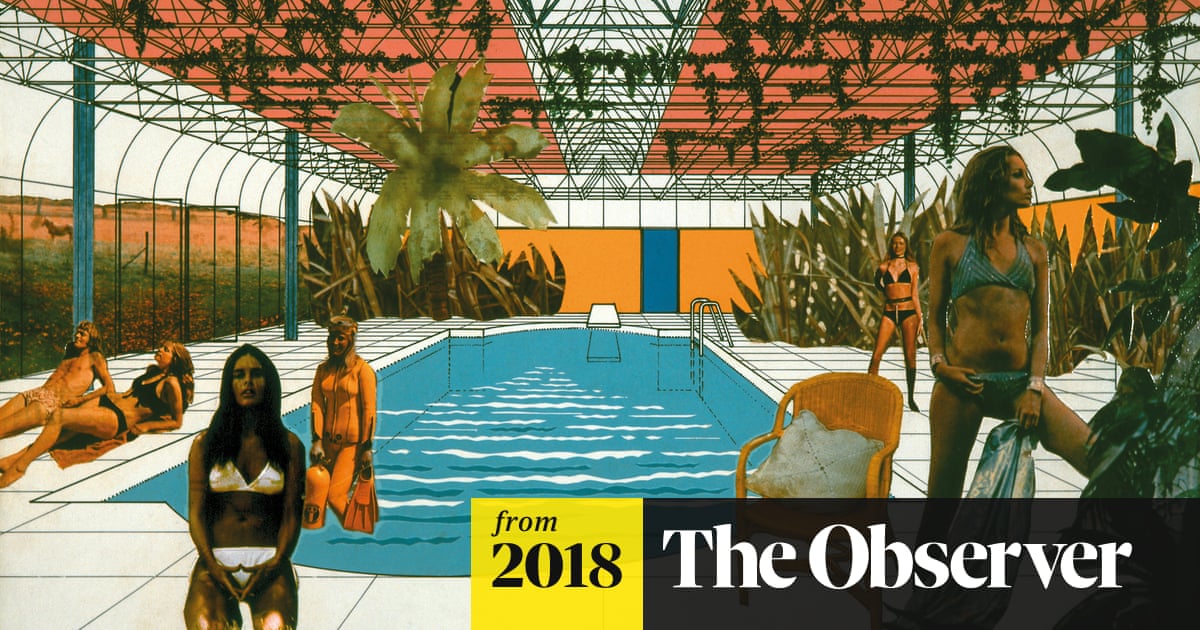
Example of visual style of Archigram

Archigram

Archigram is an avant-garde architectural design collective that was active during the 1960s. Known for their imaginative and futuristic proposals, Archigram pushed the boundaries of traditional architecture and embraced technology, pop culture, and science fiction influences. The group gained fame for their iconic projects such as the Walking City and Plug-in City, which envisioned mobile and adaptable environments that could be disassembled and reconfigured. Archigram's style captured the spirit of the '60s counterculture and embraced the emerging digital age, making them pioneers in the field of speculative and conceptual architecture.

View StyleExplore Style
Example of visual style of Gilbert Shelton

Gilbert Shelton

Gilbert Shelton is an underground cartoonist known for his distinctive visual style, which emerged in the 1960s. His comic strips, such as 'The Fabulous Furry Freak Brothers' and 'Fat Freddy's Cat', became popular during the counterculture movement, particularly in the United States. Shelton's art is characterized by its psychedelic and humor-driven nature, featuring exaggerated characters with wild expressions and trippy backgrounds. His unique blend of satire, social commentary, and absurdity made his work iconic and influential during this time.

View StyleExplore Style
Example of visual style of Iggy Pop

Iggy Pop

The visual style of Iggy Pop emerged in the late 1960s and gained prominence in the 1970s. It is characterized by a raw, energetic, and provocative aesthetic. Iggy Pop, born James Newell Osterberg, is renowned for his influential contributions to punk rock and his intense and uninhibited stage performances. His style is known for its non-conformity, rebellion, and a sense of danger, which resonated with the counterculture and youth of the time. Iggy Pop's visual style embraced elements such as tight leather pants, bare chest, and wild hair, embodying a rock 'n' roll spirit that continues to inspire musicians and fans to this day.

View StyleExplore Style
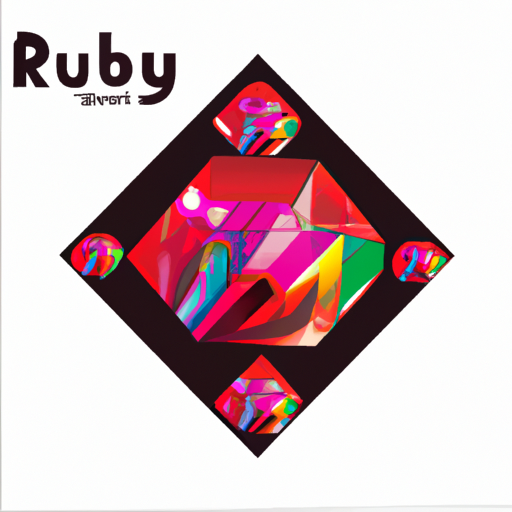
Example of visual style of Lucy

Lucy

Lucy is a visual style that became popular in the mid-1960s. It is characterized by vibrant and psychedelic colors, kaleidoscopic patterns, and a visually distorted and trippy aesthetic. This style was heavily influenced by the counterculture movements of the time, such as the hippie and psychedelic movements, and it was often associated with the Summer of Love in 1967. Lucy's fame can be attributed to its unique and mind-altering visuals that reflected the spirit of the era.

View StyleExplore Style
Example of visual style of National Lampoon

National Lampoon

The National Lampoon visual style emerged during the 1970s and became famous for its satirical and irreverent approach. It was known for its bold and humorous illustrations, often incorporating exaggerated characters and absurd situations. National Lampoon gained popularity for its magazine covers, which featured iconic art that reflected the counterculture of the time. This style remained influential throughout the 1980s and beyond, inspiring other satirical publications and comedy films.

View StyleExplore Style
Example of visual style of Robert Crumb

Robert Crumb

Robert Crumb is an American cartoonist, known for his distinctive underground comix style that emerged in the 1960s and gained fame in the counterculture movement. His work is characterized by intricate pen and ink drawings with exaggerated and caricatured figures, often depicting satirical and controversial themes. Crumb's detailed crosshatching and his ability to capture expressions and emotions through his drawings became his signature style and made him famous as the leading figure of the underground comic movement during the 1960s and 1970s.

View StyleExplore Style
Example of visual style of Rolling Stones

Rolling Stones

The Rolling Stones visual style is characterized by a gritty, rebellious and raw aesthetic. It became famous during the 1960s and 1970s, particularly with the release of their album covers and promotional materials. The style often incorporates black and white photography, bold typography, and provocative imagery. The Rolling Stones visual style captures the essence of rock and roll counterculture, embodying themes of rebellion, sexuality, and rockstar persona.

View StyleExplore Style
Example of visual style of The Fabulous Furry Freak Brothers

The Fabulous Furry Freak Brothers

The Fabulous Furry Freak Brothers is a visual style that originated in the late 1960s and gained popularity in the counterculture movement of the 1970s. Known for its psychedelic and cartoonish elements, this style is characterized by vibrant colors, intricate patterns, exaggerated proportions, and surreal imagery. The Fabulous Furry Freak Brothers comics, created by Gilbert Shelton, became famous for their satirical take on the hippie culture, cannabis use, and the socio-political climate of the time.

View StyleExplore Style
Example of visual style of The Rolling Stones

The Rolling Stones

The Rolling Stones visual style emerged in the 1960s and became a quintessential representation of the rebellious and energetic rock 'n' roll era. Known for their iconic logos, album covers, and stage designs, the Rolling Stones style embodies a fusion of boldness, grit, and counterculture. This style gained significant recognition in the late 1960s and throughout the 1970s, with album covers like 'Sticky Fingers' featuring a provocative image of a male crotch and the infamous 'Tongue and Lip Design' logo which has since become synonymous with the band's brand. The Rolling Stones visual style remains influential and serves as a symbol of rock music's enduring legacy.

View StyleExplore Style

Example of visual style of Victor Moscoso

Victor Moscoso

Victor Moscoso is a psychedelic artist known for his vibrant and visually striking artwork. He became famous in the 1960s as one of the leading poster artists of the San Francisco psychedelic rock scene. Moscoso's unique style combines bold, psychedelic colors with intricate patterns and distorted lettering. His distinctive use of optical effects, such as vibrating colors and 3D illusions, creates an eye-catching and mind-altering experience. Moscoso's work embodies the spirit of the counterculture movement of the 1960s, with its emphasis on individual expression, freedom, and experimentation.

View StyleExplore Style
Example of visual style of Wes Wilson

Wes Wilson

Wes Wilson is a pioneering figure in the field of psychedelic poster art. His style emerged in the 1960s and became synonymous with the counterculture movement during that time. Wilson's posters are characterized by their vibrant colors, distorted lettering, and intricate patterns. He revolutionized poster design by incorporating psychedelic and surreal elements, such as melting letters and fluid shapes. Wes Wilson's work became famous for its ability to visually represent the psychedelic experience and capture the spirit of the era.

View StyleExplore Style
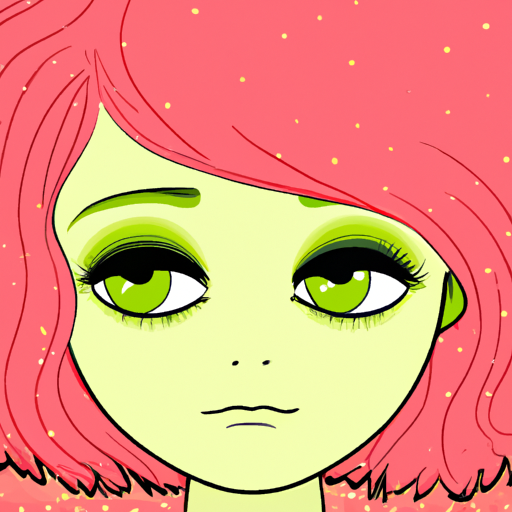
Example of visual style of Zodiac

Zodiac

Zodiac is a visual style that emerged in the late 1960s and early 1970s, during the psychedelic movement. It is characterized by vibrant colors, intricate patterns, and cosmic themes. This style gained fame through its association with the counterculture and the exploration of mysticism, astrology, and spirituality. Zodiac artwork often features zodiac signs, celestial bodies, and cosmic imagery, creating a mystical and otherworldly atmosphere. It became popular as a form of expression for individuals seeking to rebel against societal norms and explore alternative perspectives.

View StyleExplore Style
Home