
Data Bending
Data Bending is a digital art style that manipulates raw data files to create visual effects. Popularized in the 1990s through digital music production, artists use glitch effects to distort and corrupt images.
View StyleExplore Style Stylopedia
A visual encyclopedia of corruption styles – use as prompt inspiration for Midjourney, Gemini, or ChatGPT AI when making corruption images
Data Bending is a digital art style that manipulates raw data files to create visual effects. Popularized in the 1990s through digital music production, artists use glitch effects to distort and corrupt images.
View StyleExplore Style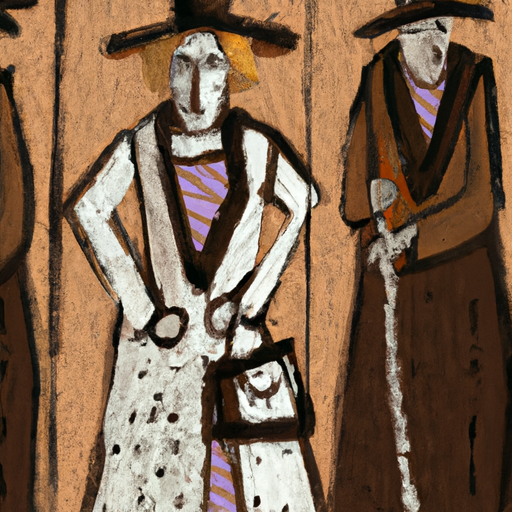
George Grosz was a German artist known for his satirical and critical works during the Weimar Republic era in the 1920s. His visual style can be described as a combination of Dadaism and New Objectivity. Grosz gained fame for his harsh and grotesque portrayals of German society, criticizing the corruption, decadence, and social inequalities of the time.
View StyleExplore Style
Hardboiled Detective Fiction is a gritty and dark visual style that emerged in the 1920s and gained popularity in the 1930s and 1940s. It is characterized by its tough, cynical, and realistic portrayal of crime and its protagonists. This style became famous for its depiction of private detectives, usually male, who operate in a corrupt and violent society. The stories often revolve around murder, mystery, and betrayal, featuring fast-paced action, tough dialogue, and morally ambiguous characters.
View StyleExplore Style
James Ellroy is a visual style known for its dark and gritty aesthetic. It emerged in the late 1940s and became famous in the 1950s. The style is heavily influenced by film noir and neo-noir, characterized by sharp contrasts, deep shadows, and high contrast lighting. It often depicts morally ambiguous characters, crime, corruption, and a sense of paranoia. The style gained popularity through Ellroy's own novels and his unique writing style, which captivated readers with its fast-paced, hard-boiled prose and intricate plotlines.
View StyleExplore Style
Judge Dredd, a British comic book character created by writer John Wagner and artist Carlos Ezquerra in 1977, is known for its gritty and dystopian visual style. The iconic style of Judge Dredd became famous for its future cityscapes, dark atmosphere, cyberpunk elements, and exaggerated character designs. The style portrays a post-apocalyptic world filled with violence, corruption, and a powerful totalitarian justice system. It gained popularity through various comic books, graphic novels, and film adaptations.
View StyleExplore Style
The visual style of Martin Scorsese is characterized by its gritty realism, intense subject matter, and strong use of color. Scorsese rose to fame in the 1970s with films such as 'Taxi Driver' and 'Raging Bull', which depicted the seedy underbelly of society and explored themes of violence, corruption, and redemption. His use of vibrant colors and dynamic camera movements create a palpable sense of tension and unease, immersing the audience in the raw emotions of his characters. Scorsese's style became famous for its unconventional storytelling techniques, such as voice-over narration and rapid editing. This visual style has continued to evolve over the years, with Scorsese exploring different genres and periods, yet maintaining his signature intensity and visual flair.
View StyleExplore Style
Thomas Nast was a prominent American political cartoonist in the 19th century. His visual style was characterized by detailed and expressive pen and ink drawings. Nast is best known for his work during the Civil War and Reconstruction era, where he played a significant role in shaping public opinion through his satirical cartoons. His cartoons were often published in Harper's Weekly and were influential in exposing corruption, advocating for civil rights, and promoting the Republican party. Nast's iconic illustrations of Santa Claus and Uncle Sam also contributed to his fame.
View StyleExplore Style
A dark and moody visual style popular in American films of the 1940s and 1950s, characterized by low-key lighting, stark contrasts, and shadowy, high-contrast compositions. Emphasizes themes of crime, corruption, and moral ambiguity.
View StyleExplore Style