StylopediaStylopedia

Consumerism styles on Stylopedia

A visual encyclopedia of consumerism styles – use as prompt inspiration for Midjourney, Gemini, or ChatGPT AI when making consumerism images

Example of visual style of American Psycho

American Psycho

American Psycho is a visual style associated with the 1980s and early 1990s, particularly influenced by the aesthetics of consumerism, materialism, and excess prevalent in that era. This style gained fame through its representation in the 2000 film 'American Psycho' directed by Mary Harron, based on the novel by Bret Easton Ellis. The visual style of American Psycho is characterized by sleek and minimalist designs, often incorporating bold colors, high-end fashion, and luxurious interiors. It depicts a superficial and hyper-capitalist society obsessed with appearances and status.

View StyleExplore Style
Example of visual style of Barbara Kruger

Barbara Kruger

Barbara Kruger is known for her bold and politically-charged artwork that combines text and imagery. She rose to prominence in the late 1970s and early 1980s during the feminist art movement and the rise of postmodernism. Kruger's iconic style consists of black and white photographs overlaid with text in a bold, red font. Her work often explores themes of consumerism, gender, and power, and challenges viewers to question societal norms and control. Through her powerful and visually striking pieces, Kruger has become one of the most influential artists of her time.

View StyleExplore Style
Example of visual style of Claes Oldenburg

Claes Oldenburg

Claes Oldenburg is known for his unique style of Pop Art, which emerged in the 1960s. With a focus on transforming everyday objects into monumental sculptures, Oldenburg challenged traditional notions of art and its subject matter. His work often explores themes of consumerism, popular culture, and the ironies of American society. Oldenburg's fame grew with his large-scale installations like the 'Giant BLT' and 'Clothespin', which showcased his playful and satirical approach to art. His innovative use of materials and exaggerated scale made him a prominent figure in the art world.

View StyleExplore Style
Example of visual style of David LaChapelle

David LaChapelle

David LaChapelle is a renowned American photographer known for his hyper-realistic and surrealistic style. His career began in the 1980s when he moved to New York City and started working for Andy Warhol's Interview magazine. LaChapelle's style became famous for its vibrant colors, bold compositions, and larger-than-life subjects. His photographs often combine pop culture references, religious imagery, and themes of glamour and consumerism. LaChapelle's work gained widespread recognition in the 1990s and early 2000s, with his iconic celebrity portraits and groundbreaking editorial campaigns.

View StyleExplore Style
Example of visual style of Jeff Koons

Jeff Koons

Jeff Koons is an American artist known for his vibrant and highly polished aesthetic. His visual style emerged in the 1980s and gained widespread recognition for its exploration of popular culture, consumerism, and the boundaries between high and low art. Koons's work often features large-scale sculptures of everyday objects, such as balloon animals, toys, and household items, rendered in materials like stainless steel and porcelain. His art became famous for its playfulness, boldness, and ability to provoke thought and controversy.

View StyleExplore Style
Example of visual style of Makoto Aida

Makoto Aida

Makoto Aida is a contemporary Japanese artist known for his provocative and satirical artworks. His style emerged in the 1990s and gained fame for its bold, often disturbing, and socially critical visual language. Aida's works are characterized by their intricate detail, vibrant colors, and a combination of traditional Japanese techniques and modern pop culture references. His art often explores themes of war, consumerism, sexuality, and the darker aspects of society. Aida gained international recognition with his series 'Monument for Nothing,' exhibited in 2000 at the Yokohama Triennale. This series depicted disturbing scenes of war, violence, and destruction, challenging traditional notions of history and power.

View StyleExplore Style
Example of visual style of Neo Pop

Neo Pop

Neo Pop is a visual style that emerged in the late 20th century and gained popularity in the 1980s. It is a continuation of the Pop Art movement with a contemporary twist. This style is characterized by bright and vibrant colors, bold and graphic imagery, and a fusion of popular culture references. Neo Pop became famous for its incorporation of elements from popular media, consumerism, and advertising. It often criticizes the mass-produced nature of modern society while celebrating the icons and symbols of popular culture. Some important years for Neo Pop include the 1980s and 1990s when it gained mainstream recognition and influenced various artistic fields such as painting, sculpture, and design.

View StyleExplore Style
Example of visual style of Nouveau Realisme

Nouveau Realisme

Nouveau Realisme, also known as New Realism, was an art movement that emerged in France in the early 1960s. It gained popularity during the years 1960-1970. The movement was famous for combining art with everyday objects and materials, blurring the boundaries between art and reality. Artists associated with Nouveau Realisme aimed to depict the world as it was, focusing on urban life, consumerism, and the industrial landscape. They often employed collage, assemblage, and found objects to create their artworks. Nouveau Realisme challenged the traditional notions of art, emphasizing the importance of the ordinary and the real.

View StyleExplore Style

Example of visual style of Recycled Art

Recycled Art

Recycled Art is a style that involves creating artwork using materials that have been previously used or discarded. It emerged in the late 20th century as a response to the growing concern for the environment and the need for sustainability. Famous in the 1960s and 1970s, the movement gained recognition as artists repurposed everyday objects and waste to create unique and thought-provoking pieces. By transforming trash into art, recycled art brought attention to issues of consumerism and waste management.

View StyleExplore Style
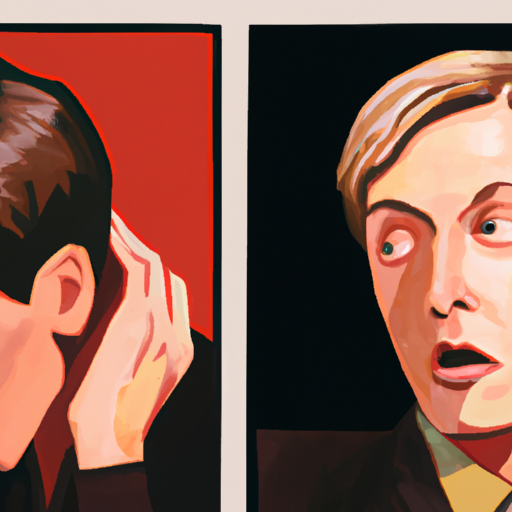
Example of visual style of Richard Hamilton

Richard Hamilton

Richard Hamilton was a British artist and pioneer of Pop Art. His visual style is characterized by a combination of popular culture imagery, consumerism, and a sense of irony. His work emerged in the 1950s and 1960s and played a significant role in popularizing the Pop Art movement, which challenged traditional artistic conventions by incorporating commercial and mass-produced imagery. Hamilton's use of collage, appropriation, and innovative printmaking techniques made his work stand out and gain international fame.

View StyleExplore Style

Example of visual style of Richard Prince

Richard Prince

Richard Prince is an American artist known for his appropriation of existing images and recontextualization of mass media. He rose to prominence in the 1980s by rephotographing Marlboro cigarette advertisements and later by creating his own artwork inspired by popular culture and consumerism. Prince's work explores themes of identity, authenticity, and the role of images in society. His use of appropriation and recontextualization has made him famous for challenging traditional notions of authorship and originality in art.

View StyleExplore Style
Example of visual style of Romuald Hazoume

Romuald Hazoume

Romuald Hazoume is a contemporary Beninese artist known for his mixed media sculptures that explore themes of identity, consumerism, and globalization. His style emerged in the 1990s and gained recognition for its innovative use of recycled materials, particularly discarded plastic jerry cans. By repurposing these objects, Hazoume creates visually striking sculptures that comment on issues of social and political importance. His works often feature masks or faces, reflecting his interest in African traditions and the mask as a symbol of cultural identity. Hazoume's use of found materials and his critique of consumer culture have made him a prominent figure in the contemporary art world.

View StyleExplore Style
Example of visual style of Sigmar Polke

Sigmar Polke

Sigmar Polke was a German painter known for his unconventional and experimental approach to art. His style emerged in the 1960s and became prominent in the following decades. Polke's work combined elements of Pop Art, Minimalism, and Conceptual Art. He often incorporated found images, newspaper prints, and unconventional materials into his paintings. His use of vibrant colors, juxtaposition of contrasting elements, and layering techniques became his signature. Sigmar Polke's style challenged traditional artistic conventions and explored themes of consumerism, politics, and social critique. His ability to blend different visual styles and techniques made him famous for his innovative and influential contributions to contemporary art.

View StyleExplore Style
Example of visual style of Superflat

Superflat

Superflat is an art movement that emerged in Japan in the late 1990s. Coined by the artist Takashi Murakami, the name refers to the flat, two-dimensional aesthetic often associated with traditional Japanese art and contemporary Japanese popular culture. Superflat combines elements of anime, manga, commercial art, and fine art to create a visually striking and bold style. It gained significant attention and popularity for its critique of consumerism and mass media, as well as its incorporation of Japanese cultural motifs. Some important years in the development of Superflat include the late 1990s and early 2000s, when artists like Murakami, Yoshitomo Nara, and Chiho Aoshima gained international recognition for their work.

View StyleExplore Style

Example of visual style of Tom Sachs

Tom Sachs

Tom Sachs is an American contemporary artist known for his sculptural works that often appropriate and reimagine recognizable cultural icons and consumer products. He emerged in the mid-1990s as part of a generation of artists responding to the dominant consumerist culture. Sachs gained fame for his meticulous and DIY approach, using everyday materials and objects to recreate and comment on the consumerist culture. His works often explore themes of consumerism, technology, space exploration, and the relationship between humans and their environment.

View StyleExplore Style
Home