StylopediaStylopedia

Conceptual art styles on Stylopedia

A visual encyclopedia of conceptual art styles – use as prompt inspiration for Midjourney, Gemini, or ChatGPT AI when making conceptual art images

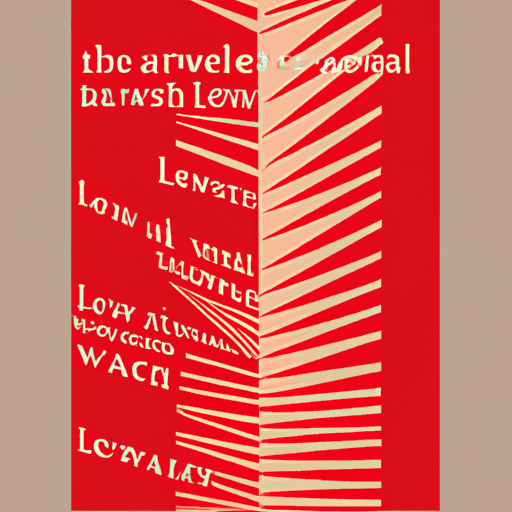
Example of visual style of Duchampian

Duchampian

Duchampian is a visual style named after the influential artist Marcel Duchamp. It emerged in the early 20th century and became famous for its provocative and conceptual nature. Duchampian art challenges traditional notions of artistic creation and the definition of art itself. With his iconic work 'Fountain' in 1917, Duchamp introduced the concept of the 'readymade,' where everyday objects were transformed into art simply by the act of choosing and presenting them in a gallery setting. This approach sparked a major shift in the art world and influenced subsequent movements like Dadaism and Conceptual art.

View StyleExplore Style
Example of visual style of John Baldessari

John Baldessari

John Baldessari is known for his conceptual art style which emerged in the 1960s and became famous in the 1970s. He is recognized for his distinctive use of text, photography, and found images in his artworks. Baldessari's work often challenges traditional art conventions and explores the relationship between image and language. His influential series such as 'The Cremation Project' (1970) and 'I Will Not Make Any More Boring Art' (1971) brought him international recognition and established him as a pioneer of conceptual art.

View StyleExplore Style
Example of visual style of Joseph Kosuth

Joseph Kosuth

Joseph Kosuth is a contemporary artist known for his conceptual art and use of language. His work emerged in the late 1960s and played a significant role in the development of conceptual art. Kosuth's art focuses on the exploration of meaning through language and text. He is famous for his use of neon signs, textual definitions, and philosophical inquiries. His work challenges the traditional notion of art as merely aesthetic and instead emphasizes the importance of ideas and intellectual engagement.

View StyleExplore Style
Example of visual style of Laurie Anderson

Laurie Anderson

Laurie Anderson is an American avant-garde artist known for her multimedia installations, performances, and music. Her work emerged in the late 1970s, and she became a prominent figure in the art scene of the 1980s. Anderson's visual style combines innovative technology, storytelling, and conceptual art. She is famous for her use of multimedia elements such as spoken word, performance art, video projection, and electronic music. Her work often explores themes of technology, identity, politics, and language.

View StyleExplore Style
Example of visual style of Lawrence Weiner

Lawrence Weiner

Lawrence Weiner is an American artist known for his visual style of conceptual art. His style emerged in the late 1960s and became famous for its emphasis on language and the use of text as artistic material. Weiner's art is characterized by the use of simple, concise statements created with letters and words, which are often painted directly on walls or displayed as text-based installations. His work focuses on the relationship between language, meaning, and the viewer's interpretation, challenging traditional notions of art as physical objects. Weiner's significant contribution to conceptual art has made him a prominent figure in contemporary art history.

View StyleExplore Style
Example of visual style of Lucio Fontana

Lucio Fontana

Lucio Fontana was an Argentinian-Italian artist known for his pioneering work in the fields of spatialism and conceptual art. He is most famous for his series of slashed paintings, created from the late 1940s to the 1960s. Fontana's slashes on the canvas marked a radical departure from traditional painting, introducing a three-dimensional element and blurring the boundaries between painting and sculpture. His exploration of space, light, and materiality influenced subsequent generations of artists.

View StyleExplore Style
Example of visual style of Sigmar Polke

Sigmar Polke

Sigmar Polke was a German painter known for his unconventional and experimental approach to art. His style emerged in the 1960s and became prominent in the following decades. Polke's work combined elements of Pop Art, Minimalism, and Conceptual Art. He often incorporated found images, newspaper prints, and unconventional materials into his paintings. His use of vibrant colors, juxtaposition of contrasting elements, and layering techniques became his signature. Sigmar Polke's style challenged traditional artistic conventions and explored themes of consumerism, politics, and social critique. His ability to blend different visual styles and techniques made him famous for his innovative and influential contributions to contemporary art.

View StyleExplore Style
Home