
StylopediaStylopedia

Conceptual styles on Stylopedia

A visual encyclopedia of conceptual styles – use as prompt inspiration for Midjourney, Gemini, or ChatGPT AI when making conceptual images

Example of visual style of Ai Weiwei

Ai Weiwei

Ai Weiwei is a contemporary Chinese artist known for his politically charged, conceptual artwork. His visual style combines elements of minimalism, conceptualism, and social commentary. Weiwei gained prominence in the early 2000s for his provocative installations, sculptures, photography, and documentaries. His use of unconventional materials, such as porcelain, wood, and everyday objects, juxtaposed with traditional Chinese craftsmanship, challenges the boundaries of art and raises questions about government control, human rights, and censorship in China.

View StyleExplore Style
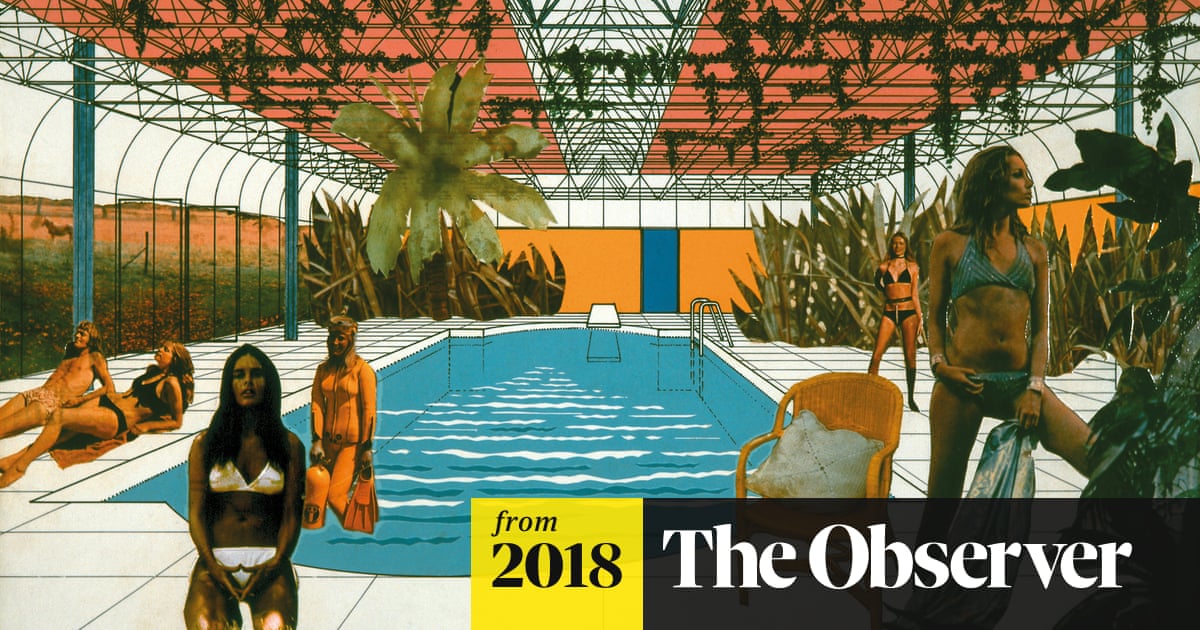
Example of visual style of Archigram

Archigram

Archigram is an avant-garde architectural design collective that was active during the 1960s. Known for their imaginative and futuristic proposals, Archigram pushed the boundaries of traditional architecture and embraced technology, pop culture, and science fiction influences. The group gained fame for their iconic projects such as the Walking City and Plug-in City, which envisioned mobile and adaptable environments that could be disassembled and reconfigured. Archigram's style captured the spirit of the '60s counterculture and embraced the emerging digital age, making them pioneers in the field of speculative and conceptual architecture.

View StyleExplore Style
Example of visual style of Bruce Nauman

Bruce Nauman

Bruce Nauman is an American artist known for his pioneering work in various mediums including sculpture, video, performance, and installation art. His work emerged in the late 1960s and was heavily influenced by the Conceptual art movement. Nauman's art often explores themes of language, communication, body, and the human condition. He is famous for his use of repetitive phrases, neon lights, and video surveillance to challenge the viewer's perception and provoke introspection.

View StyleExplore Style
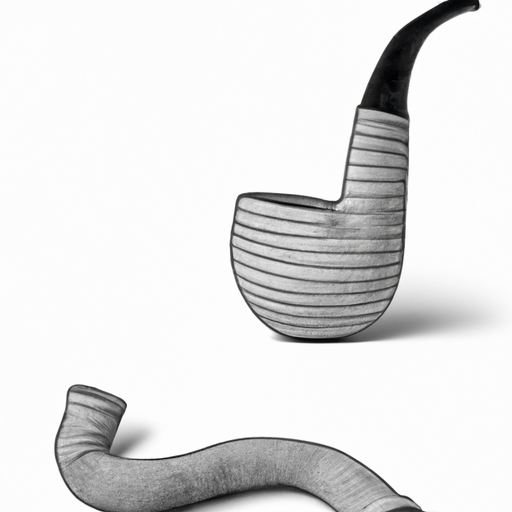
Example of visual style of Damien Hirst

Damien Hirst

A controversial and provocative style known for its bold and audacious artwork. Damien Hirst rose to fame in the 1990s for his conceptually driven and often confrontational pieces, which revolved around themes of death, mortality, and the fragility of life. Hirst became famous for his use of unconventional materials, such as preserved animals, pharmaceuticals, and laboratory equipment, presented in stark and clinical displays. The combination of shock value, meticulous craftsmanship, and provocative subject matter propelled Hirst to become one of the most prominent artists of his generation.

View StyleExplore Style

Example of visual style of Duane Michals

Duane Michals

Duane Michals is a photographer known for his narrative and conceptual approach to photography. His work emerged during the 1960s and 1970s, when he began to challenge the boundaries of traditional photography by incorporating text, multiple exposures, and sequential images. Michals gained fame for his ability to tell stories through his photographs, often exploring themes of love, death, and the human condition. His innovative techniques and poetic narratives have made him a significant figure in the history of photography.

View StyleExplore Style
Example of visual style of Duchampian

Duchampian

Duchampian is a visual style named after the influential artist Marcel Duchamp. It emerged in the early 20th century and became famous for its provocative and conceptual nature. Duchampian art challenges traditional notions of artistic creation and the definition of art itself. With his iconic work 'Fountain' in 1917, Duchamp introduced the concept of the 'readymade,' where everyday objects were transformed into art simply by the act of choosing and presenting them in a gallery setting. This approach sparked a major shift in the art world and influenced subsequent movements like Dadaism and Conceptual art.

View StyleExplore Style
Example of visual style of Fiona Banner

Fiona Banner

Fiona Banner is a contemporary British artist known for her use of text-based artwork and immersive installations. Her style is characterized by its minimalistic and conceptual nature, often incorporating language as the central element of her pieces. Banner gained recognition in the late 1990s for her 'wordscapes,' large-scale text installations that use words and typography to create visual landscapes. She became famous for her attention to detail and bold use of language to explore themes of communication, power, and identity.

View StyleExplore Style
Example of visual style of Hiroshi Sugimoto

Hiroshi Sugimoto

Hiroshi Sugimoto is a contemporary Japanese photographer known for his minimalist and conceptual approach to black and white photography. He gained fame in the 1970s with his series 'Seascapes' and 'Theaters', which explore the concepts of time, memory, and perception. Sugimoto's meticulous compositions and long exposure times create ethereal and timeless images. His work is characterized by its precise framing, high contrast, and exquisite use of light and shadow.

View StyleExplore Style

Example of visual style of Ilya And Emilia Kabakov

Ilya And Emilia Kabakov

Ilya and Emilia Kabakov is a visual style created by the artist duo Ilya and Emilia Kabakov. They emerged in the late 20th century and gained recognition for their installations, sculptures, and paintings. The Kabakovs are known for their conceptual and narrative approach to art, often creating immersive environments that incorporate elements of Soviet-era nostalgia and social critique. Their works explore themes of memory, dreams, and the human condition, often inviting viewers to reflect on personal and collective experiences. Their unique fusion of conceptualism, surrealism, and social commentary has made the Ilya and Emilia Kabakov style famous around the world.

View StyleExplore Style
Example of visual style of Marcel Duchamp

Marcel Duchamp

The visual style of Marcel Duchamp emerged in the early 20th century and revolutionized the art world. Duchamp is known for his conceptually-driven approach to art, challenging traditional notions of aesthetics and the role of the artist. He gained fame for his ready-mades, ordinary objects that he selected and presented as art. Duchamp's works, such as his famous piece 'Fountain' (1917), sparked debates about the nature of art and the boundaries of creativity. His style embodies innovation, intellectualism, and iconoclasm.

View StyleExplore Style
Example of visual style of Peter Saville

Peter Saville

Peter Saville is a British graphic designer known for his minimalist and innovative approach. He rose to fame in the late 1970s and 1980s through his iconic album covers for bands such as Joy Division and New Order. Saville's style is characterized by its clean lines, sophisticated typography, and use of bold and vibrant colors. He often incorporates conceptual elements into his designs, creating visual narratives that resonate with the audience. Saville's work has had a significant impact on the field of graphic design and continues to be influential to this day.

View StyleExplore Style
Example of visual style of Piero Manzoni

Piero Manzoni

Piero Manzoni was an Italian artist who was active in the 1950s and 1960s. He is best known for his provocative works that challenged the traditional notion of art. Manzoni gained fame for his 'Artist's Shit' series, where he canned his own excrement and labeled it as art. This controversial piece questioned the commodification of art and the value placed on the artist's name. His work also included the 'Living Sculptures' series, in which he would present himself as an artwork. Manzoni's visual style can be described as conceptual and conceptualist, with a focus on questioning the boundaries and purpose of art.

View StyleExplore Style
Example of visual style of Rachel Whiteread

Rachel Whiteread

Rachel Whiteread is a British artist known for her minimalist and conceptual sculptures. Her style is characterized by the casting of negative spaces, particularly those found in everyday objects and architectural structures. Whiteread gained fame in the 1990s for her large-scale public art projects, such as 'House' in 1993, where she filled an entire house with concrete and then removed the original structure, leaving only the casted interior. This groundbreaking work marked a shift in contemporary art, challenging traditional notions of sculpture and representation.

View StyleExplore Style

Example of visual style of Sol Lewitt

Sol Lewitt

Sol Lewitt's visual style, which emerged in the 1960s, is known for its minimalistic and geometric forms. Often associated with Conceptual Art and Minimalism, Lewitt's approach focused on the idea or concept behind the artwork rather than its physical execution. His works often consist of simple geometric shapes, such as lines, squares, and cubes, arranged in various configurations. The use of bold colors and the repetition of these elements created a sense of rhythm and precision, giving his works a visually striking and harmonious quality. Lewitt's style became famous for challenging traditional notions of authorship, as he would provide instructions or guidelines for others to physically realize his concepts, blurring the line between the artist and the artwork itself.

View StyleExplore Style

Example of visual style of Superstudio

Superstudio

Superstudio was an architectural, design, and art collective founded in Italy in 1966. The movement gained popularity during the late 1960s and early 1970s, and was known for its innovative and utopian vision of architecture and urban planning. Superstudio's work was characterized by its critique of traditional architecture and its emphasis on creating hypothetical and conceptual projects rather than practical designs. Their famous works include 'The Continuous Monument' and 'Supersurfaces'.

View StyleExplore Style
Example of visual style of Yoko Ono

Yoko Ono

The Yoko Ono visual style emerged in the 1960s and became prominent in the realms of conceptual art and performance art. Yoko Ono, a Japanese artist and musician, gained fame for her avant-garde and experimental approach to art. She incorporated elements of Fluxus, a radical art movement known for its anti-art and anti-commercialism stance. Ono's work often challenged traditional art forms, embracing concepts like interactivity, audience participation, and the blending of art and life.

View StyleExplore Style
Home