StylopediaStylopedia

Computer-generated imagery styles on Stylopedia

A visual encyclopedia of computer-generated imagery styles – use as prompt inspiration for Midjourney, Gemini, or ChatGPT AI when making computer-generated imagery images

Example of visual style of Animation Style Of The 90s

Animation Style Of The 90s

The Animation Style Of The 90s is characterized by vibrant colors, exaggerated movements, and a mix of traditional hand-drawn animation and emerging computer-generated imagery. It gained popularity during the 1990s and was known for its distinctive look and energetic storytelling. This style became famous through the rise of animated TV shows, such as 'The Simpsons,' 'Animaniacs,' and 'Ren & Stimpy,' as well as films like 'The Lion King' and 'Toy Story.' The combination of traditional techniques with new technologies helped create a visually unique and captivating experience for audiences.

View StyleExplore Style

Example of visual style of Avatar

Avatar

Avatar is a visually stunning science fiction film that was released in 2009. Its groundbreaking use of 3D technology and extensive use of computer-generated imagery (CGI) made it famous. The film was directed by James Cameron and is set in the mid-22nd century on the moon Pandora. It follows the story of a paraplegic marine who inhabits an alien body, known as an Avatar, as part of a scientific experiment. Avatar's visual style is characterized by its vibrant and lush environments, innovative creature designs, and intricate attention to detail in creating the alien world of Pandora.

View StyleExplore Style
Example of visual style of Contemporary Animation

Contemporary Animation

Contemporary Animation refers to the current style of animation that has evolved from traditional hand-drawn and stop-motion techniques to computer-generated imagery (CGI) and digital animation. It became prominent in the late 20th century and continues to be a popular medium in the 21st century. The rise of advanced technology, software, and digital tools has significantly contributed to the fame of contemporary animation, allowing artists and filmmakers to create visually stunning and immersive animated works.

View StyleExplore Style
Example of visual style of Digital Lighting And Rendering

Digital Lighting And Rendering

Digital Lighting and Rendering is a visual style that emerged in the late 1990s and gained prominence in the early 2000s. It revolutionized the way lighting and rendering were approached in computer-generated imagery (CGI) by introducing highly realistic and dynamic lighting effects. This style became famous for its ability to create lifelike textures, shadows, reflections, and refractions, providing a level of visual realism never seen before. It played a vital role in the advancement of computer graphics in films, video games, and architectural visualizations.

View StyleExplore Style
Example of visual style of Digital Media

Digital Media

Digital Media is a visual style that emerged in the late 20th century and continues to develop in the 21st century. It is characterized by the use of digital technology and computer-generated imagery to create and manipulate visual content. This style became famous with the advent of personal computers and the internet, which allowed artists, designers, and creators to explore new possibilities in visual expression. It gained prominence in the 1990s and is now widely used in various fields, including graphic design, advertising, film, animation, and video games.

View StyleExplore Style
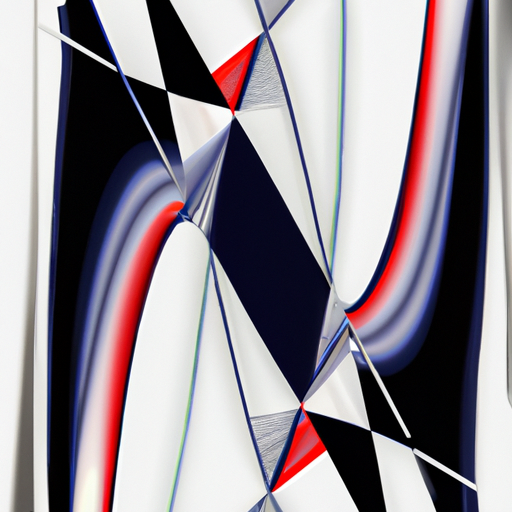
Example of visual style of Edwin Catmull

Edwin Catmull

Edwin Catmull is not specifically associated with a visual style, as he is a pioneer in the field of computer graphics and animation. He co-founded Pixar Animation Studios and contributed significantly to the development of computer-generated imagery (CGI). Catmull is known for his groundbreaking work in computer animation and his contributions to various films, including Toy Story (1995), Finding Nemo (2003), and Wall-E (2008). He played a crucial role in developing techniques such as texture mapping, motion blur, and subdivision surfaces, which revolutionized the field of computer graphics.

View StyleExplore Style

Example of visual style of Hey Arnold

Hey Arnold

Hey Arnold is a popular animated television series that aired from 1996 to 2004. The visual style of Hey Arnold is characterized by its bold and exaggerated character designs, vibrant color palette, and detailed urban setting. The show gained fame for its unique art direction, which effectively captured the gritty but whimsical atmosphere of the city. The animation style combined traditional hand-drawn animation with some computer-generated imagery, resulting in a visually distinctive aesthetic.

View StyleExplore Style
Example of visual style of John Knoll

John Knoll

John Knoll is a visual effects artist known for his work in the film industry. He rose to fame in the late 1990s with his groundbreaking visual effects in the movie 'Star Wars: Episode I - The Phantom Menace', which included the creation of the character Jar Jar Binks. Knoll's work in this film, as well as in subsequent films such as 'Star Wars: Episode II - Attack of the Clones' and 'Pirates of the Caribbean: The Curse of the Black Pearl', showcased his mastery of digital compositing and computer-generated imagery. His visual style combines seamless integration of visual effects with live-action footage, creating realistic and captivating scenes.

View StyleExplore Style
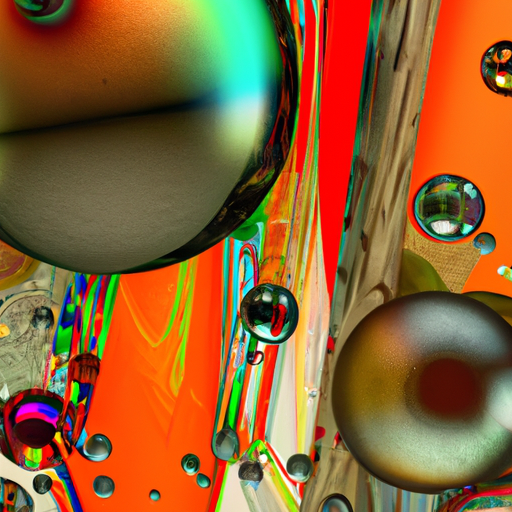
Example of visual style of On Line System Nls

On Line System Nls

On Line System Nls is a visual style that emerged in the 1960s and gained popularity in the following decades. It is characterized by its use of computer-generated imagery and digital aesthetics. The style found its fame through its innovative approach to art and design, incorporating technology and programming to create visually striking and interactive pieces. On Line System Nls showcases the collaboration between art and technology, reflecting the advancements of its time.

View StyleExplore Style

Example of visual style of Phil Tippett

Phil Tippett

Phil Tippett is a visual effects artist and filmmaker known for his groundbreaking work in stop-motion animation and creature design. His style became famous in the 1980s and 1990s when he created iconic creatures and visual effects for films like Star Wars: Return of the Jedi, Jurassic Park, and RoboCop. Tippett's unique style combines practical effects with computer-generated imagery, bringing life to fantastical creatures and enhancing the visual storytelling in these films.

View StyleExplore Style
Example of visual style of Robert Zemeckis

Robert Zemeckis

Robert Zemeckis is known for his innovative visual style in filmmaking, particularly in the use of advanced special effects and technology. His style is characterized by seamless integration of live-action footage with computer-generated imagery, pushing the boundaries of visual storytelling. Zemeckis rose to fame in the 1980s and 1990s through films like 'Back to the Future' (1985) and 'Forrest Gump' (1994), which showcased groundbreaking visual techniques and won multiple Academy Awards. His style became famous for its ability to transport audiences into fantastical worlds and blend reality with fantasy.

View StyleExplore Style
Example of visual style of Visual Effects

Visual Effects

Visual Effects is a style that involves the integration of computer-generated imagery (CGI) with live-action footage to create realistic or fantastical visual elements. It gained prominence in the late 20th century with the advancement of digital technology and has since become a staple in the film industry. Famous for its ability to bring unimaginable worlds and creatures to life, Visual Effects have revolutionized storytelling and allowed filmmakers to push the boundaries of imagination. Important years for Visual Effects include the 1990s with the groundbreaking films Jurassic Park and Titanic, which set new standards for the use of CGI in movies.

View StyleExplore Style
Home