StylopediaStylopedia

Computer-generated art styles on Stylopedia

A visual encyclopedia of computer-generated art styles – use as prompt inspiration for Midjourney, Gemini, or ChatGPT AI when making computer-generated art images

Example of visual style of Frieder Nake

Frieder Nake

Frieder Nake is a pioneer in the field of computer-generated art and a prominent figure in the digital art movement. His style, which emerged in the 1960s and continues to evolve today, is characterized by the use of algorithms and mathematical rules as a basis for creating visual compositions. Nake's groundbreaking work in computer art and algorithmic aesthetics, combined with his exploration of the intersection between art and technology, has made him famous for pushing the boundaries of traditional artistic practices.

View StyleExplore Style
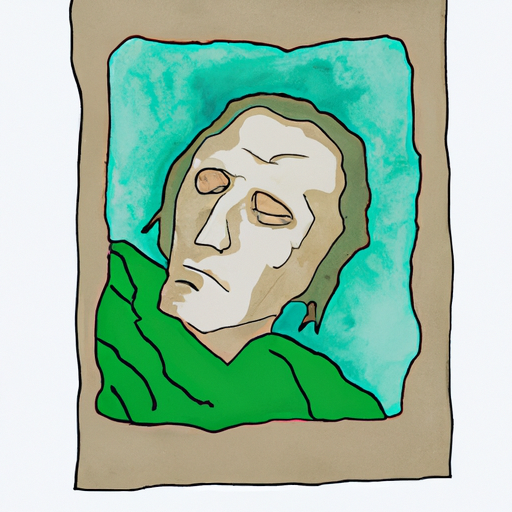
Example of visual style of Georg Nees

Georg Nees

Georg Nees was a German artist and mathematician who is considered one of the pioneers of computer-generated art. He is best known for his works created during the 1960s and 1970s, which earned him fame as a leading figure in the field of algorithmic art. Nees's art was characterized by a minimalist aesthetic, precision, and the use of simple geometric shapes. He explored the potential of computers to create art and developed various algorithms and computer programs to generate unique visual compositions. Nees's work became famous for its innovative approach to art-making and its integration of mathematics and technology.

View StyleExplore Style
Example of visual style of Manfred Mohr

Manfred Mohr

Manfred Mohr is a pioneer in the field of computer-generated art. He began exploring algorithmic composition in the 1960s, making him one of the first artists to utilize computers as creative tools. Mohr's work in the 1970s and 1980s gained him international recognition for his use of geometric shapes and precise mathematical calculations. His abstract pieces, created through programming languages and algorithms, offered a new perspective on the role of technology in art. Mohr's style is characterized by the precision and mathematical complexity of his compositions, resulting in visually compelling and intricate digital artworks.

View StyleExplore Style
Example of visual style of Vera Molnar

Vera Molnar

Vera Molnar is a Hungarian-French artist known for her pioneering work in computer-generated art. She began experimenting with computer programming in the late 1960s, creating algorithmic paintings that embraced the geometric and abstract nature of the digital realm. Molnar's artwork from this period, especially during the 1970s, played a significant role in establishing computer-generated art as a legitimate artistic medium. Her intricate compositions, often composed of simple shapes and vibrant colors, highlight her fascination with the mathematical and systematic aspects of art. Molnar's works continue to be celebrated for their technical precision, innovative use of technology, and exploration of the relationship between art and mathematics.

View StyleExplore Style
Home