
StylopediaStylopedia

Complexity styles on Stylopedia

A visual encyclopedia of complexity styles – use as prompt inspiration for Midjourney, Gemini, or ChatGPT AI when making complexity images

Example of visual style of Ang Lee

Ang Lee

Ang Lee's visual style can be described as a blend of realism and artistry. His films often feature stunning cinematography, meticulous attention to detail, and a deep exploration of human emotions. Lee became famous for his groundbreaking work in films such as 'Crouching Tiger, Hidden Dragon' (2000), which popularized the wuxia genre internationally, and 'Brokeback Mountain' (2005), which portrayed a sensitive and nuanced portrayal of a same-sex relationship. With a focus on character-driven narratives, Lee's visual style captures the beauty and complexity of human experiences.

View StyleExplore Style

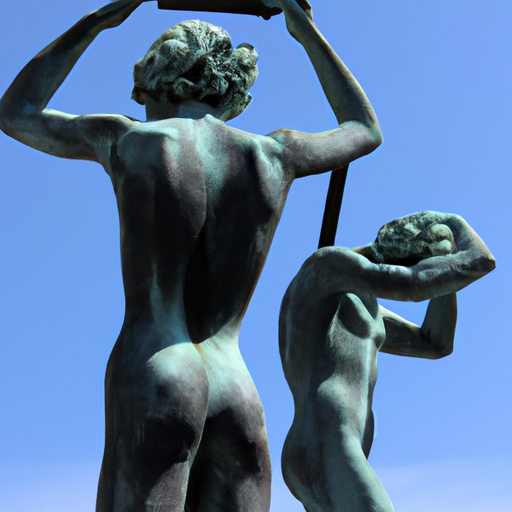
Example of visual style of Gustav Vigeland

Gustav Vigeland

Gustav Vigeland was a Norwegian sculptor who is famous for his powerful and expressive sculptures. He is best known for his work on the Vigeland Sculpture Park in Oslo, which features over 200 sculptures made between 1924 and 1943. Vigeland's style can be characterized as realistic and highly detailed, with a focus on human figures and emotions. His sculptures often depict the human form in various poses, capturing the complexity and beauty of the human experience. The Vigeland Sculpture Park is a major tourist attraction and has made Vigeland internationally renowned.

View StyleExplore Style
Example of visual style of John Sloan

John Sloan

John Sloan was an American painter and etcher associated with the Ashcan School. He worked in New York City during the early 20th century and is known for his realistic depictions of urban life. Sloan's style can be characterized as gritty, depicting the everyday struggles and joys of working-class life in the city. His works often reflect the bustling streets, crowded tenements, and vibrant atmosphere of New York in the early 1900s. Sloan was particularly famous for his ability to capture the diversity and complexity of the city, showcasing the daily routines and interactions of its inhabitants from different backgrounds. His works often featured strong composition, bold brushstrokes, and an attention to detail. Sloan's style became a significant influence on American art, particularly in the early years of the 20th century.

View StyleExplore Style
Example of visual style of Mannerism

Mannerism

Mannerism is a style of art that emerged in the late 1520s and lasted until the end of the 16th century. It is characterized by exaggerated and elongated figures, complex compositions, distorted perspectives, and a sense of artificiality. Mannerism gained fame for its departure from the harmony and balance of the Renaissance, instead embracing complexity and ambiguity. It emphasized the individual artist's creativity and self-expression, often resulting in exaggerated poses and unnatural colors.

View StyleExplore Style
Home