StylopediaStylopedia

Complex styles on Stylopedia

A visual encyclopedia of complex styles – use as prompt inspiration for Midjourney, Gemini, or ChatGPT AI when making complex images

Example of visual style of Claude Chabrol

Claude Chabrol

Claude Chabrol's visual style is characterized by its naturalistic and observational approach to storytelling. He is often associated with the French New Wave movement of the late 1950s and 1960s. Chabrol gained recognition for his intense psychological dramas and his ability to depict the complexities of human relationships. His films often revolve around themes of betrayal, class conflict, and the dark underbelly of bourgeoisie society. Chabrol's work is known for its atmospheric visuals, intricate plots, and meticulous attention to detail.

View StyleExplore Style
Example of visual style of Erwin Olaf

Erwin Olaf

Erwin Olaf is a Dutch photographer known for his provocative and highly staged portraits. His work is characterized by a strong cinematic style and a meticulous attention to detail. He gained recognition in the 1990s for his series "Squares" and "Chessmen", which showcased his unique blend of classical and contemporary elements. Olaf's bold use of color, complex compositions, and often unsettling subject matter have made him a well-known figure in the world of contemporary photography.

View StyleExplore Style
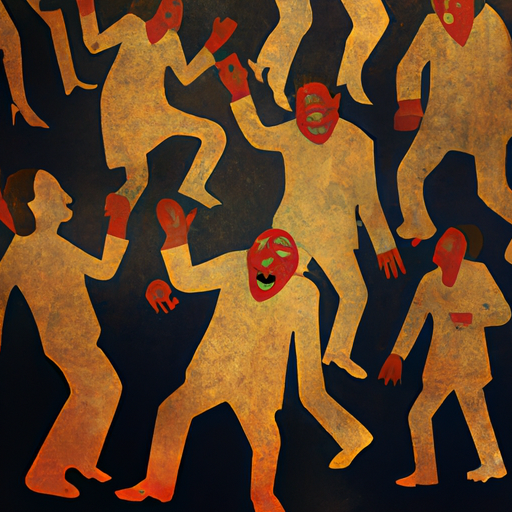
Example of visual style of Kara Walker

Kara Walker

Kara Walker is an American artist known for her black silhouette installations and cut-paper works. She emerged in the mid-1990s with her signature style that explores themes of race, gender, and power dynamics. Walker's work became famous for its provocative and complex narratives, often depicting scenes from the antebellum South and addressing the legacy of slavery. Her unique visual style combines intricate paper cutouts and large-scale wall murals, creating shadowy and evocative imagery.

View StyleExplore Style
Example of visual style of Progressive Rock

Progressive Rock

Progressive Rock emerged in the late 1960s and reached its peak popularity in the 1970s. It is characterized by its complex musical structures and diverse instrumentation, often blending elements of classical, jazz, and folk music. Known for its lengthy compositions and virtuosic performances, Progressive Rock bands like Pink Floyd, Yes, and Genesis pushed the boundaries of rock music by incorporating intricate time signatures, extended instrumental sections, and thought-provoking lyrics. The genre gained fame for its concept albums that often featured themes of fantasy, science fiction, and social commentary.

View StyleExplore Style
Example of visual style of Tetsuya Nomura

Tetsuya Nomura

Tetsuya Nomura is a Japanese video game artist and designer known for his distinctive visual style characterized by complex and intricate character designs, exaggerated proportions, and a fusion of elements from different genres. He gained recognition for his work on the popular video game series, Final Fantasy, starting with the release of Final Fantasy VII in 1997. Nomura's unique art style featuring intricate costumes, belts, zippers, and spikey hair became synonymous with the series and made a significant impact on the gaming industry.

View StyleExplore Style
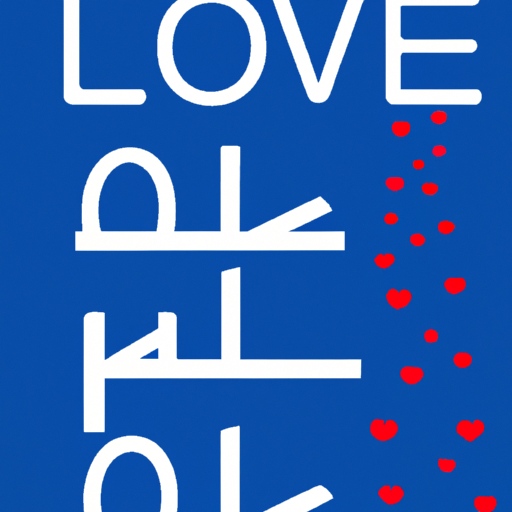
Example of visual style of The Mars Volta

The Mars Volta

The visual style of The Mars Volta is characterized by psychedelic and surrealist imagery combined with bold and vibrant colors. Emerging in the early 2000s, this style became famous for its complex and intricately detailed illustrations that often depicted otherworldly landscapes and bizarre creatures. It gained popularity through the album artwork and poster designs created by artist Storm Thorgerson, known for his collaborations with progressive rock bands. The style evolved alongside the band's music, creating a visually immersive experience.

View StyleExplore Style
Example of visual style of The Sopranos

The Sopranos

The visual style of 'The Sopranos' can be described as gritty and realistic. It became famous in the late 1990s and early 2000s, during the show's original run from 1999 to 2007. The style is characterized by its portrayal of the New Jersey mafia and its focus on the dark and complex lives of the characters. The visual style often involves dimly lit scenes, a mix of handheld and static camera shots, and a color palette that reflects the grittiness of the mob world.

View StyleExplore Style
Home