StylopediaStylopedia

Comics styles on Stylopedia

A visual encyclopedia of comics styles – use as prompt inspiration for Midjourney, Gemini, or ChatGPT AI when making comics images

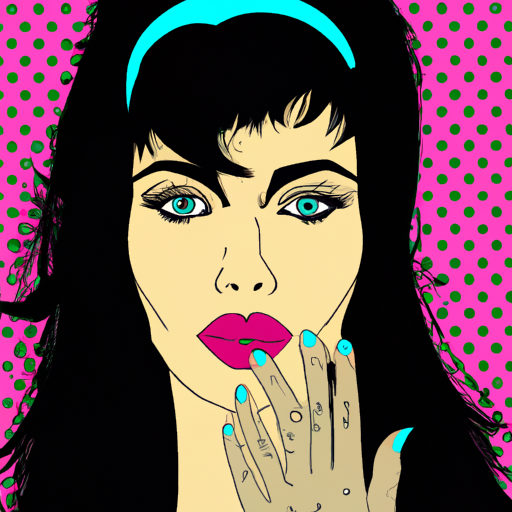
Example of visual style of American Splendor

American Splendor

American Splendor is a visual style that emerged in the late 1970s and gained popularity in the 1980s. It is characterized by a raw, unpolished aesthetic and a focus on depicting the grit and realism of everyday life. This style became famous for its innovative combination of comics and real-life narrative, blurring the line between fiction and reality. American Splendor's emphasis on authenticity and its portrayal of the mundane aspects of American life made it resonate with a wide audience.

View StyleExplore Style
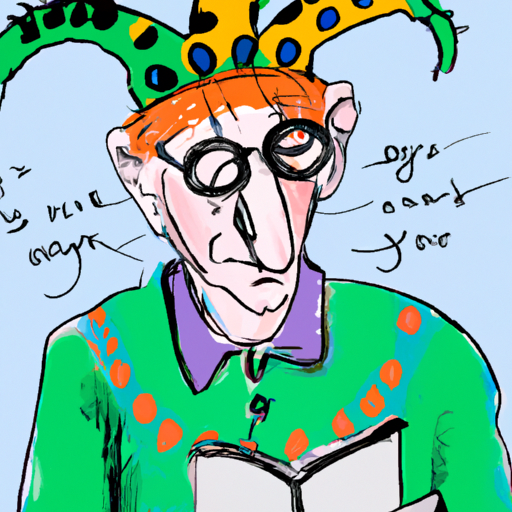
Example of visual style of Art Spiegelman

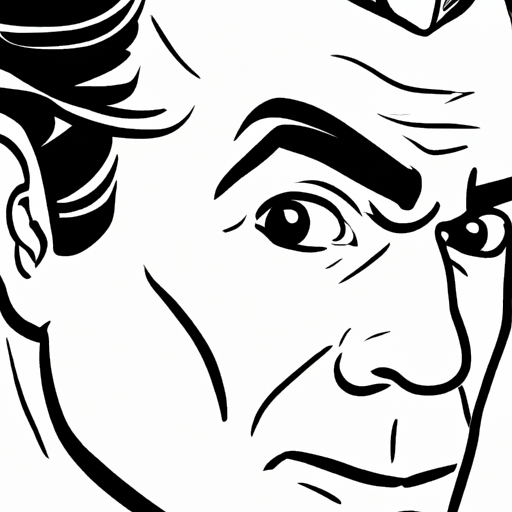
Art Spiegelman

Art Spiegelman is a comic artist known for his unique visual style that combines elements of graphic art and storytelling. His most famous work is the graphic novel series 'Maus', published in 1986. 'Maus' tells the story of Spiegelman's father's experiences as a Holocaust survivor, using anthropomorphic animal characters to represent different nationalities. Spiegelman's use of the comic medium to explore serious and historical subjects, along with his distinctive black and white artwork, revolutionized the medium and earned him critical acclaim.

View StyleExplore Style
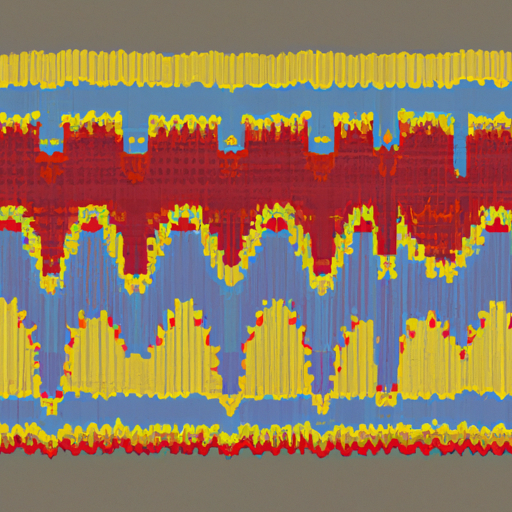
Example of visual style of The Fabulous Furry Freak Brothers

The Fabulous Furry Freak Brothers

The Fabulous Furry Freak Brothers is a visual style that originated in the late 1960s and gained popularity in the counterculture movement of the 1970s. Known for its psychedelic and cartoonish elements, this style is characterized by vibrant colors, intricate patterns, exaggerated proportions, and surreal imagery. The Fabulous Furry Freak Brothers comics, created by Gilbert Shelton, became famous for their satirical take on the hippie culture, cannabis use, and the socio-political climate of the time.

View StyleExplore Style
Home