StylopediaStylopedia

Comic books styles on Stylopedia

A visual encyclopedia of comic books styles – use as prompt inspiration for Midjourney, Gemini, or ChatGPT AI when making comic books images

Example of visual style of Comic Artists

Comic Artists

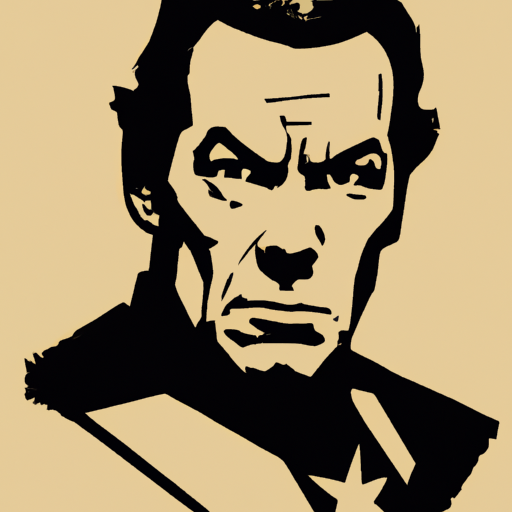
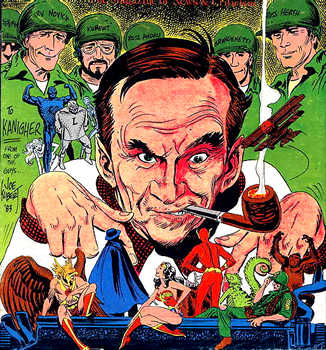
Comic Artists is a visual style that originated in the early 20th century and gained popularity in the mid-20th century. It is characterized by its use of bold lines, vibrant colors, exaggerated proportions, and the incorporation of speech bubbles and onomatopoeic words. This style became famous through the rise of comic books and graphic novels, which became an integral part of pop culture. Comic Artists revolutionized storytelling by combining visual elements with textual narratives to create an immersive experience for readers. Notable years for this style include the Golden Age of Comics in the 1930s and 1940s, as well as the emergence of underground comix in the 1960s and 1970s.

View StyleExplore Style

Example of visual style of Comic Book Art

Comic Book Art

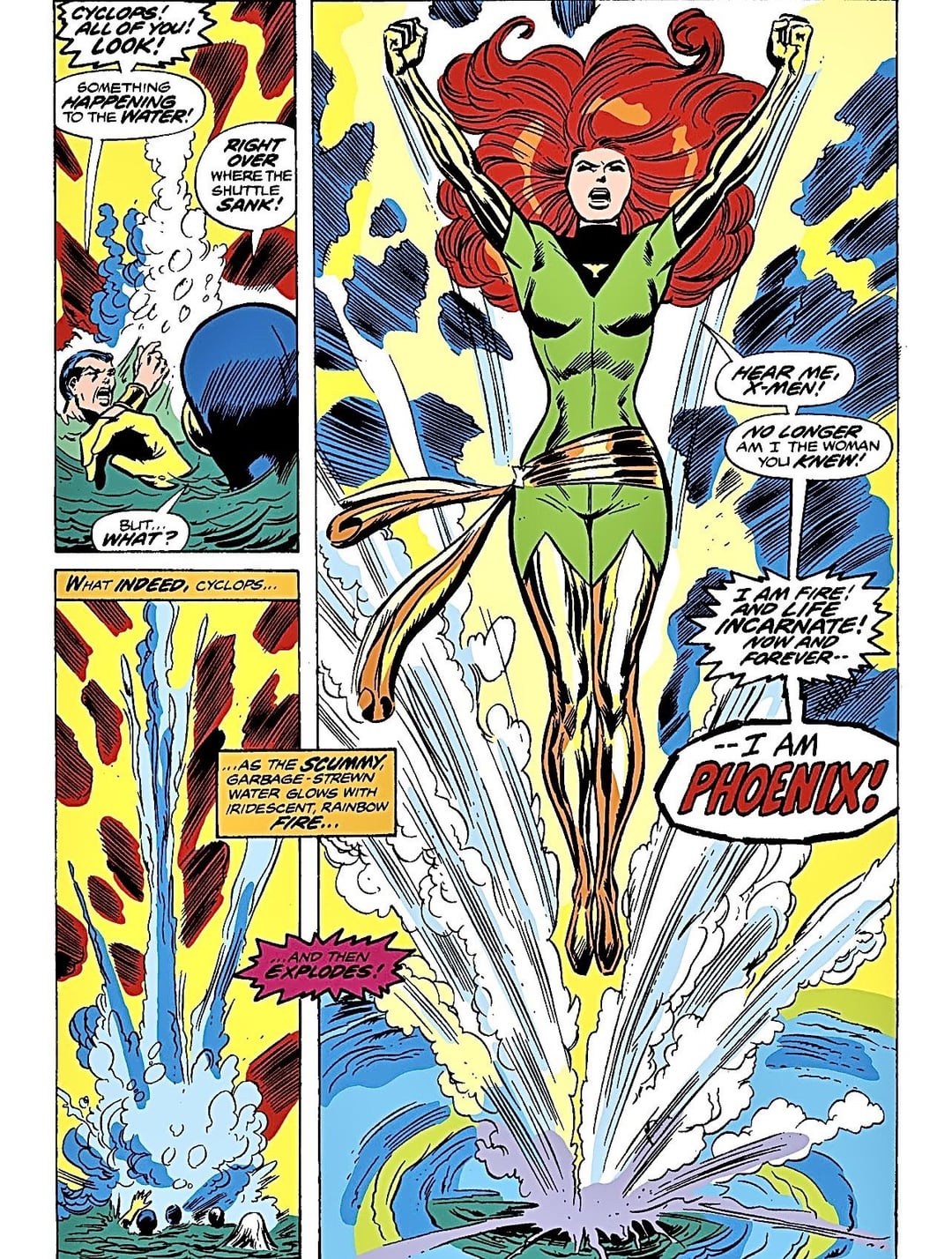
Comic Book Art is a style of visual storytelling that originated in the early 20th century and became famous through the publication of superhero comic books. It is characterized by its vibrant and bold colors, dynamic shapes, exaggerated proportions, and dramatic action scenes. This style gained popularity in the 1930s with the advent of iconic superheroes like Superman and Batman, and further rose to prominence in the 1960s with the emergence of Marvel Comics and its legendary artists such as Jack Kirby and Steve Ditko.

View StyleExplore Style

Example of visual style of Comic Book Style

Comic Book Style

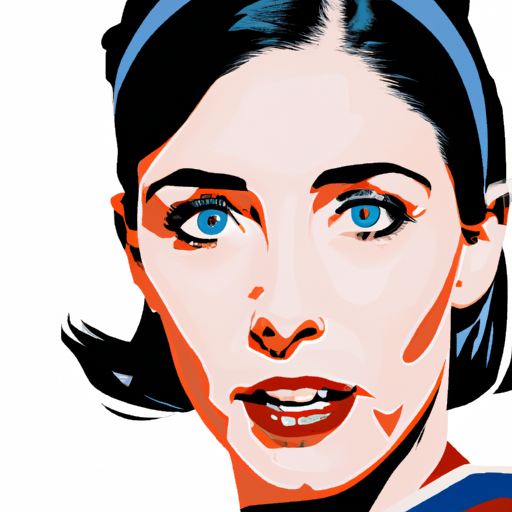
Comic Book Style is a visual style inspired by comic books, which gained popularity in the mid-20th century and continues to influence modern design. It is characterized by bold, vibrant colors, strong outlines, exaggerated perspectives, and dynamic action poses. This style became famous with the emergence of superheroes and the publication of iconic comic books such as 'Action Comics #1' featuring Superman in 1938, and 'Fantastic Four #1' by Marvel in 1961. Artists like Jack Kirby, Stan Lee, and Will Eisner contributed to the fame of this style through their groundbreaking work in the comic book industry.

View StyleExplore Style
Example of visual style of Comics

Comics

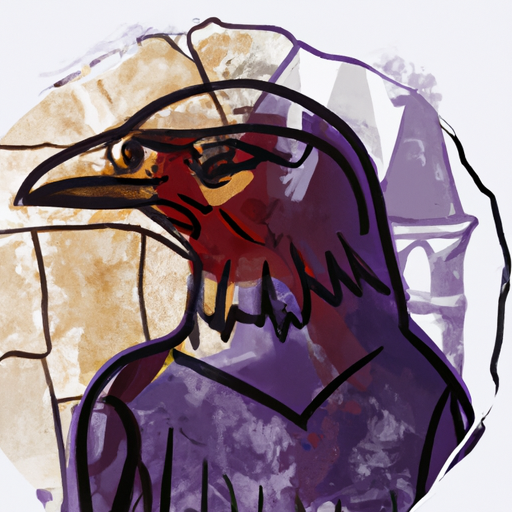
Comics style refers to the visual representation commonly found in comic books and graphic novels. This style became popular in the early 20th century and gained significant recognition during the Golden Age of Comics from the 1930s to the 1950s. It is characterized by bold and exaggerated linework, vibrant colors, and the use of dialogue bubbles to depict text. Comics style is famous for its ability to convey dynamic storytelling, often featuring larger-than-life characters and action-packed scenes.

View StyleExplore Style
Example of visual style of Golden Age Of Comics

Golden Age Of Comics

The Golden Age of Comics refers to the period from the late 1930s to the early 1950s, known for the emergence and popularity of comic books. It was during this time that iconic superhero characters like Superman, Batman, and Wonder Woman were created, laying the foundation for the superhero genre. The visual style of Golden Age comics was characterized by bold, vibrant colors, dynamic poses, exaggerated musculature, and strong lines. The artwork often had a sense of energy and excitement, with action-packed panels and larger-than-life characters.

View StyleExplore Style
Example of visual style of Lowbrow Art

Lowbrow Art

Lowbrow Art, also known as Pop Surrealism, emerged in the 1970s and gained popularity in the 1990s. It is characterized by its unconventional subject matters, often drawing inspiration from comic books, graffiti, underground music, and alternative subcultures. Lowbrow Art challenges mainstream art conventions and embraces a playful and irreverent aesthetic. This style became famous for its fusion of pop culture elements with fine art techniques, resulting in visually captivating and thought-provoking artworks that appeal to a wide audience.

View StyleExplore Style
Example of visual style of Superhero

Superhero

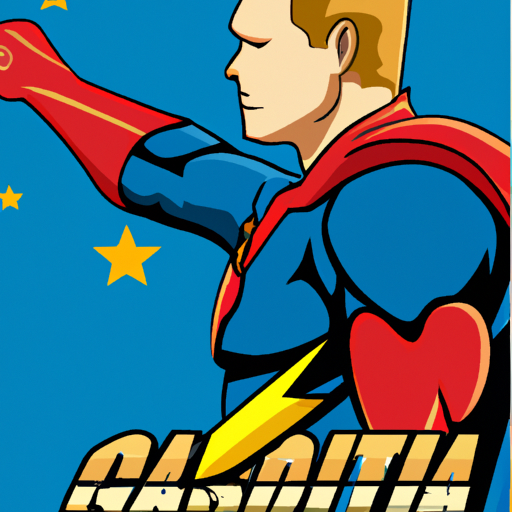
Superhero is a visual style associated with comic books and superhero characters. It gained popularity in the mid-20th century, particularly in the 1930s to 1950s. This style is characterized by bold, vibrant colors, exaggerated anatomical proportions, dynamic action poses, and visually compelling composition. Superhero comic books became famous for their iconic characters like Superman, Batman, and Spider-Man, as well as their epic storylines and battles between good and evil.

View StyleExplore Style
Home