StylopediaStylopedia

Comic book styles on Stylopedia

A visual encyclopedia of comic book styles – use as prompt inspiration for Midjourney, Gemini, or ChatGPT AI when making comic book images

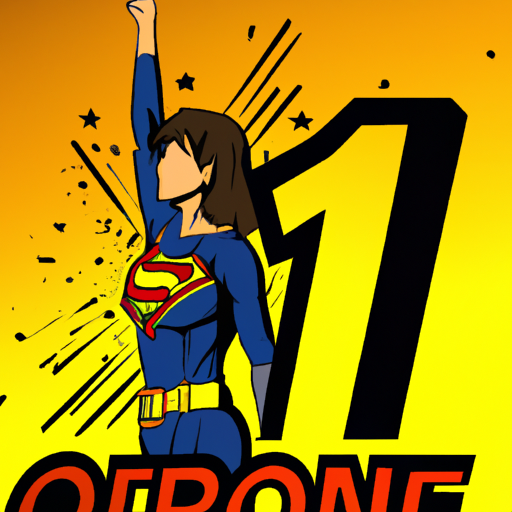
Example of visual style of Action Comics

Action Comics

Action Comics is a visual style that originated in the late 1930s and became famous through its portrayal of superhero stories. It is synonymous with the superhero genre and is known for its vibrant colors, dynamic illustrations, and emphasis on action-packed scenes. Action Comics gained prominence with the introduction of the iconic comic book character Superman in Action Comics #1 in 1938. This visual style revolutionized the comic book industry and set the foundation for modern superhero storytelling.

View StyleExplore Style

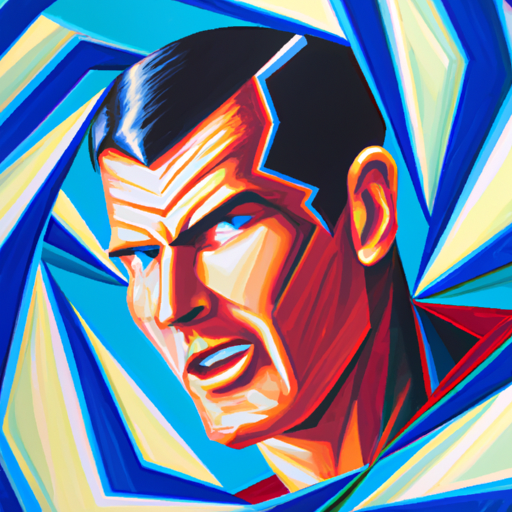
Example of visual style of Asterix Series

Asterix Series

The Asterix series is a visually distinct comic book style popularized by French authors Albert Uderzo and René Goscinny. The style originated in the year 1959 with the release of the first Asterix comic, Asterix the Gaul. The series gained fame for its vibrant and detailed illustrations, dynamic action sequences, and humorous storytelling. The unique visual style of Asterix incorporates exaggerated characters with large noses and expressive facial features. The comics also feature intricate backgrounds and detailed depictions of historical settings, which blend humor and satire. Overall, the Asterix series is known for its lively and colorful visuals, making it a timeless classic in the world of comics.

View StyleExplore Style
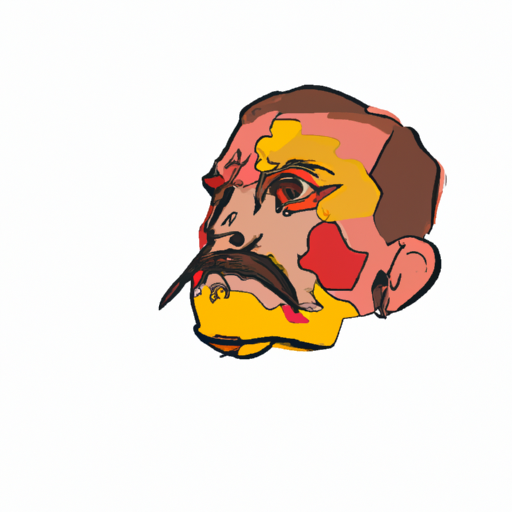
Example of visual style of Comic Book Noir

Comic Book Noir

Comic Book Noir is a visual style that combines elements of film noir and comic book aesthetics. It emerged in the 1980s and became famous through works like Frank Miller's 'Sin City' series. This style is characterized by high contrast black and white imagery, dramatic lighting, bold lines, and heavy use of shadows. It often features morally ambiguous characters, gritty urban settings, and a sense of mystery and crime. Comic Book Noir captures the dark, atmospheric mood of film noir and translates it into the graphic storytelling of comic books.

View StyleExplore Style
Example of visual style of Comic Strip Art

Comic Strip Art

Comic Strip Art is a visual style characterized by bold, vibrant colors, exaggerated proportions, and clear black outlines reminiscent of traditional comic book illustrations. This style gained popularity during the early 20th century and became a prominent form of visual storytelling in newspapers and magazines. The use of speech bubbles, panel layouts, and narrative captions made comic strips an accessible and engaging medium for conveying narratives and humor. Famous comic strip artists such as Winsor McCay, Charles M. Schulz, and Bill Watterson helped popularize this style and have left a lasting impact on the world of cartooning and illustration.

View StyleExplore Style
Example of visual style of David Mazzucchelli

David Mazzucchelli

David Mazzucchelli is a comic book artist known for his unique and influential visual style. Active since the 1980s, Mazzucchelli gained fame for his collaborations with writer Frank Miller on groundbreaking comics like 'Batman: Year One' (1987) and 'Daredevil: Born Again' (1986-1987). His style is characterized by detailed and expressive linework, dynamic panel layouts, and a strong focus on storytelling. Mazzucchelli's work is highly regarded for its cinematic quality and ability to convey emotion through visuals. He is known for his masterful use of black and white, as well as his skill in capturing realistic human anatomy and facial expressions.

View StyleExplore Style
Example of visual style of Georges Remi

Georges Remi

Georges Remi, better known by his pen name Hergé, was a Belgian cartoonist. He is best known for creating the iconic comic book series 'The Adventures of Tintin'. Hergé's visual style, also known as 'ligne claire' (clear line), revolutionized the world of comics in the mid-20th century. His style was characterized by clean and precise lines, simplified forms, and a strong emphasis on clarity and detail. Hergé's work became famous for its unique blend of adventure, humor, and social commentary, influencing generations of comic artists.

View StyleExplore Style
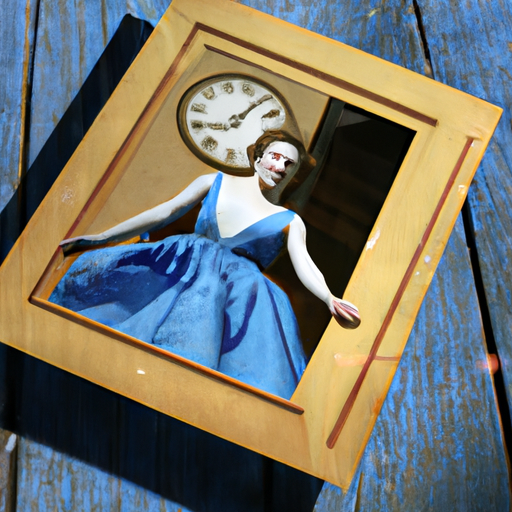
Example of visual style of Hernandez Brothers

Hernandez Brothers

Hernandez Brothers is a visual style in comic book illustration that emerged in the 1980s and gained fame through their influential work in the alternative comics scene. Created by the three brothers, Gilbert, Jaime, and Mario, this style is characterized by its distinctive black and white linework, exaggerated figure proportions, and intricate cross-hatching. The Hernandez Brothers are known for their long-running series 'Love and Rockets', which blends elements of science fiction, slice-of-life storytelling, and magical realism. Their groundbreaking work has influenced a generation of comic book artists and has been celebrated for its strong female characters, intricate narratives, and exploration of diverse cultural themes.

View StyleExplore Style
Example of visual style of Jack Kirby

Jack Kirby

Jack Kirby was a comic book artist whose style became iconic in the mid-20th century. He is best known for co-creating many of the Marvel Comics characters and for his dynamic, larger-than-life illustrations. Kirby's work in the 1960s, often referred to as the 'Marvel style', revolutionized the comic book industry with its bold and energetic visuals, intricate detail, and exaggerated anatomy. His use of dynamic angles, powerful compositions, and explosive action made his work instantly recognizable and influential.

View StyleExplore Style
Example of visual style of Jaime Hernandez

Jaime Hernandez

Jaime Hernandez is a comic book artist known for his distinct visual style characterized by clean lines, vibrant colors, and intricate details. He rose to fame in the 1980s as one of the creators of the comic series Love and Rockets, which combined elements of punk rock, slice-of-life storytelling, and magical realism. Hernandez's style became famous for its authentic portrayal of diverse characters, often focusing on the lives of Latinx women, and the complex relationships and emotions they navigate. His work has had a significant impact on the alternative comics scene.

View StyleExplore Style
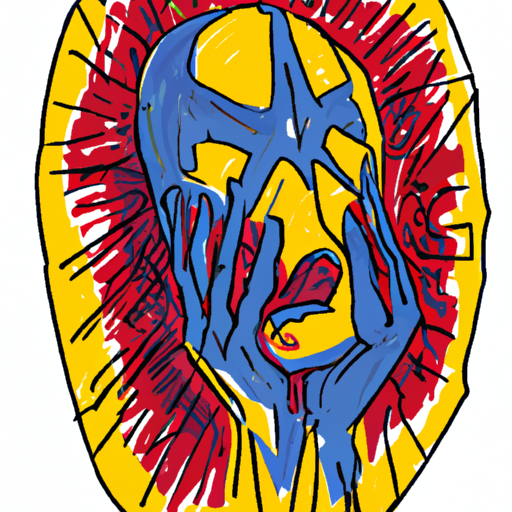
Example of visual style of John Romita Sr

John Romita Sr

John Romita Sr is a comic book artist known for his work in the 1960s and 1970s. He was famous for his tenure on Marvel Comics' The Amazing Spider-Man, where he helped define the visual style of the character. Romita Sr's style is characterized by clean and dynamic linework, expressive character faces, and a strong sense of storytelling. He is often credited with making Spider-Man more athletic and muscular, and his work on the character greatly influenced future artists.

View StyleExplore Style
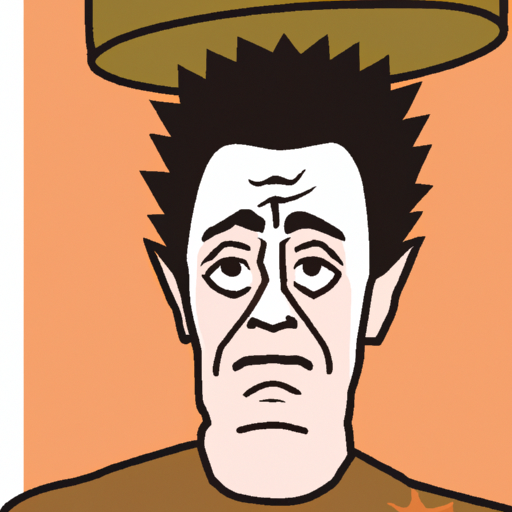
Example of visual style of Manga Art

Manga Art

Manga Art is a style of Japanese comic book and graphic novel illustration that originated in the early 20th century. It gained popularity in the 1950s and 1960s with the works of influential artists like Osamu Tezuka and Shotaro Ishinomori. Manga Art is characterized by its distinctive exaggerated features, emotive expressions, and dynamic action sequences. It is known for its expressive characters and intricate storylines, which often blend elements of fantasy, science fiction, and everyday life.

View StyleExplore Style
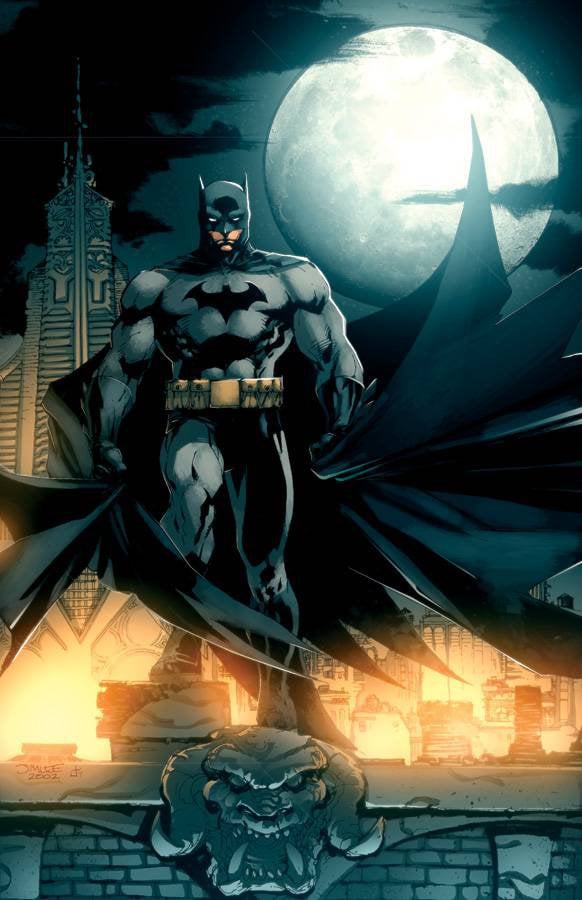
Example of visual style of Manga Artists

Manga Artists

Manga Artists is a visual style that originates from Japan and is characterized by its unique comic book-like illustrations. It became popular in the late 20th century and continues to be influential today. Manga Artists gained fame through the publication of popular manga series such as Dragon Ball, One Piece, and Naruto which introduced dynamic characters, exaggerated expressions, and intricate storytelling. This style often features large, expressive eyes, vibrant colors, and stylized hair and costumes.

View StyleExplore Style

Example of visual style of Rene Goscinny

Rene Goscinny

Rene Goscinny is a French comic book creator and writer who became famous for his collaboration with illustrator Albert Uderzo on the famous Asterix series. Goscinny's visual style is characterized by detailed and lively illustrations, vibrant colors, and exaggerated expressions. His style gained popularity in the 1960s and 1970s, and he is renowned for his humor, wit, and ability to create captivating storylines. Goscinny's work revolutionized the comic book industry and set new standards for storytelling in the medium.

View StyleExplore Style
Example of visual style of Robert Kirkman

Robert Kirkman

Robert Kirkman is not a visual style, but rather a renowned comic book writer and creator. He is best known for his work in the horror genre, particularly for his long-running series 'The Walking Dead'. Kirkman's style is characterized by its gritty and realistic storytelling, focusing on human drama in apocalyptic and supernatural settings. His ability to craft compelling narratives and create complex, relatable characters has made him a prominent figure in the comic book industry.

View StyleExplore Style
Example of visual style of Stan Lee

Stan Lee

Stan Lee is not a visual style, but rather the name of a legendary comic book writer and editor who co-created numerous iconic superhero characters. He is best known for his work during the 1960s, which revolutionized the comic book industry and laid the foundation for the Marvel Universe. Lee's innovative storytelling, complex characters, and witty dialogue made him a household name and his creations, such as Spider-Man, Iron Man, and the X-Men, have become cultural phenomena.

View StyleExplore Style

Example of visual style of Steve Ditko

Steve Ditko

Steve Ditko is a comic book artist and writer who is best known for his unique and iconic visual style that emerged in the 1960s. His style is characterized by intricate linework, bold use of shadows, and dynamic posing of characters. Ditko gained fame for co-creating the superhero Spider-Man with writer Stan Lee in 1962, and his style became synonymous with the character. He also co-created other iconic characters like Doctor Strange and The Question. Ditko's style captured the imagination of readers and influenced a generation of comic book artists.

View StyleExplore Style
Example of visual style of Wonder Woman

Wonder Woman

Wonder Woman is a visual style that became famous in 2017 with the release of the film of the same name. It is known for its vibrant color palette, bold and powerful imagery, and a mix of fantasy and superhero elements. The style combines elements of Greek mythology, warrior culture, and comic book aesthetics to create a visually stunning and empowering world for the character. With strong female representation and a message of female empowerment, Wonder Woman has become an iconic and influential visual style in contemporary popular culture.

View StyleExplore Style
Example of visual style of Wonder Woman Film

Wonder Woman Film

The Wonder Woman film style is a visually stunning combination of epic action and vibrant aesthetics. Released in 2017, the film beautifully portrays the Amazonian warrior in her iconic red, blue, and gold costume. The cinematography showcases breathtaking battle sequences and uses a vibrant color palette to reflect the energy and power of the heroine. This style gained fame for its empowering portrayal of a strong female protagonist and its homage to comic book aesthetics.

View StyleExplore Style
Home