StylopediaStylopedia

Comedy styles on Stylopedia

A visual encyclopedia of comedy styles – use as prompt inspiration for Midjourney, Gemini, or ChatGPT AI when making comedy images

Example of visual style of American Dad

American Dad

American Dad is an animated sitcom with a distinct visual style known for its bold, vibrant, and exaggerated aesthetic. It first aired in 2005 and gained popularity for its unique blend of absurdity, political satire, and irreverent humor. The show's visual style combines clean and sharp lines with bright colors, creating a visually striking and eye-catching look. The characters are often depicted with exaggerated features and caricatured designs, adding to the overall comedic tone. American Dad's visual style has become iconic and is easily recognizable among animated television shows.

View StyleExplore Style
Example of visual style of Blake Edwards

Blake Edwards

Blake Edwards is a visual style associated with the works of filmmaker Blake Edwards. This style emerged in the mid-20th century and became famous for its distinct blend of comedy, romance, and stylish aesthetics. Edwards was known for his use of vibrant colors, intricate set designs, and dynamic camera movements. His films often featured a combination of slapstick humor, clever dialogue, and visual gags. Some of his most iconic works include 'Breakfast at Tiffany's' (1961), 'The Pink Panther' series (1963-1993), and 'Victor/Victoria' (1982). The style became famous for its ability to captivate audiences with its visually appealing and entertaining storytelling.

View StyleExplore Style
Example of visual style of Discworld

Discworld

Discworld is a visual style inspired by the fantasy book series of the same name written by Terry Pratchett. It became famous in the late 1980s and has since gained a massive following. The style captures a unique blend of whimsical fantasy, satirical comedy, and intricate world-building. It is characterized by vibrant and detailed illustrations depicting the fantastical landscapes, diverse and quirky characters, and the humorous and often satirical elements present throughout the Discworld series.

View StyleExplore Style

Example of visual style of Edgar Wright

Edgar Wright

Edgar Wright is a British director known for his distinct visual style, characterized by fast-paced editing, creative camera work, and a combination of humor and action. His films, such as 'Shaun of the Dead' (2004), 'Hot Fuzz' (2007) and 'Baby Driver' (2017), have gained a cult following and critical acclaim. Wright's style often involves clever visual storytelling techniques, including visual gags, quick cuts, and inventive use of music. His distinctive blend of comedy, genre tropes, and stylized visuals has made him famous among film enthusiasts.

View StyleExplore Style
Example of visual style of Ghostbusters

Ghostbusters

The visual style of Ghostbusters emerged in the 1980s and gained popularity through its unique blend of supernatural elements and comedy. This style became famous due to its iconic imagery and memorable characters, such as the Ghostbusters logo, the Ectomobile, and the proton packs. With its vibrant color palette, retro aesthetics, and a mix of horror and humor, Ghostbusters established a distinct visual identity that continues to be recognized and referenced today.

View StyleExplore Style
Example of visual style of Harold Ramis

Harold Ramis

Harold Ramis is known for his visual style in comedy films during the 1980s and 1990s. His works, such as Ghostbusters (1984) and Groundhog Day (1993), are famous for their humorous and whimsical tone. Ramis incorporated a mix of slapstick, visual gags, and witty dialogue to create a unique comedic style. His films often featured eccentric characters, clever storytelling, and a balance between absurdity and heartwarming moments. This style became influential and widely recognized in the comedy genre.

View StyleExplore Style
Example of visual style of Looney Tunes

Looney Tunes

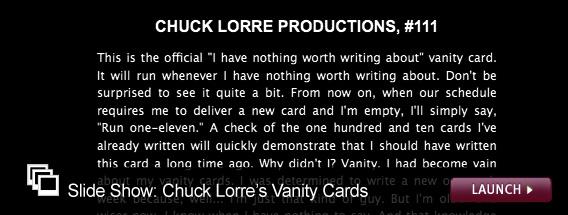
Looney Tunes is a visual style that originated in the 1930s and gained immense popularity during the mid-20th century. It is renowned for its comedic and slapstick animation, colorful and exaggerated characters, and fast-paced storytelling. Looney Tunes became famous for its iconic roster of characters, including Bugs Bunny, Daffy Duck, Porky Pig, and Tweety Bird, among others. The style is characterized by its rapid movements, exaggerated facial expressions, and over-the-top physical humor. Looney Tunes is primarily associated with animated short films, which were widely acclaimed for their wit, charm, and timeless entertainment value.

View StyleExplore Style
Example of visual style of Lucille Ball

Lucille Ball

The Lucille Ball visual style evolved in the mid-20th century and is closely associated with the iconic American actress and comedian Lucille Ball. This style gained popularity during the 1950s and 1960s through Ball's influential television show 'I Love Lucy'. Known for her vibrant red hair, expressive facial expressions, and physical comedy, Lucille Ball's visual style depicted a mix of elegance, humor, and playfulness. Her bold and glamorous fashion choices, including colorful dresses and statement jewelry, became synonymous with her on-screen persona, making her a beloved cultural icon.

View StyleExplore Style

Example of visual style of Monty Python

Monty Python

Monty Python is a visually eccentric and surreal comedic style that emerged in the late 1960s and became famous through the comedic group Monty Python, including its members Graham Chapman, John Cleese, Terry Gilliam, Eric Idle, Terry Jones, and Michael Palin. The visual style is characterized by its unique blend of absurdity, satire, and animation, often featuring bizarre costumes, exaggerated physical movements and expressions, hand-drawn animations, and surreal art direction. This style gained significant fame through the television series 'Monty Python's Flying Circus' (1969-1974) and later through their films like 'Monty Python and the Holy Grail' (1975) and 'Monty Python's Life of Brian' (1979).

View StyleExplore Style
Example of visual style of Muppets

Muppets

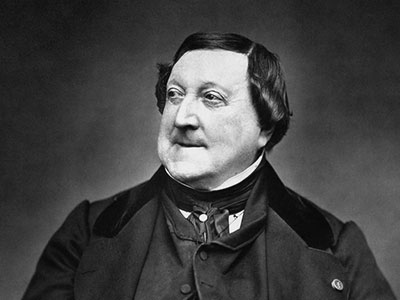
The Muppets visual style is characterized by a unique combination of puppetry, animation, and comedy. Created by Jim Henson, this style gained popularity in the late 1960s and has continued to captivate audiences to this day. The Muppets are known for their colorful and diverse cast of characters, including Kermit the Frog, Miss Piggy, and Fozzie Bear. With its witty humor, lively performances, and clever storytelling, the Muppets style has become an icon of entertainment.

View StyleExplore Style
Example of visual style of Roman Holiday

Roman Holiday

Roman Holiday is a classic romantic comedy film released in 1953. It showcases the enchanting visual style of 1950s Rome, known for its vibrant colors, timeless elegance, and picturesque locations. The film became famous for capturing the essence of an American princess in the Eternal City and highlighting the beauty of famous landmarks such as the Colosseum, Trevi Fountain, and Spanish Steps. Roman Holiday's visual style exudes a sense of charm, sophistication, and dreamlike romance, making it an enduring icon of the era.

View StyleExplore Style
Example of visual style of Rumiko Takahashi

Rumiko Takahashi

Rumiko Takahashi is a Japanese manga artist known for her distinctive visual style. Born in 1957, Takahashi rose to fame in the late 1970s with the release of her manga series 'Urusei Yatsura' and followed it up with acclaimed works like 'Maison Ikkoku', 'Ranma 1/2', and 'Inuyasha'. Her art style is characterized by detailed and expressive character designs, exaggerated facial expressions, and a perfect balance of comedic and dramatic elements. Takahashi's unique storytelling ability and relatable characters contributed to the popularity of her works, making her one of the most influential manga artists in history.

View StyleExplore Style
Example of visual style of Terry Pratchett

Terry Pratchett

The Terry Pratchett style is whimsical and fantastical, characterized by a blend of satire, comedy, and fantasy elements. It gained fame through its prominent use in the Discworld series, a set of over 40 novels written by Terry Pratchett from 1983 until his death in 2015. Pratchett's writing style, often described as 'comic fantasy', combined witty humor, clever wordplay, and social commentary. The visual style of Terry Pratchett's works reflects this unique blend, creating a vibrant and imaginative world filled with eccentric characters and humorous situations.

View StyleExplore Style
Example of visual style of The Munsters

The Munsters

The Munsters is a visual style that became famous in the 1960s. It is characterized by a mix of Gothic horror and slapstick comedy. The style is known for its macabre and Halloween-inspired aesthetics, featuring dark and eerie settings, spooky decorations, and characters with exaggerated features like pointed ears and sharp teeth. It gained popularity due to its unique blend of the horror genre with humor, as well as its satirical take on the typical American family sitcom.

View StyleExplore Style

Example of visual style of Woody Allen

Woody Allen

The Woody Allen visual style is characterized by its nostalgic and romanticized depiction of New York City, often set in a time period between the 1920s and 1970s. This style became famous through Woody Allen's extensive filmography, particularly during the 1970s and 1980s, where he wrote, directed, and even starred in many of his films. Allen's unique blend of comedy, neurotic characters, witty dialogue, and philosophical undertones have made him an iconic figure in the world of filmmaking.

View StyleExplore Style
Home