StylopediaStylopedia

Columns styles on Stylopedia

A visual encyclopedia of columns styles – use as prompt inspiration for Midjourney, Gemini, or ChatGPT AI when making columns images

Example of visual style of Antebellum Architecture

Antebellum Architecture

Antebellum Architecture refers to the architectural style that was prominent in the Southern United States during the pre-Civil War period, specifically from the late 18th century to the mid-19th century. This style is famous for its grandeur, elegance, and adherence to classical design principles. Inspired by Greek and Roman architecture, it featured symmetrical facades, tall columns, expansive porticoes, and elaborate ornamentation. The antebellum period and its architecture became famous for its association with the plantation economy and the romanticized image of the Old South.

View StyleExplore Style
Example of visual style of Beaux Arts Style

Beaux Arts Style

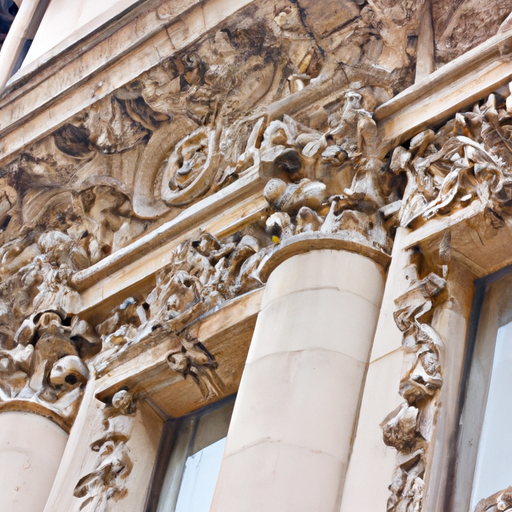
Beaux Arts Style, also known as Academic Art or French Renaissance Revival, was a prominent architectural and decorative arts style from the late 19th century to the early 20th century. It flourished between the years 1885 to 1920 and gained popularity in France and the United States. This style is characterized by its grandeur, classical references, and ornate detailing. Beaux Arts buildings often featured symmetrical facades, elaborate ornamentation, and a combination of different architectural elements like columns, pediments, and domes. The use of noble materials, such as marble, stone, and bronze, added to the luxurious appeal of this style. The Beaux Arts Style became famous through prominent architectural landmarks such as the Paris Opéra, Grand Central Terminal in New York City, and the Fine Arts Palace in San Francisco.

View StyleExplore Style
Example of visual style of Renaissance Architecture

Renaissance Architecture

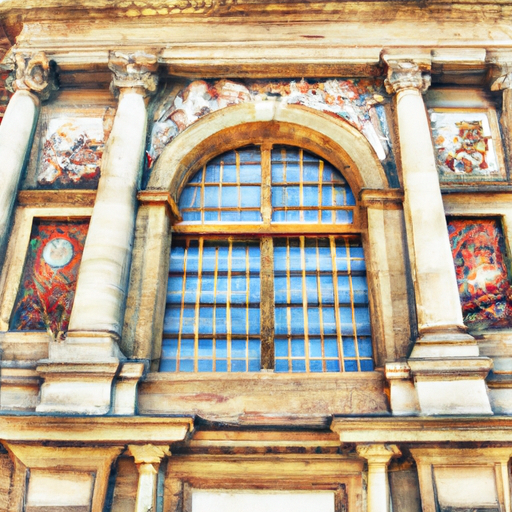
Renaissance Architecture, prevalent from the 14th to the 17th century, is characterized by a revival of classical Roman and Greek architectural elements. Famous for its grandeur, harmony, and symmetry, Renaissance Architecture brought back classical proportions and features such as domes, arches, columns, and pilasters. This style became famous for its influential architects such as Filippo Brunelleschi, Andrea Palladio, and Donato Bramante, and landmark structures like the Florence Cathedral, St. Peter's Basilica, and the Palazzo Farnese.

View StyleExplore Style
Example of visual style of Thomas Jefferson

Thomas Jefferson

The Thomas Jefferson visual style emerged during the late 18th and early 19th centuries, coinciding with Thomas Jefferson's political career (1801-1809). This style gained prominence in architecture, particularly in the United States, as a reflection of Jefferson's design preferences. Jeffersonian architecture showcased classical elements, influenced by ancient Roman and Greek styles. This style is characterized by symmetrical facades, domes, porticos, and columns. The most famous example of this style is the neoclassical Monticello, Thomas Jefferson's own residence. Its grandeur and simplicity continue to inspire architects and designers till date.

View StyleExplore Style
Home