StylopediaStylopedia

Color theory styles on Stylopedia

A visual encyclopedia of color theory styles – use as prompt inspiration for Midjourney, Gemini, or ChatGPT AI when making color theory images

Example of visual style of Divisionism

Divisionism

Divisionism, also known as Pointillism, is a visual style that emerged in the late 19th century. Developed by a group of artists including Georges Seurat and Paul Signac, it gained prominence in the 1880s and 1890s. Divisionism employs the technique of using small dots or strokes of pure colors to create an optical mixture in the viewer's eye, rather than pre-mixing colors on the canvas. This scientific approach to color theory was influenced by the study of optics and light. Divisionism gained fame for its innovative use of color and its ability to capture atmospheric effects and the play of light.

View StyleExplore Style
Example of visual style of Graphic Design

Graphic Design

Graphic Design is a visual style that emerged in the late 19th century and continues to be influential today. It focuses on the creation and arrangement of visual elements to convey a message or evoke an emotion. Graphic design became famous in the mid-20th century with the rise of modernism, which emphasized simplicity, clarity, and functionality. The use of typography, photography, illustration, and color theory are essential components of this style, which is known for its precision, organization, and visual impact.

View StyleExplore Style
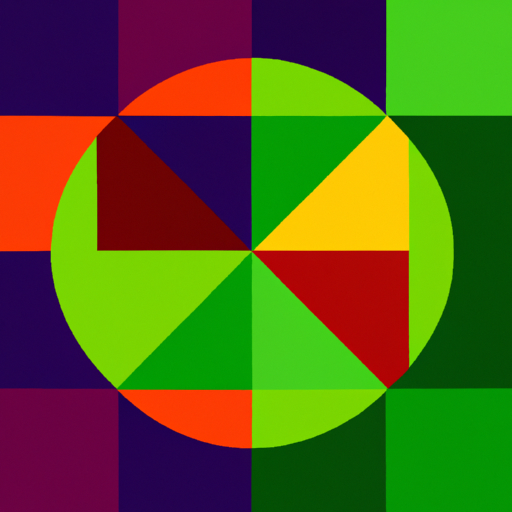
Example of visual style of Robert Delaunay

Robert Delaunay

Robert Delaunay was a French artist known for his involvement in the Orphism art movement. This style, developed in the early 20th century, aimed to create abstract visual language through the use of vibrant colors, geometric shapes, and light effects. Delaunay's work, particularly his series of paintings called 'Simultaneous Contrasts,' became famous for its innovative use of color theory and his exploration of the visual effects of color relationships. His style is characterized by dynamic compositions, fragmented forms, and a sense of movement.

View StyleExplore Style
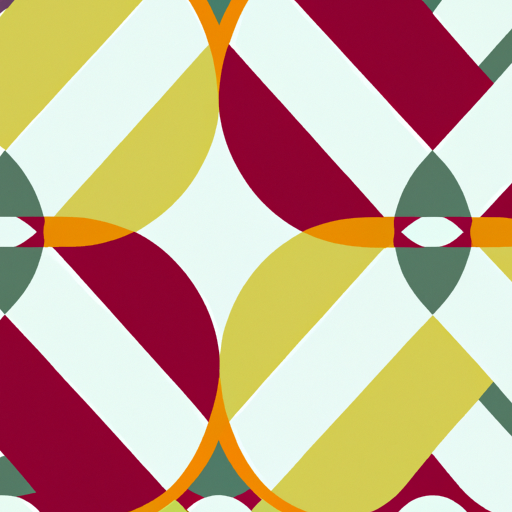
Example of visual style of Sonia Delaunay

Sonia Delaunay

Sonia Delaunay was a prominent artist and designer known for her influential contributions to the Orphism movement. Active in the early 20th century, Delaunay's style is characterized by vibrant colors, geometric shapes, and abstract patterns. She gained fame for her groundbreaking use of color in art, which was inspired by her interest in color theory and the study of simultaneous contrast. Delaunay's bold and innovative approach to art and design marked a significant departure from traditional artistic conventions, making her a key figure in the development of abstract and non-objective art.

View StyleExplore Style
Example of visual style of Stanton Macdonald Wright

Stanton Macdonald Wright

Stanton Macdonald Wright was a prominent American abstract painter and co-founder of the Synchromism movement in the early 20th century. Active from 1912 to the 1930s, this style was characterized by the use of vibrant, non-representational colors to create harmonious and rhythmic compositions. Synchromism became famous for its innovative approach to color theory, influenced by the ideas of Wassily Kandinsky and the study of prismatic light. Stanton Macdonald Wright's works from this period are known for their dynamic energy, visual movement, and bold use of primary colors.

View StyleExplore Style
Home