StylopediaStylopedia

Collage styles on Stylopedia

A visual encyclopedia of collage styles – use as prompt inspiration for Midjourney, Gemini, or ChatGPT AI when making collage images

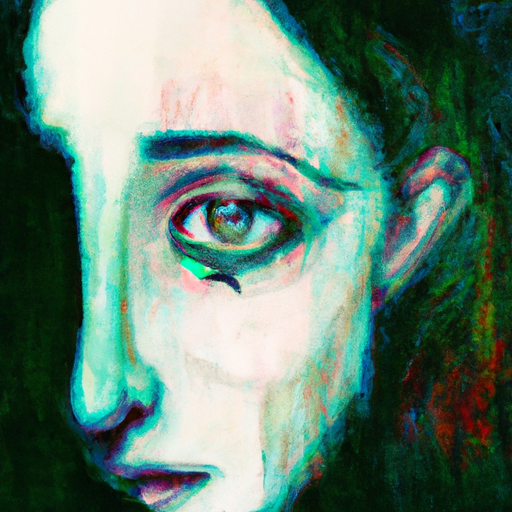
Example of visual style of Bill Sienkiewicz

Bill Sienkiewicz

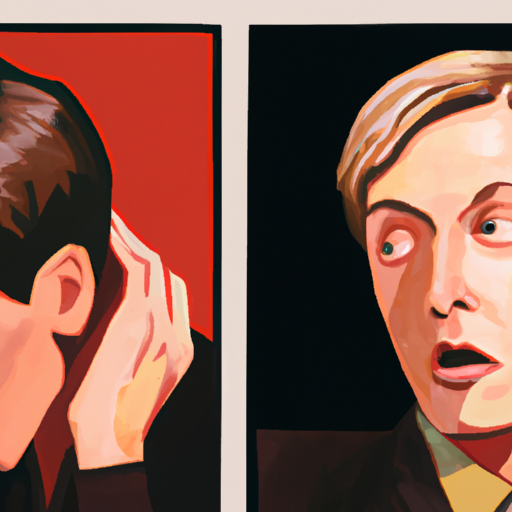
Bill Sienkiewicz is a highly influential comic book artist known for his unique and experimental visual style. His style emerged in the 1980s and became highly prominent in the comic industry. Sienkiewicz's iconic work on Marvel's 'Elektra: Assassin' (1986) and 'Moon Knight' (1985-1986) paved the way for his fame. With his groundbreaking use of mixed media, bold brushwork, collage elements, and abstract techniques, Sienkiewicz revolutionized the comic book art form, blurring the lines between traditional illustration and fine art. His atmospheric and emotionally charged images are characterized by their dynamic energy, intense textures, and a distinct blend of realism and abstraction.

View StyleExplore Style
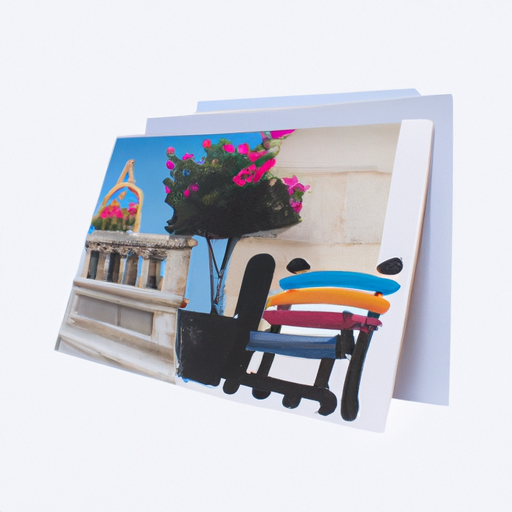
Example of visual style of Dada

Dada

Dada is an art movement that emerged during World War I in Zurich, Switzerland (1916-1922). It is known for its rebellious and anti-art nature, challenging traditional notions of art. Dadaists sought to create an irrational and absurd art that would reflect the chaotic and nihilistic atmosphere of the war. Nonsensical and provocative, Dada rejected the conventional ideas of beauty and purpose, emphasizing random and chance-based techniques. Through collage, assemblage, readymades, and performance art, Dadaists aimed to undermine the established norms and question the role of art in society.

View StyleExplore Style
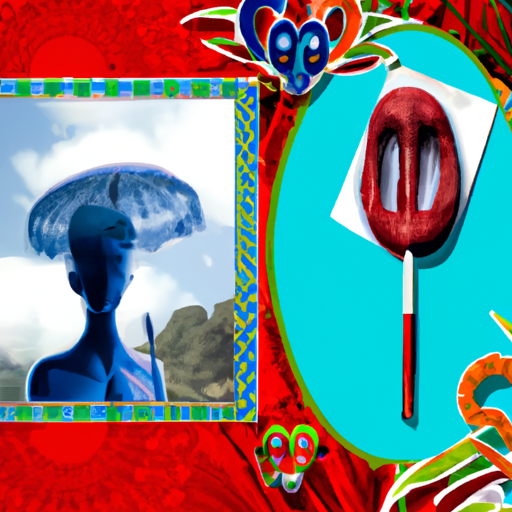
Example of visual style of David Hockney

David Hockney

David Hockney is an English painter, printmaker, and photographer known for his vibrant and colorful artworks. He emerged as a significant figure in the British Pop Art movement in the 1960s. Hockney's style is characterized by a unique blend of representation and abstraction, often using bold and bright colors to capture the essence of his subjects. His works have become famous for their exploration of space, perspective, and the use of collage. Hockney's most renowned works include his swimming pool paintings, double portraits, and landscapes. He continues to be a prominent and influential figure in the contemporary art world.

View StyleExplore Style
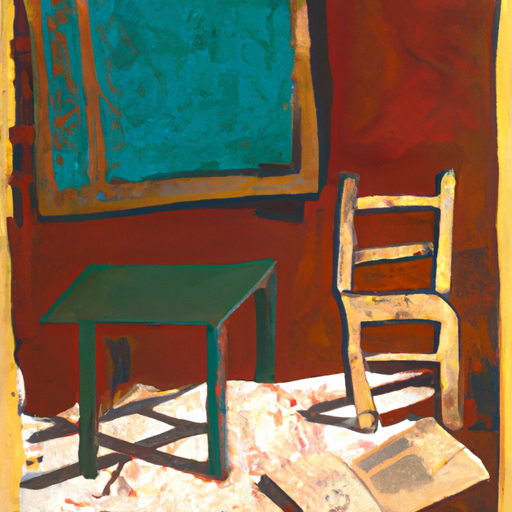
Example of visual style of Digital Collage

Digital Collage

Digital Collage is a visual style that emerged in the late 20th century and gained prominence in the early 21st century. It is characterized by the creation of artworks using a combination of digital tools and techniques to assemble various visual elements from different sources. Digital Collage allows artists to layer and manipulate images, textures, text, and graphics to create visually striking compositions. This style became famous with the rise of digital technology and the accessibility of image editing software, which enabled artists to experiment and explore new possibilities in visual storytelling and expression.

View StyleExplore Style
Example of visual style of Graphic Design In The 90s

Graphic Design In The 90s

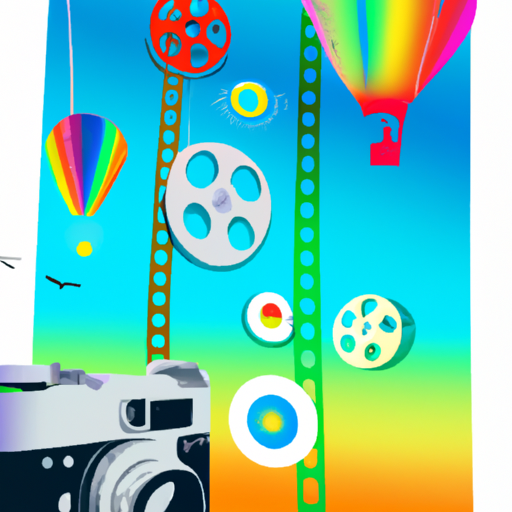
Graphic Design in the 90s was characterized by bold, vibrant, and eclectic designs. It was a period of graphic experimentation and the rebirth of digital design. The style emerged in the early 1990s and continued throughout the decade, renowned for its use of bold colors, geometric shapes, grunge textures, and a mix of typography styles. The rise of desktop publishing and software like Adobe Photoshop contributed to the popularity of this style. Designers often embraced a postmodern aesthetic with a focus on surrealism, collage, and deconstructed layouts. This style gained fame for its unique blend of digital and analog elements that reflected the fast-paced, technologically advanced nature of the era.

View StyleExplore Style
Example of visual style of Hannah Hoch

Hannah Hoch

Hannah Hoch was a German artist associated with the Dada movement in the early 20th century. She is best known for her pioneering work in photomontage, which involved cutting and rearranging photographs to create collages that challenged traditional notions of gender, identity, and culture. Active during the 1920s and 1930s, Hoch's work reflected the political and social upheaval of the time, incorporating images from popular media and fashion magazines to critique societal norms and expose the contradictions of the Weimar Republic in Germany.

View StyleExplore Style
Example of visual style of Hockney

Hockney

Hockney is a visual style associated with the works of the renowned British artist David Hockney. This style emerged in the 1960s and gained significant recognition during the pop art movement. Hockney became famous for his vivid and colorful paintings, which often incorporated elements of collage and unconventional perspectives. His use of bold and saturated colors, playful compositions, and exploration of light and space contributed to his distinct visual style. Hockney's depictions of swimming pools, landscapes, and portraiture became iconic, representing a vibrant and contemporary expression of art.

View StyleExplore Style
Example of visual style of Jamie Reid

Jamie Reid

Jamie Reid is an English artist known for his iconic punk rock collages and album covers. He gained prominence in the mid-1970s as the graphic designer for the punk band, the Sex Pistols. Reid's style is characterized by the use of cut-up letters and ransom note fonts, combined with vibrant and chaotic imagery. His work became synonymous with the punk movement, as he created visually provocative and politically charged artwork that reflected the rebellious and anarchic nature of punk. Jamie Reid's style revolutionized the visual aesthetic of punk rock and continues to influence art and design to this day.

View StyleExplore Style
Example of visual style of Jasper Johns

Jasper Johns

Jasper Johns is an American artist known for his pioneering work in Pop Art and Neo-Dadaism. His visual style emerged in the 1950s and became widely recognized in the 1960s. Johns is famous for his use of familiar and iconic images, such as flags, targets, and numbers, imbued with personal and symbolic meaning. He often employed techniques like stenciling, collage, and encaustic, creating textured surfaces that added depth to his paintings. Johns aimed to challenge the distinction between fine art and everyday objects, questioning the concept of originality and the role of the artist. His bold and vibrant works have had a lasting impact on the art world.

View StyleExplore Style
Example of visual style of Jean Paul Goude

Jean Paul Goude

Jean Paul Goude is a French graphic designer, illustrator, and photographer known for his unique and influential visual style. He rose to fame in the 1970s and 1980s for his creative collaborations with the fashion industry and his iconic images that merged art, fashion, and advertising. Goude's work often features vibrant colors, bold compositions, exaggerated proportions, and a playful sense of humor. His use of innovative techniques such as cut-outs, collage, and in-camera tricks revolutionized the field of photography. Goude's visual style is characterized by its dynamism, wit, and theatricality. His innovative approach to image-making made him a pioneer in the world of fashion and advertising, and his iconic works continue to inspire and influence contemporary visual culture.

View StyleExplore Style
Example of visual style of Kurt Schwitters

Kurt Schwitters

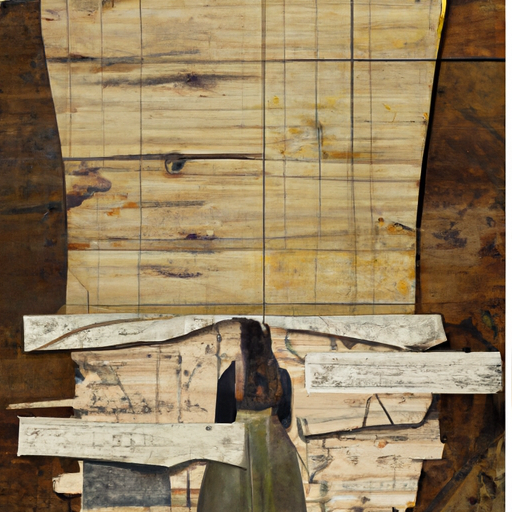
Kurt Schwitters was a German artist known for his innovative and influential collages. He developed the artistic movement Merz, which emerged in the early 20th century. Schwitters created collages by combining found objects, newspaper clippings, and other materials, often integrating text and typography. His work was characterized by its abstract and geometric compositions, as well as its use of everyday materials. Schwitters' art gained recognition in the 1920s and 1930s, and he is considered one of the most important figures in Dada and Constructivist movements.

View StyleExplore Style
Example of visual style of Lois Ehlert

Lois Ehlert

Lois Ehlert is known for her vibrant and playful visual style that captures the essence of nature and childhood. She gained popularity in the late 1980s and early 1990s with her unique collage illustrations in children's books. Ehlert's signature style combines vivid colors, bold shapes, and textured patterns, creating a visually stimulating experience for young readers. Her books often feature cut-paper illustrations that are arranged in a dynamic and engaging manner. Ehlert's use of found objects, natural materials, and bright hues brings her artwork to life and invites readers into a world of imagination and discovery.

View StyleExplore Style
Example of visual style of Miriam Schapiro

Miriam Schapiro

Miriam Schapiro was a prominent figure in the feminist art movement. Her visual style emerged in the 1970s and is characterized by a vibrant and colorful aesthetic. Schapiro's work often incorporated collage and mixed media, combining various materials such as fabric, paper, and paint. Her central themes included femininity, domesticity, and the role of women in society. Schapiro's style gained fame for its bold use of color and its innovative approach to incorporating traditional craft techniques into fine art.

View StyleExplore Style
Example of visual style of Mixed Media Art

Mixed Media Art

Mixed Media Art is a style that incorporates various materials, techniques, and mediums to create artwork. It emerged as a prominent artistic style in the mid-20th century and gained popularity in the 1960s and 1970s. This style became famous for its ability to combine traditional and unconventional materials such as paint, collage, found objects, photography, and digital elements. Mixed Media Art encourages experimentation and often results in visually captivating and conceptually rich creations.

View StyleExplore Style
Example of visual style of Mixed Media Collage

Mixed Media Collage

Mixed Media Collage is a visual style that emerged in the early 20th century and gained popularity during the mid-20th century. It involves the combination of various materials and techniques to create a cohesive artwork. The use of different media such as photographs, newspaper clippings, fabric, paint, and found objects allows artists to create visually dynamic and textured compositions. This style became famous for its ability to explore themes of identity, consumerism, and societal criticism, often incorporating elements of surrealism and Dadaism.

View StyleExplore Style
Example of visual style of Natalie Thompson

Natalie Thompson

Natalie Thompson is a contemporary visual style that emerged in the late 2000s. Known for its vibrant colors, bold compositions, and whimsical elements, it has gained popularity for its energetic and cheerful aesthetic. Natalie Thompson is famous for her use of mixed media techniques, combining illustration, collage, and digital manipulation. Her work often features dreamlike scenes and characters, blurring the boundaries between reality and fantasy. This style became particularly influential in the early 2010s, with Thompson's unique approach to storytelling and visual language captivating audiences worldwide.

View StyleExplore Style
Example of visual style of Neo Dada

Neo Dada

Neo Dada is an art movement that emerged in the 1950s and reached its peak in the 1960s. It is characterized by an eclectic and unconventional approach, often using everyday objects and found materials to create artworks. The artists associated with Neo Dada aimed to challenge traditional notions of art and aesthetic by combining elements of performance, sculpture, painting, and collage. Neo Dada became famous for its rejection of rationality and embrace of absurdity, randomness, and chance in artistic creation.

View StyleExplore Style
Example of visual style of Nouveau Realisme

Nouveau Realisme

Nouveau Realisme, also known as New Realism, was an art movement that emerged in France in the early 1960s. It gained popularity during the years 1960-1970. The movement was famous for combining art with everyday objects and materials, blurring the boundaries between art and reality. Artists associated with Nouveau Realisme aimed to depict the world as it was, focusing on urban life, consumerism, and the industrial landscape. They often employed collage, assemblage, and found objects to create their artworks. Nouveau Realisme challenged the traditional notions of art, emphasizing the importance of the ordinary and the real.

View StyleExplore Style
Example of visual style of Peter Blake

Peter Blake

Peter Blake is a British pop artist known for his vibrant and eclectic visual style. His style emerged in the 1960s, during the height of the pop art movement. Blake became famous for his collage works, which typically featured a combination of popular imagery, such as advertisements, photographs, and comic book illustrations. His collages often incorporated elements of nostalgia, with references to popular culture icons and historical figures. Blake's style is characterized by bold colors, graphic compositions, and a sense of playfulness. He gained widespread recognition for designing the cover of The Beatles' album, 'Sgt. Pepper's Lonely Hearts Club Band' in 1967.

View StyleExplore Style
Example of visual style of Public Image Ltd

Public Image Ltd

The visual style of Public Image Ltd (PiL) emerged in the late 1970s and gained prominence throughout the 1980s. Known for their experimental and innovative approach, PiL's visual style embodies a juxtaposition of punk rebellion and post-punk aesthetics. Their iconic album covers, designed by British artist John Lydon (aka Johnny Rotten) and graphic designer Dennis Morris, often feature collage-like compositions, bold typography, and provocative imagery. PiL's visual style, with its gritty and raw elements, became synonymous with the band's confrontational and anti-establishment ethos.

View StyleExplore Style
Example of visual style of Raymond Hains

Raymond Hains

Raymond Hains was a French artist known for his exploration of décollage, a technique of removing or partially tearing away existing posters to create new collages. Active from the 1950s to the early 2000s, Hains gained recognition for his innovative approach to street art and his ability to transform urban detritus into unique visual compositions. His work became famous for its ability to challenge and question the boundaries of traditional artistic practices.

View StyleExplore Style
Example of visual style of Richard Hamilton

Richard Hamilton

Richard Hamilton was a British artist and pioneer of Pop Art. His visual style is characterized by a combination of popular culture imagery, consumerism, and a sense of irony. His work emerged in the 1950s and 1960s and played a significant role in popularizing the Pop Art movement, which challenged traditional artistic conventions by incorporating commercial and mass-produced imagery. Hamilton's use of collage, appropriation, and innovative printmaking techniques made his work stand out and gain international fame.

View StyleExplore Style
Example of visual style of Robert Rauschenberg

Robert Rauschenberg

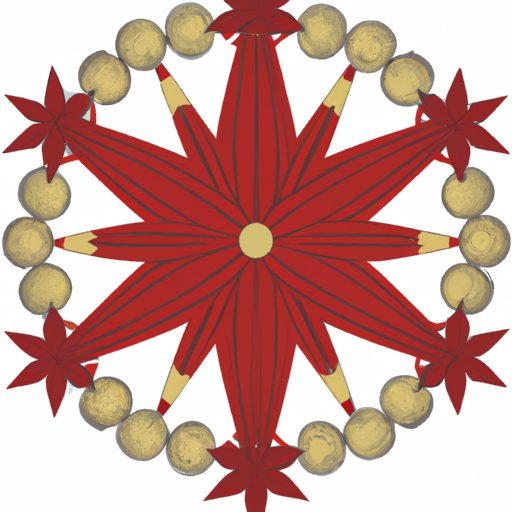
Robert Rauschenberg was an American artist known for his innovative and interdisciplinary approach to art. His style emerged in the 1950s and became famous for its combination of various mediums, such as painting, printmaking, photography, and sculpture. Rauschenberg's style challenged traditional notions of art by incorporating found objects, everyday materials, and collage techniques into his work. He is recognized for his significant contributions to Pop Art and Neo-Dada movements. Rauschenberg's artistic style was characterized by experimentation, improvisation, and the blurring of boundaries between different artistic disciplines.

View StyleExplore Style
Example of visual style of Shepard Fairey

Shepard Fairey

Shepard Fairey is an American contemporary street artist and graphic designer, known for his iconic works such as the Obama 'Hope' poster. His style emerged in the early 2000s and became famous for its bold imagery, politically-charged messages, and the use of a limited color palette that consists mainly of red, white, and blue. Fairey's style is characterized by its combination of stenciling and collage techniques, utilizing layers of imagery, text, and patterns to create visually striking and thought-provoking artworks. His works often explore themes of power, propaganda, and the intersection of art and activism.

View StyleExplore Style
Example of visual style of Tadanori Yokoo

Tadanori Yokoo

Tadanori Yokoo is a Japanese graphic designer and artist known for his psychedelic and surreal visual style. His work emerged in the 1960s and became famous for its vibrant colors, bold compositions, and intricate details. Yokoo's designs often combine traditional Japanese art motifs with Western pop culture references, creating a unique and dynamic aesthetic. His use of collage, typography, and symbolism became iconic and influential in the world of graphic design.

View StyleExplore Style
Example of visual style of The Durutti Column

The Durutti Column

The Durutti Column is a visual style that emerged in the late 1970s and gained popularity in the 1980s. Known for its eclectic mix of abstract imagery, collage-like compositions, and unique use of textures, this style encompasses both graphic design and album cover artwork. Its founder, Vini Reilly, was the driving force behind this visual style, which became synonymous with Factory Records. The combination of hand-drawn elements, photography, and minimalist typography set The Durutti Column apart and made it famous among post-punk and new wave music enthusiasts.

View StyleExplore Style
Home