StylopediaStylopedia

Classical revival styles on Stylopedia

A visual encyclopedia of classical revival styles – use as prompt inspiration for Midjourney, Gemini, or ChatGPT AI when making classical revival images

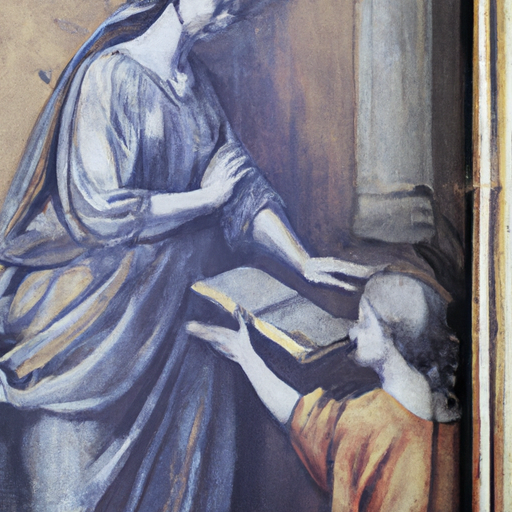
Example of visual style of Brunelleschi

Brunelleschi

Brunelleschi is a visual style that emerged in the early 15th century in Florence, Italy. It is named after its prominent representative, Filippo Brunelleschi. This style is famous for its emphasis on linear perspective and the revival of classical architectural forms. Brunelleschi's innovative use of perspective in his architectural designs, such as the dome of the Florence Cathedral, marked a significant milestone in the development of Renaissance art and architecture.

View StyleExplore Style
Example of visual style of Italian Renaissance

Italian Renaissance

Italian Renaissance was a period of great cultural and artistic achievement in Italy between the 14th and 16th centuries. It is characterized by the revival of classical forms, intellectual curiosity, and a focus on humanism. The Renaissance produced some of the most renowned artists, architects, and thinkers in history, such as Leonardo da Vinci, Michelangelo, and Raphael. Its emphasis on symmetry, perspective, and realism revolutionized art and had a lasting impact on Western civilization.

View StyleExplore Style
Example of visual style of Neoclassical Artists

Neoclassical Artists

Neoclassical Artists refers to a visual style that emerged in the late 18th and early 19th centuries in Europe. Influenced by the revival of classical Greek and Roman art, this style emphasized harmony, order, and a return to the ideals of ancient civilizations. Neoclassical Artists sought to capture the grandeur and beauty of antiquity through their art, depicting historical and mythological scenes, as well as portraits of prominent figures. This style became famous for its attention to detail, use of classical motifs, and a sense of idealized perfection.

View StyleExplore Style
Home