StylopediaStylopedia

Clarity styles on Stylopedia

A visual encyclopedia of clarity styles – use as prompt inspiration for Midjourney, Gemini, or ChatGPT AI when making clarity images

Example of visual style of Classicism

Classicism

Classicism is a visual style that emerged in ancient Greece and Rome during the 5th century BC to the 3rd century AD. It was characterized by a return to the aesthetic principles of order, harmony, and balance that were prevalent in Greek and Roman art and architecture. The style gained prominence during the Renaissance in the 15th and 16th centuries. Classicism became famous for its focus on idealized forms, symmetrical compositions, and a sense of proportion. It celebrated the virtues of balance, clarity, and rationality.

View StyleExplore Style
Example of visual style of Edward Tufte

Edward Tufte

Edward Tufte is a prominent data visualization expert and professor emeritus of political science, statistics, and computer science at Yale University. His work in the field of visual design and data presentation has greatly influenced the way information is communicated. Tufte's style, which emerged in the late 20th century, emphasizes clarity, simplicity, and the elimination of unnecessary decoration. His famous book 'The Visual Display of Quantitative Information' (1983) brought him widespread recognition. Tufte's style became famous for its emphasis on conveying large amounts of data coherently, minimalism in design, and the use of high-quality graphics and typography.

View StyleExplore Style
Example of visual style of Graphic Design

Graphic Design

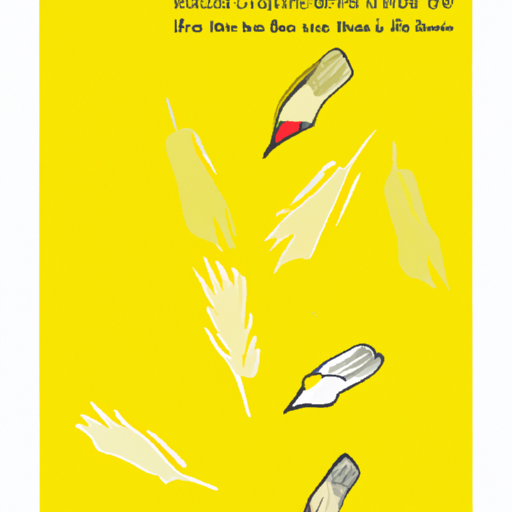
Graphic Design is a visual style that emerged in the late 19th century and continues to be influential today. It focuses on the creation and arrangement of visual elements to convey a message or evoke an emotion. Graphic design became famous in the mid-20th century with the rise of modernism, which emphasized simplicity, clarity, and functionality. The use of typography, photography, illustration, and color theory are essential components of this style, which is known for its precision, organization, and visual impact.

View StyleExplore Style
Example of visual style of International Typographic Style

International Typographic Style

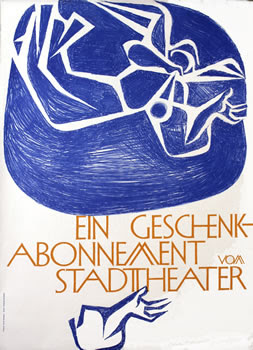
The International Typographic Style, also known as Swiss Style, emerged in the 1950s and became widely popular in the 1960s. It is characterized by its minimalistic approach to design, focusing on clean and organized layouts with strong emphasis on typography and grid-based compositions. The style is famous for its use of sans-serif typefaces, asymmetric layouts, and a strong use of photography. It prioritizes legibility, clarity, and objectivity in design, with an emphasis on simplicity and precision. This style gained recognition through the works of influential designers like Josef Müller-Brockmann, Max Bill, and Armin Hofmann.

View StyleExplore Style
Example of visual style of Nancy Duarte

Nancy Duarte

Nancy Duarte is a renowned visual designer and communication expert. She gained fame through her innovative slide designs and storytelling techniques. Starting in the late 1980s, Duarte revolutionized the presentation culture with her unique approach to creating visually appealing slides that effectively communicate complex ideas. Her style became famous for its emphasis on simplicity, clarity, and powerful storytelling. Duarte's work has been featured in numerous TED Talks, business presentations, and influential conferences.

View StyleExplore Style
Example of visual style of Peter Guthrie

Peter Guthrie

Peter Guthrie is a renowned visual artist known for his hyper-realistic architectural renderings. His style, which emerged in the early 2000s, is characterized by its meticulous attention to detail and the lifelike quality of his work. Guthrie's renderings have a distinct clarity and precision that captivate viewers. His use of light and texture enhances the believability of the spaces he portrays, creating an immersive experience for the audience. Guthrie gained fame for pushing the boundaries of architectural visualization, using cutting-edge technology and innovative techniques to achieve his stunning visuals.

View StyleExplore Style
Example of visual style of Peter Schmidt

Peter Schmidt

Peter Schmidt was a British graphic designer known for his minimalist and grid-based visual style. He rose to fame in the 1960s and 1970s, a time when modernist design principles were highly influential. Schmidt's work became famous for its clean lines, geometric shapes, and use of negative space. He was a collaborator of the renowned artist Brian Eno and together they developed the 'Oblique Strategies', a deck of cards containing creative prompts that became an iconic tool for artists and designers. Schmidt's style became popular for its simplicity, clarity, and effective communication of ideas.

View StyleExplore Style
Example of visual style of Swiss International Style

Swiss International Style

Swiss International Style, also known as the International Typographic Style, emerged in the 1950s in Switzerland and became one of the most influential graphic design movements of the 20th century. This minimalist style emphasized clean lines, simplicity, and clarity in visual communication. Swiss International Style was characterized by the use of grid systems, sans-serif typography, asymmetry, and a focus on hierarchy. The movement was renowned for its objective and rational approach to design, prioritizing functionality over decoration. This style gained prominence through the work of renowned Swiss designers such as Josef Müller-Brockmann, Max Bill, and Armin Hofmann. It became famous for its impact on graphic design education and the development of a universal design language.

View StyleExplore Style

Example of visual style of Swiss Style

Swiss Style

Swiss Style, also known as International Typographic Style, emerged in the 1950s and gained popularity in the 1960s. It is characterized by clean, minimalistic layouts, strong grid systems, sans-serif typefaces, and a focus on clarity and functionality. Swiss graphic designers such as Max Bill, Josef Müller-Brockmann, and Adrian Frutiger were influential in shaping this style. With its emphasis on precision, simplicity, and objective communication, Swiss Style revolutionized graphic design and became synonymous with modernism in visual communication.

View StyleExplore Style
Home