StylopediaStylopedia

Cinematography styles on Stylopedia

A visual encyclopedia of cinematography styles – use as prompt inspiration for Midjourney, Gemini, or ChatGPT AI when making cinematography images

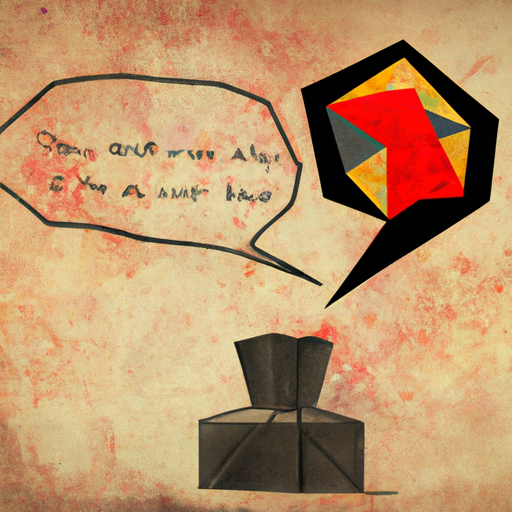
Example of visual style of Akira Kurosawa

Akira Kurosawa

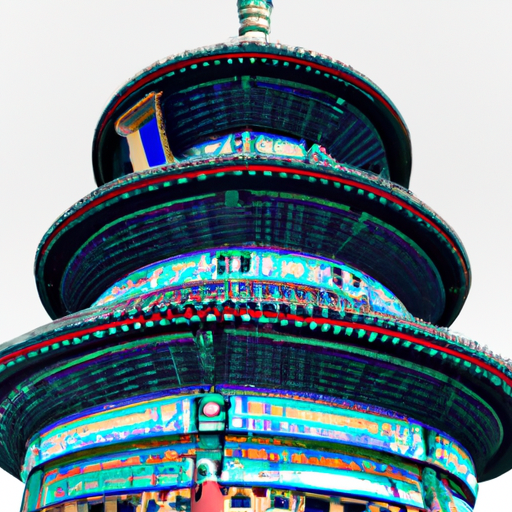
Akira Kurosawa's visual style is characterized by his innovative storytelling techniques and masterful use of cinematography. Active from the 1940s to the 1990s, Kurosawa was known for his dynamic compositions, visually stunning landscapes, and his ability to create intense and immersive atmospheres. He often employed long takes and wide-angle shots to capture the grandeur of his narratives. Kurosawa's meticulous attention to detail and his use of color and light added depth and richness to his films, making them visually striking and memorable.

View StyleExplore Style
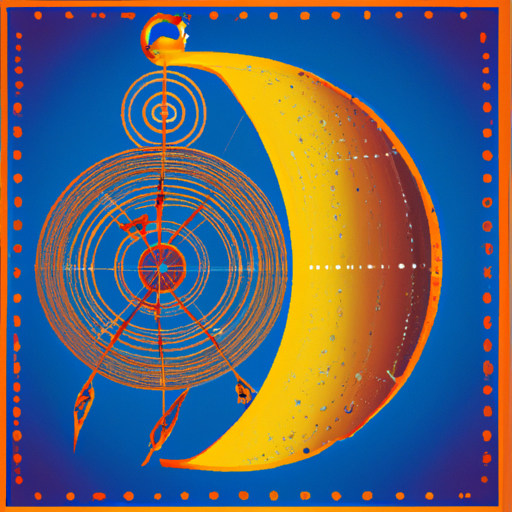
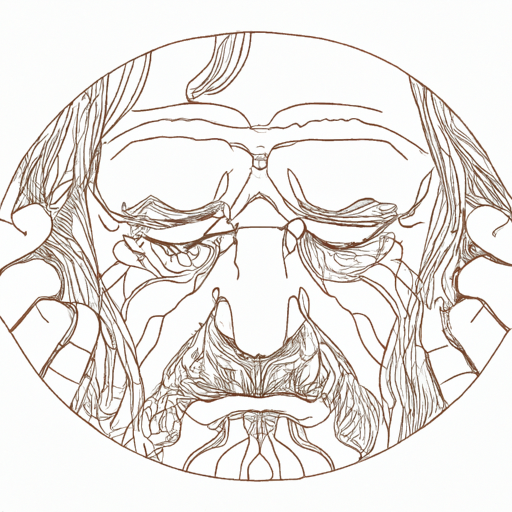
Example of visual style of Andrew Kevin Walker

Andrew Kevin Walker

Andrew Kevin Walker is a renowned American screenwriter known for his dark and gritty visual style. His style emerged in the 1990s and gained recognition through works like the film 'Se7en' released in 1995. Walker's style is characterized by its atmospheric intensity, moody and highly stylized cinematography, and a focus on exploring the dark depths of human nature. His visually striking storytelling often explores themes of crime, psychological turmoil, and moral ambiguity, which made him famous for his unique and haunting visual style.

View StyleExplore Style
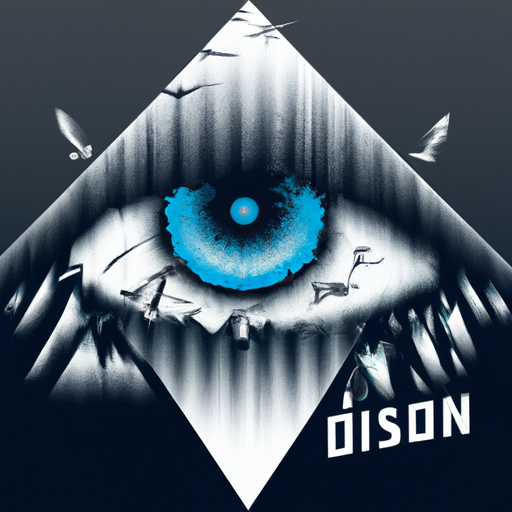
Example of visual style of Ang Lee

Ang Lee

Ang Lee's visual style can be described as a blend of realism and artistry. His films often feature stunning cinematography, meticulous attention to detail, and a deep exploration of human emotions. Lee became famous for his groundbreaking work in films such as 'Crouching Tiger, Hidden Dragon' (2000), which popularized the wuxia genre internationally, and 'Brokeback Mountain' (2005), which portrayed a sensitive and nuanced portrayal of a same-sex relationship. With a focus on character-driven narratives, Lee's visual style captures the beauty and complexity of human experiences.

View StyleExplore Style
Example of visual style of Brian De Palma

Brian De Palma

The visual style of Brian De Palma is characterized by its intense and suspenseful storytelling, highly stylized cinematography, and use of split screens. De Palma became famous for his work in the late 1960s and throughout the 1970s, with movies like 'Carrie' and 'Dressed to Kill'. His unique approach to composition and camera movement, often influenced by Alfred Hitchcock, became a trademark of his style. De Palma visually explores themes of voyeurism, duality, and the dark side of human nature.

View StyleExplore Style
Example of visual style of Darius Khondji

Darius Khondji

Darius Khondji is a French-Iranian cinematographer known for his distinctive visual style characterized by rich and contrasting color palettes, atmospheric lighting, and an organic and textural approach to composition. His unique style became famous in the 1990s with films like 'Se7en' (1995) and 'The City of Lost Children' (1995). Khondji's skillful use of high contrast lighting and manipulation of shadows creates a moody and gritty atmosphere, often enhancing the tension and suspense of the narratives he works on. His expertise in utilizing color temperature to evoke specific moods and emotions further contributes to the visually striking and immersive nature of his work.

View StyleExplore Style
Example of visual style of Fight Club

Fight Club

The visual style of Fight Club can be described as dark, gritty, and edgy. The film, released in 1999, became famous for its unique blend of unconventional storytelling, striking cinematography, and atmospheric visuals. The use of low-key lighting, desaturated colors, and high contrast creates a moody and raw aesthetic that complements the themes of rebellion and disillusionment explored in the movie. Fight Club's visual style became influential in the late 90s and early 2000s, inspiring a number of other films and establishing director David Fincher as a master of visual storytelling.

View StyleExplore Style
Example of visual style of Giallo Films

Giallo Films

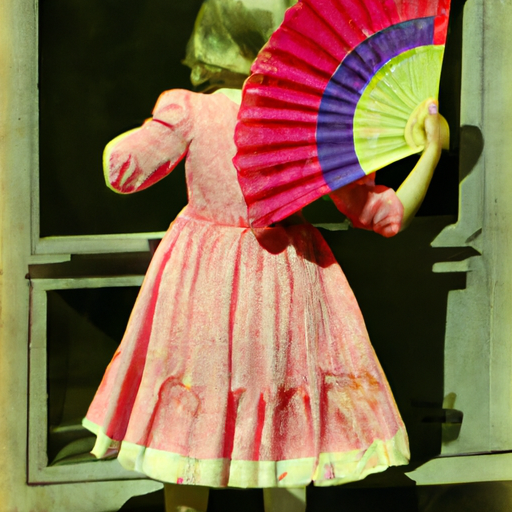
Giallo Films is an Italian genre of thriller and horror movies that emerged in the late 1960s and gained popularity in the 1970s. It is characterized by its intense use of stylized visuals, bright and vivid colors, intricate and convoluted plots, psychological and supernatural elements, as well as shocking scenes of violence and eroticism. Giallo Films often feature a masked killer and explore themes of mystery, murder, and detective investigation. The genre is known for its distinctive blend of suspenseful storytelling, atmospheric cinematography, and haunting musical scores. Giallo Films were highly influential in shaping the modern slasher and psychological horror genres.

View StyleExplore Style
Example of visual style of Lana And Lilly Wachowski

Lana And Lilly Wachowski

The Lana and Lilly Wachowski visual style emerged in the late 1990s and gained popularity in the 2000s. Known for their groundbreaking work in the sci-fi genre, Lana and Lilly Wachowski revolutionized visual storytelling through their distinctive style and visionary approach. Their films, such as The Matrix trilogy (1999-2003) and Cloud Atlas (2012), captivated audiences with their innovative use of visual effects, sleek and stylized cinematography, and thought-provoking narratives that explored themes of identity, reality, and dystopia. With their unique blend of action, philosophy, and stunning visuals, the Lana and Lilly Wachowski visual style has become iconic in the realm of science fiction cinema.

View StyleExplore Style
Example of visual style of Lawrence Of Arabia

Lawrence Of Arabia

Lawrence Of Arabia is a visually stunning epic film set in the Arabian desert during World War I. Released in 1962, the film gained fame for its breathtaking cinematography by Freddie Young. The visuals beautifully capture the vast desert landscapes, intricate details of Arabic architecture, and the intensity of battle scenes. Lawrence Of Arabia is known for its wide shots, grand scale, and rich color palette, bringing to life the unique ambiance of the desert.

View StyleExplore Style
Example of visual style of Lilly Wachowski

Lilly Wachowski

Lilly Wachowski's visual style is characterized by dynamic and stylized cinematography, bold color schemes, and a blend of various genres such as science fiction and action. Her style gained prominence in the late 1990s with the release of the groundbreaking film 'The Matrix' (1999), which she co-directed with her sister Lana Wachowski. The film's innovative visual effects and intense action sequences made it a sensation, revolutionizing the way action films were made. Lilly Wachowski's visual style is known for its high-energy and visually stunning sequences that often incorporate slow-motion, intricate choreography, and cutting-edge technology.

View StyleExplore Style

Example of visual style of Night Of The Living Dead

Night Of The Living Dead

Night Of The Living Dead is a visual style that emerged in the late 1960s and early 1970s, particularly popularized by the influential horror film of the same name directed by George A. Romero in 1968. This style is characterized by its gritty and low-budget aesthetic, featuring stark black and white cinematography, realistic or documentary-like camera work, and a focus on tension, suspense, and gore. The film's groundbreaking use of zombies and the apocalyptic narrative has made Night Of The Living Dead a seminal work in the genre, establishing many of the tropes and conventions still seen in modern zombie films today.

View StyleExplore Style
Example of visual style of Robert Eggers

Robert Eggers

Robert Eggers is a filmmaker known for his distinct gothic visual style. His films are characterized by meticulously crafted period settings, dark and moody cinematography, and a focus on folklore and historical authenticity. Eggers rose to fame with his debut film 'The Witch' in 2015, which gained critical acclaim for its atmospheric visuals and emphasis on psychological horror. He further solidified his style with his second feature, 'The Lighthouse' in 2019, which showcased his commitment to recreating 19th-century aesthetics and haunting imagery.

View StyleExplore Style
Example of visual style of Roger Deakins

Roger Deakins

Roger Deakins is a renowned cinematographer known for his visually stunning and masterfully crafted shots. His style is characterized by its attention to detail, use of natural lighting, and rich color palettes. Deakins is famous for his work on various films, including Blade Runner 2049 (2017), Skyfall (2012), and No Country for Old Men (2007). He gained recognition for his ability to create immersive and atmospheric visuals that enhance the storytelling of the films he works on.

View StyleExplore Style
Example of visual style of Sergio Leone

Sergio Leone

Sergio Leone was an Italian film director known for his visually stunning and influential style primarily in Western films during the 1960s and 1970s. He rose to fame with his 'Spaghetti Western' trilogy, which included films like 'A Fistful of Dollars' (1964), 'For a Few Dollars More' (1965), and 'The Good, the Bad and the Ugly' (1966). Leone's style was characterized by his use of wide-angle shots, extreme close-ups, and long, tense build-ups of suspense. He often showcased intricate details and expressions, capturing the tension and drama through his unique cinematography and editing techniques. By combining intense close-ups with vast landscapes, Leone effectively created an atmosphere of loneliness and desolation, further enhanced by his use of natural lighting and expertly chosen locations. His visual style revolutionized the Western genre and influenced countless filmmakers, making him one of the most iconic directors in the history of cinema.

View StyleExplore Style
Example of visual style of The Fall

The Fall

The Fall is a visual style characterized by dark and moody aesthetics, primarily used in cinematography and photography. It gained popularity in the late 1990s and early 2000s, and is known for its use of muted colors, heavy shadows, and a sense of melancholy. It features desaturated tones and a reduced color palette, emphasizing the contrast between light and dark. The style often involves incorporating elements of nature and landscapes to create a haunting and atmospheric atmosphere. The Fall became famous for its ability to evoke emotions and tell stories through its unique visual language.

View StyleExplore Style
Example of visual style of The Lord Of The Rings Trilogy

The Lord Of The Rings Trilogy

The visual style of The Lord Of The Rings Trilogy, directed by Peter Jackson, is a fantastical and epic blend of high fantasy, medieval elements, and richly detailed landscapes. Released between 2001 and 2003, this trilogy brought J.R.R. Tolkien's legendary world of Middle-earth to life with its groundbreaking use of visual effects, intricate set designs, and stunning cinematography. It became famous for its grand scale battles, mythical creatures, and breathtaking vistas, captivating audiences worldwide.

View StyleExplore Style
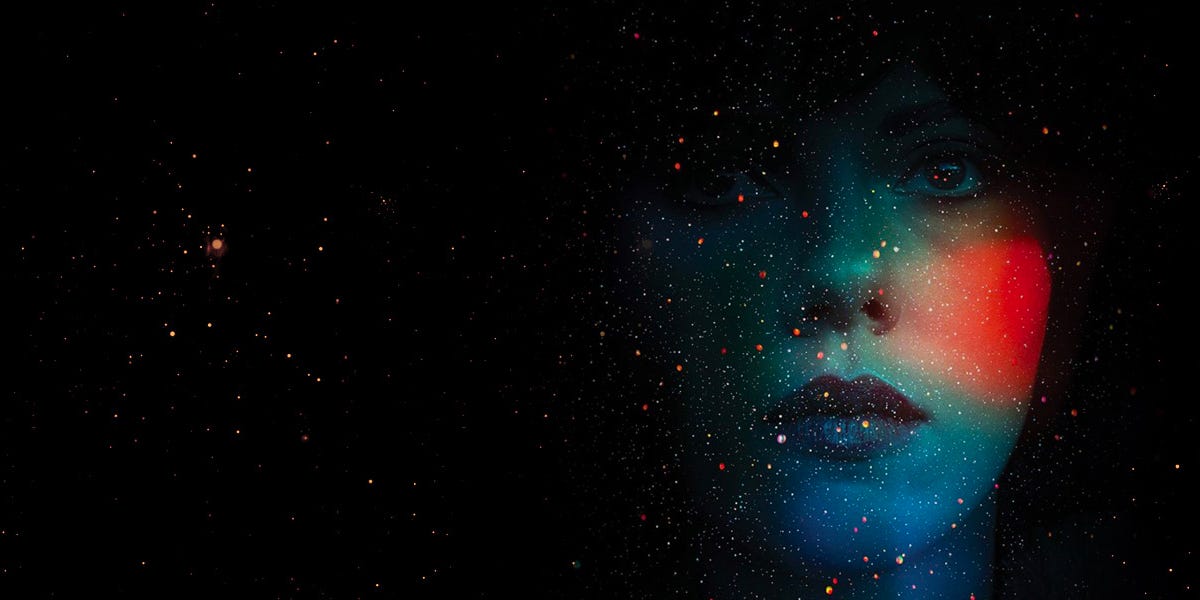
Example of visual style of The Thing

The Thing

The visual style of 'The Thing' is characterized by a blend of horror and science fiction themes, creating a sense of suspense and paranoia. It became famous for its realistic and gruesome special effects, which were way ahead of its time. Released in 1982, John Carpenter's 'The Thing' gained recognition for its revolutionary use of practical effects, remarkable creature design, and shocking visual imagery. The film's chilling atmosphere and tension-building cinematography contributed to its cult following and enduring influence on the horror genre.

View StyleExplore Style
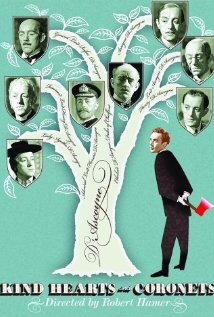
Example of visual style of The Thomas Crown Affair

The Thomas Crown Affair

The visual style of 'The Thomas Crown Affair' is a sleek and sophisticated blend of mid-century modern aesthetics with a touch of avant-garde elegance. The film's visuals are characterized by clean lines, bold colors, and luxurious settings, reflecting the opulent lifestyle of the protagonist. Released in 1968, the film's stylish cinematography and innovative editing techniques made it a pioneer in the heist genre, influencing subsequent films and TV shows.

View StyleExplore Style
Example of visual style of Tom Tykwer

Tom Tykwer

Tom Tykwer is a German film director known for his distinctive visual style. His style emerged in the late 1990s and became widely recognized through his work on films such as 'Run Lola Run' (1998) and 'Perfume: The Story of a Murderer' (2006). Tykwer's visual style is characterized by dynamic and fast-paced editing, stylized cinematography, and a unique blend of genres. His use of unconventional camera angles, bold color palettes, and experimental storytelling techniques has made him famous in the world of cinema.

View StyleExplore Style
Home