StylopediaStylopedia

Chiaroscuro styles on Stylopedia

A visual encyclopedia of chiaroscuro styles – use as prompt inspiration for Midjourney, Gemini, or ChatGPT AI when making chiaroscuro images

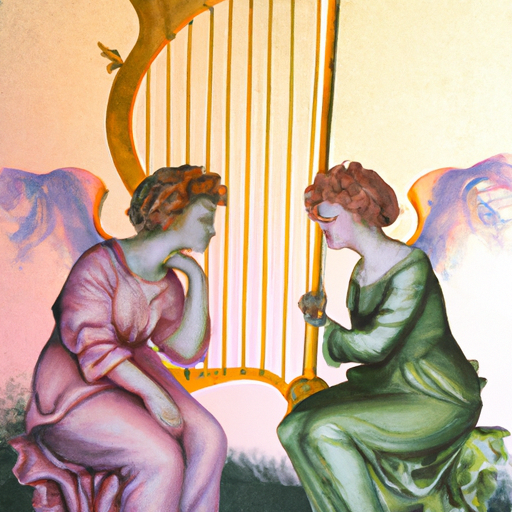
Example of visual style of Artemisia Gentileschi

Artemisia Gentileschi

Artemisia Gentileschi was an Italian Baroque painter who became famous for her powerful, dramatic, and often visceral depictions of biblical and mythological women. Active during the 17th century, her style is characterized by dynamic compositions, rich colors, and a focus on the emotional intensity of her subjects. Gentileschi's work is known for its emphasis on female protagonists, as well as her use of chiaroscuro and naturalistic details. She is regarded as one of the most important female artists of her time.

View StyleExplore Style
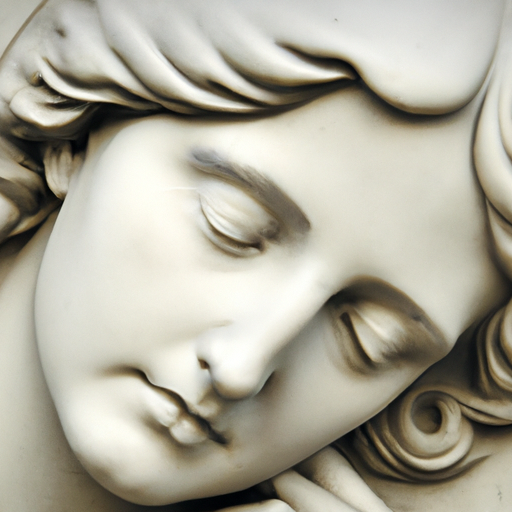
Example of visual style of Baroque Sculpture

Baroque Sculpture

Baroque Sculpture is a highly dramatic and theatrical style that emerged in Europe during the 17th century. It reached its peak between the late 16th and early 18th centuries. This style is known for its ornate and extravagant aesthetic, characterized by exaggerated gestures, dynamic compositions, and intricate details. Baroque sculptures often portray intense emotions, religious subjects, and a sense of movement. The use of light and shadow, known as chiaroscuro, adds depth and drama to the sculptures. Baroque Sculpture became famous for its grandeur and opulence, as well as its ability to evoke strong emotional responses from viewers.

View StyleExplore Style
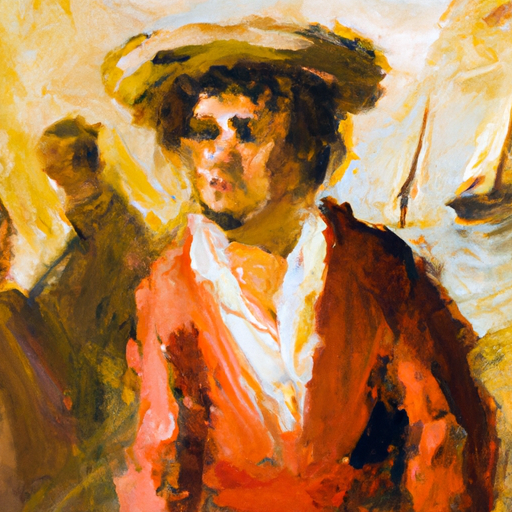
Example of visual style of Caravaggio

Caravaggio

Caravaggio is an Italian Baroque art style that emerged in the late 16th and early 17th centuries. It is characterized by its dramatic use of light and shadow, known as chiaroscuro, which creates a strong contrast between illuminated subjects and dark backgrounds. Caravaggio's revolutionary approach to painting, with its emphasis on naturalism and his ability to capture the emotional intensity of his subjects, made him one of the most influential artists of his time.

View StyleExplore Style
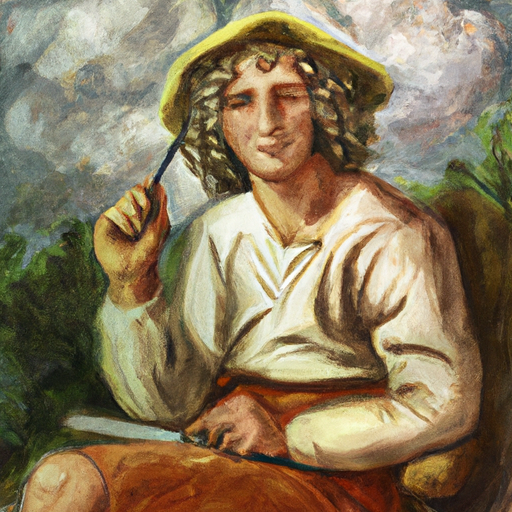
Example of visual style of Leonardo Da Vinci

Leonardo Da Vinci

Leonardo Da Vinci was an Italian polymath who lived during the Renaissance period (1452-1519). He is known for his versatility in art, science, and inventions. Da Vinci's visual style is characterized by a combination of meticulous detail and lifelike portrayal of subjects. His artwork is famous for its use of chiaroscuro, which refers to the contrast between light and shadow. Da Vinci's most famous works, such as 'The Last Supper' and 'Mona Lisa,' have achieved iconic status and continue to captivate audiences with their enigmatic expressions.

View StyleExplore Style
Example of visual style of Naoki Urasawa

Naoki Urasawa

Naoki Urasawa is a Japanese manga artist known for his realistic and detailed visual style. His art has gained recognition for its meticulous attention to detail, particularly in his character designs and backgrounds. Urasawa often employs a dark and gritty atmosphere, using chiaroscuro and expressive line work to capture the intense emotions and suspenseful storytelling of his manga. He rose to fame in the late 1990s with his critically acclaimed series 'Monster' and '20th Century Boys', which showcased his ability to create intricate plots and memorable characters.

View StyleExplore Style
Example of visual style of Rembrandt

Rembrandt

Rembrandt is a visual style that emerged during the 17th century in the Netherlands. It is named after the Dutch painter Rembrandt van Rijn, who is considered one of the greatest artists of all time. This style is characterized by its use of chiaroscuro, a strong contrast between light and dark, which creates a dramatic and mysterious atmosphere. Rembrandt's works were famous for their ability to capture the human spirit and emotions, often depicting biblical or historical scenes. He is particularly renowned for his skillful use of light and shadow to create depth and texture in his paintings. Rembrandt's style had a significant influence on many artists during his time and continues to inspire artists today.

View StyleExplore Style
Example of visual style of Renaissance Art

Renaissance Art

Renaissance Art refers to the period of art history between the 14th and 17th centuries in Europe, characterized by a revival of classical influences and a focus on realistic depiction. This period witnessed a shift from the medieval style to a more naturalistic approach, with a strong emphasis on human anatomy and perspective. Renowned artists like Leonardo da Vinci, Michelangelo, and Raphael played a significant role in shaping Renaissance Art. The artworks of this era are famous for their attention to detail, harmonious composition, and the use of techniques such as chiaroscuro and sfumato.

View StyleExplore Style
Example of visual style of Yousuf Karsh

Yousuf Karsh

Yousuf Karsh was a portrait photographer known for his distinctive visual style which emerged in the mid-20th century. His iconic photographs, taken between the 1930s and 1990s, captured the essence and personalities of notable subjects, including renowned artists, politicians, and celebrities. Karsh's style was characterized by dramatic lighting, meticulous attention to detail, and an ability to evoke emotions through his portraits. His use of chiaroscuro, strong contrasts, and careful composition made his works instantly recognizable and widely acclaimed.

View StyleExplore Style
Home