
Jodi
Jodi is a visual style that emerged in the 1990s, known for its chaotic and glitchy aesthetic created through digital manipulation. Famous for pushing the boundaries of internet art and digital culture.
View StyleExplore Style Stylopedia
A visual encyclopedia of chaotic styles – use as prompt inspiration for Midjourney, Gemini, or ChatGPT AI when making chaotic images
Jodi is a visual style that emerged in the 1990s, known for its chaotic and glitchy aesthetic created through digital manipulation. Famous for pushing the boundaries of internet art and digital culture.
View StyleExplore Style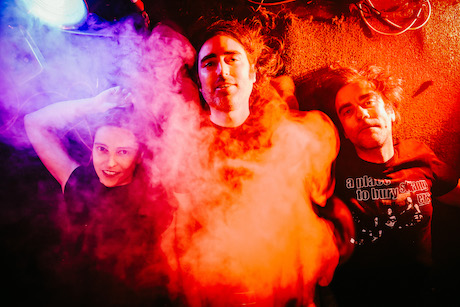
A dark and gritty visual style featuring intense strobe lights, distorted imagery, and chaotic visuals. Known for their raw and explosive live performances.
View StyleExplore StyleA dark, gritty, and chaotic visual style that combines elements of noise, punk, and shoegaze music. Known for their intense live performances and use of strobe lights, fog machines, and DIY light setups.
View StyleExplore Style
Absurdist Theatre is a style of drama that presents a chaotic and nonsensical world in which characters struggle to find meaning and purpose. It became famous in the mid-20th century for challenging traditional theatre conventions.
View StyleExplore Style
Anarchy In The Uk was a visual style that emerged in the mid-1970s in the United Kingdom, reaching its peak during the punk rock movement. It is characterized by its rebellious and provocative nature, breaking away from traditional norms and embracing a DIY (Do It Yourself) spirit. The style became famous for its use of bold and aggressive imagery, chaotic and anti-establishment aesthetics. The combination of torn-paper graphics, distressed typographies, and a raw color palette conveyed a sense of discomfort and opposition to the prevailing societal norms, making it a visual representation of the punk ideology.
View StyleExplore Style
The visual style of At The Drive In is characterized by chaotic and energetic performance art, blending punk rock with post-hardcore elements. Popular in the late 1990s to early 2000s, their style was iconic for its raw and visceral expression.
View StyleExplore Style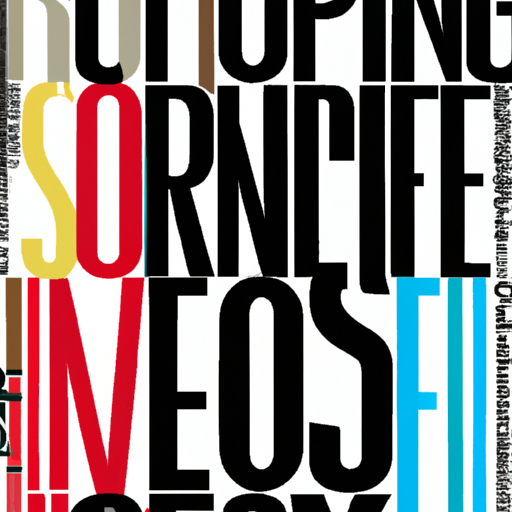
David Carson is a visual style known for his pioneering work in the field of graphic design during the 1990s. He gained recognition for his innovative and experimental approach to typography and layout. Carson's use of unconventional typefaces, fragmented text, and layered compositions revolutionized the field, creating a new aesthetic that challenged traditional design principles. He became famous for his work as the art director of Ray Gun magazine, where he pushed the boundaries of visual communication. Carson's style is characterized by a sense of chaos, spontaneity, and expressive typography. His work is often associated with the grunge and postmodern movements in design.
View StyleExplore Style
Del Close is a visual style associated with chaotic and abstract compositions, featuring bold colors and dynamic shapes. This style became famous in the 1960s for its experimental and improvisational approach to art.
View StyleExplore Style
Disasterpeace is a visual style characterized by chaotic and destructive imagery, often featuring explosions, natural disasters, and apocalyptic scenes. This style became famous in the mid-20th century for its intense and dramatic depictions of chaos and destruction.
View StyleExplore Style
The visual style of Eric Andre is characterized by chaotic and absurd elements, rapid editing cuts, and a disregard for traditional talk show norms. Influenced by the surreal humor of Adult Swim programming, Eric Andre's style gained popularity in the early 2010s for its unpredictable and boundary-pushing presentation.
View StyleExplore StyleThe Eric Andre visual style is chaotic, surreal, and absurd. It combines bright colors, fast-paced editing, and unpredictable humor. Popularized by the comedy series 'The Eric Andre Show', this style is known for its DIY aesthetic and off-the-wall approach to comedy.
View StyleExplore Style
Gary Panter's visual style, popularized in the 1970s and 1980s, is characterized by bold, psychedelic colors, chaotic patterns, and a DIY punk aesthetic. His innovative design work in comics and album covers helped define the visual language of underground art.
View StyleExplore Style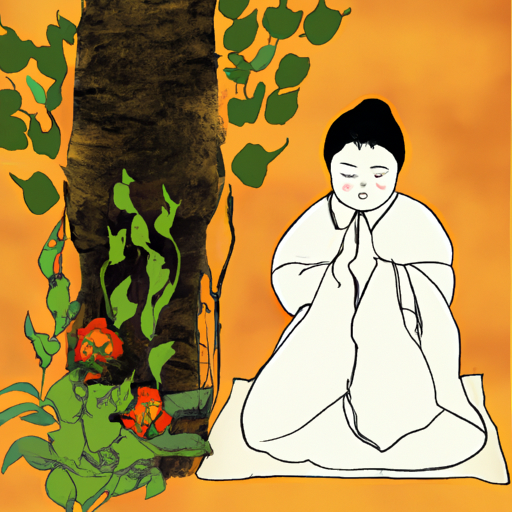
Hke Dysnomia is a digital art style characterized by glitchy aesthetics, abstract shapes, and surreal color palettes. It gained popularity in the early 2010s for its unique combination of chaos and beauty.
View StyleExplore Style
Hyon Gyon is a contemporary South Korean artist known for her vibrant and chaotic mixed-media works that combine painting, sculpture, and installation art. Her use of bold colors, expressive brushstrokes, and energetic compositions gained recognition in the early 2000s.
View StyleExplore Style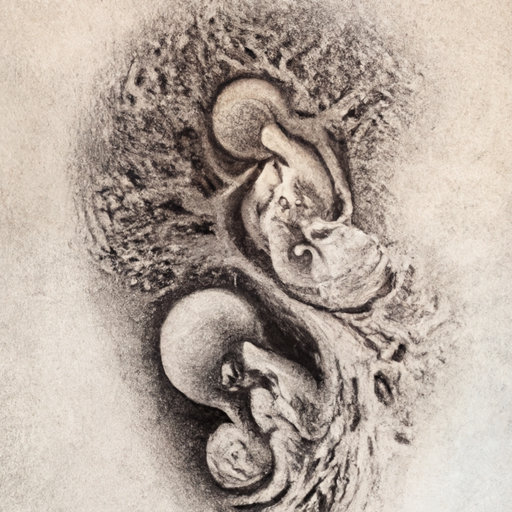
Ian Miller is a British fantasy artist known for his intricate and surreal illustrations. His style emerged in the 1970s and became popular for its dark, detailed, and chaotic imagery.
View StyleExplore Style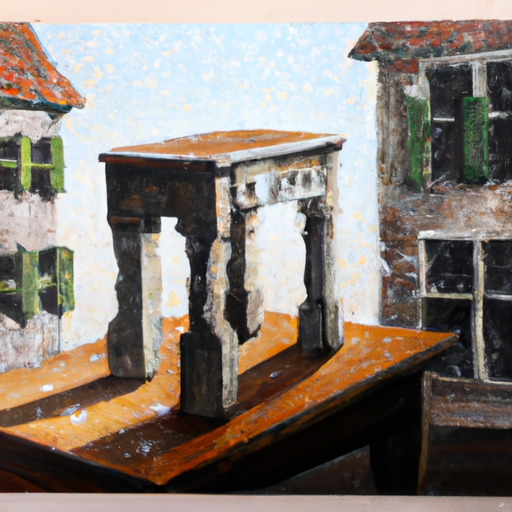
Jan Steen was a Dutch painter in the 17th century known for his lively and humorous scenes of daily life. His visual style is characterized by a combination of genre painting, vivid colors, and intricate details. Steen's work often depicted chaotic and festive gatherings, filled with boisterous characters engaged in humorous situations. His paintings were famous for their narrative storytelling and moral messages, portraying the vices and follies of human behavior. Jan Steen's style became popular during the Dutch Golden Age, particularly in the years 1660-1670, and his attention to detail and ability to capture human emotions made him a renowned artist of the time.
View StyleExplore Style
The visual style of "Joker" is dark, gritty, and atmospheric. Released in 2019, this film directed by Todd Phillips gained fame for its unique portrayal of the iconic Batman villain. The style is characterized by its use of contrasting colors, especially deep shades of red, yellow, and green, enhancing the grim and chaotic nature of the story. The cinematography captures the protagonist's descent into madness through its intense close-ups, distorted angles, and haunting lighting. The combination of these elements creates a visually striking and unsettling experience for the audience.
View StyleExplore Style
The Jungle Drum And Bass Scene emerged in the early 1990s in the UK, characterized by fast breakbeats, heavy basslines, and jungle noises. Known for its energetic and chaotic visuals, it became famous for its underground rave culture.
View StyleExplore Style
Kim Asendorf is a digital artist known for his glitch art, pixel sorting, and data bending techniques. His work became famous in the early 2010s for its innovative use of technology to create visually stunning and chaotic images.
View StyleExplore Style
Margaret Sixel is known for her fast-paced editing style, particularly in the films directed by George Miller such as Mad Max: Fury Road (2015). Her editing techniques create a sense of chaos and intensity on screen.
View StyleExplore Style
Maximalism is a vibrant and eclectic visual style that emerged in the late 20th century, with its popularity peaking in the 1980s and 1990s. It is known for its bold, chaotic, and ornate aesthetics characterized by excessive use of colors, patterns, textures, and decorative elements. Maximalism rejects the minimalist approach and instead emphasizes abundance, eccentricity, and individuality. This style became famous for its rejection of restraint and its celebration of excess and complexity in design.
View StyleExplore Style
Merzbow is a style of harsh noise music that emerged in the early 1980s in Japan. Known for its intense, aggressive, and chaotic soundscapes, Merzbow is famous for pushing the boundaries of traditional music composition.
View StyleExplore Style
Mockingjay is a dystopian visual style that gained popularity in the early 2010s through 'The Hunger Games' film franchise. It is characterized by its dark and gritty aesthetic, reflecting the oppressive and chaotic nature of the dystopian world depicted in the stories. The visual style features desaturated colors, high contrast, and a mix of futuristic and worn-out elements to create a sense of tension and unease.
View StyleExplore Style
Noise Music is a chaotic visual style that emerged in the late 20th century, characterized by discordant, harsh, and abrasive qualities. It gained fame for its experimental and boundary-pushing nature.
View StyleExplore Style
Ralph Steadman is a British artist known for his distinctive and chaotic visual style. His style emerged in the 1960s, gaining popularity for its bold, energetic, and exaggerated portrayals. Steadman is famous for his collaborations with the American author, Hunter S. Thompson, illustrating his gonzo journalism work, most notably in the book 'Fear and Loathing in Las Vegas' published in 1971.
View StyleExplore Style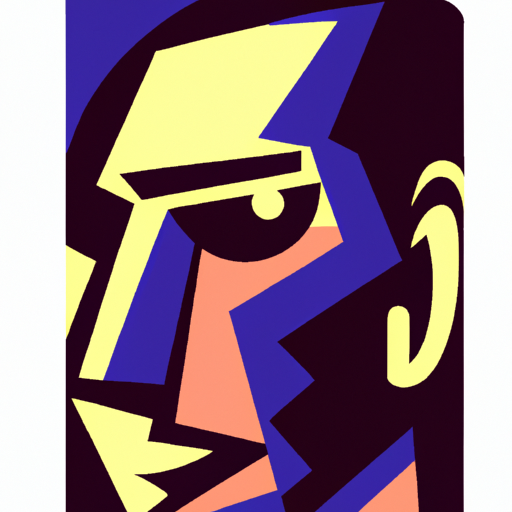
Ray Gun Magazine was a visually striking and innovative music and pop culture magazine that gained popularity in the 1990s. Renowned for its provocative and experimental design, Ray Gun revolutionized the way magazines were perceived and created. It was founded in 1992 by art director David Carson, who became famous for his unconventional approach to typography and layout. The magazine was known for its chaotic yet cohesive design, combining bold and unpredictable typography, vibrant colors, and juxtaposed images. Ray Gun Magazine pushed the boundaries of traditional graphic design, inspiring a new generation of designers and influencing the visual style of the era.
View StyleExplore Style
Ren And Stimpy is a visually distinctive and surreal animated television series that aired from 1991 to 1996. It was created by John Kricfalusi and gained fame for its unique and exaggerated animation style, bizarre humor, and gross-out gags. The show combined detailed and exaggerated character designs with highly exaggerated and fluid movements, resulting in a visually chaotic and unpredictable experience.
View StyleExplore Style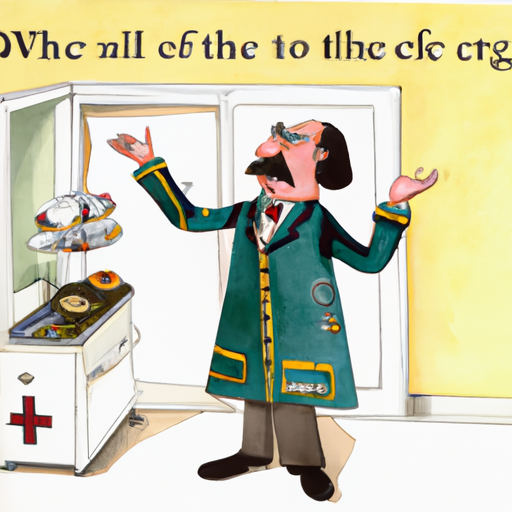
Roz Chast is known for her distinctive style of cartooning, characterized by her scratchy ink lines and vibrant, often chaotic compositions. Her visual style emerged in the late 1970s and became famous through her illustrations in The New Yorker magazine, where she has been a regular contributor since 1978. Chast's style is recognizable for its humor, quirkiness, and ability to capture the absurdities of everyday life through her witty and often self-deprecating cartoons.
View StyleExplore Style
Ryan Trecartin's visual style is characterized by surreal and chaotic video installations that combine wild narratives, fast-paced editing, and frenetic energy. His work gained fame in the early 2000s for pushing the boundaries of video art and exploring themes of identity, technology, and pop culture.
View StyleExplore Style
The visual style of Sonic Youth was characterized by a combination of punk, post-punk, and alternative rock influences. Known for their use of abstract and chaotic imagery, Sonic Youth's visual style gained fame in the 1980s and 1990s.
View StyleExplore Style
The visual style of 'The Eric Andre Show' is chaotic, surreal, and absurd. It features a mix of colorful and low-budget sets, rapid-fire editing, and bizarre costumes. Known for its unconventional and unpredictable nature, the show is a parody of late-night talk shows.
View StyleExplore Style
The Jesus and Mary Chain's visual style is characterized by a stark, minimalist aesthetic with a heavy emphasis on black and white imagery. Their style became famous in the 1980s for its edgy and rebellious look that perfectly complemented their noisy and chaotic music.
View StyleExplore Style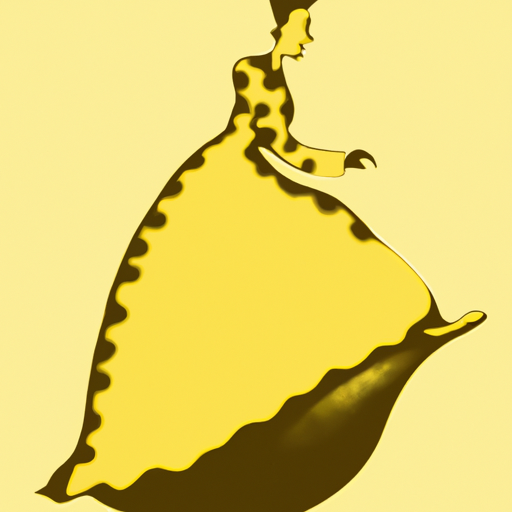
The visual style of 'The Wild Bunch' is characterized by gritty, realistic cinematography, chaotic action sequences, and groundbreaking editing techniques. This style became famous in the late 1960s and set a new standard for Western films.
View StyleExplore Style