
StylopediaStylopedia

Challenging styles on Stylopedia

A visual encyclopedia of challenging styles – use as prompt inspiration for Midjourney, Gemini, or ChatGPT AI when making challenging images

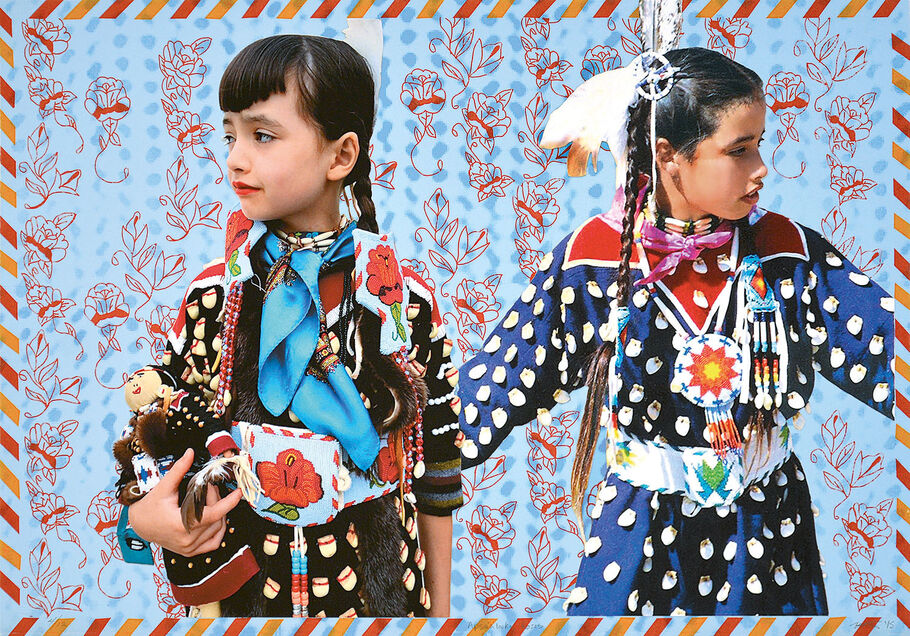
Example of visual style of African Contemporary Art

African Contemporary Art

African Contemporary Art is a dynamic and vibrant visual style that emerged in the late 20th century and continues to influence the art world today. It gained prominence in the 1990s and 2000s, as artists from various African countries began to explore new artistic expressions. This style is characterized by a fusion of traditional African art with contemporary techniques and ideas, resulting in unique and powerful artworks that reflect the diverse cultures and experiences of the African continent. African Contemporary Art has gained international recognition for its ability to challenge stereotypes, address sociopolitical issues, and celebrate African identity and heritage.

View StyleExplore Style

Example of visual style of Deconstructivism

Deconstructivism

Deconstructivism is a visually striking architectural style that emerged in the late 20th century. It gained fame in the 1980s and 1990s for its bold and unconventional designs. Influenced by postmodernism, Deconstructivism aimed to challenge traditional architectural principles and create structures that appear fragmented, distorted, and disorienting. Its famous examples include the Guggenheim Museum in Bilbao and the Walt Disney Concert Hall in Los Angeles.

View StyleExplore Style
Example of visual style of Duchampian

Duchampian

Duchampian is a visual style named after the influential artist Marcel Duchamp. It emerged in the early 20th century and became famous for its provocative and conceptual nature. Duchampian art challenges traditional notions of artistic creation and the definition of art itself. With his iconic work 'Fountain' in 1917, Duchamp introduced the concept of the 'readymade,' where everyday objects were transformed into art simply by the act of choosing and presenting them in a gallery setting. This approach sparked a major shift in the art world and influenced subsequent movements like Dadaism and Conceptual art.

View StyleExplore Style
Example of visual style of Fluxus Movement

Fluxus Movement

Fluxus Movement was a global, avant-garde art movement that emerged in the early 1960s. It was known for its experimental and interdisciplinary approach, challenging traditional notions of art. Fluxus artists sought to blur the boundaries between art and life, often creating works that were a combination of visual art, performance, music, and literature. The movement emphasized simplicity, humor, and audience participation. Some famous Fluxus artists include Nam June Paik, Yoko Ono, and George Maciunas.

View StyleExplore Style
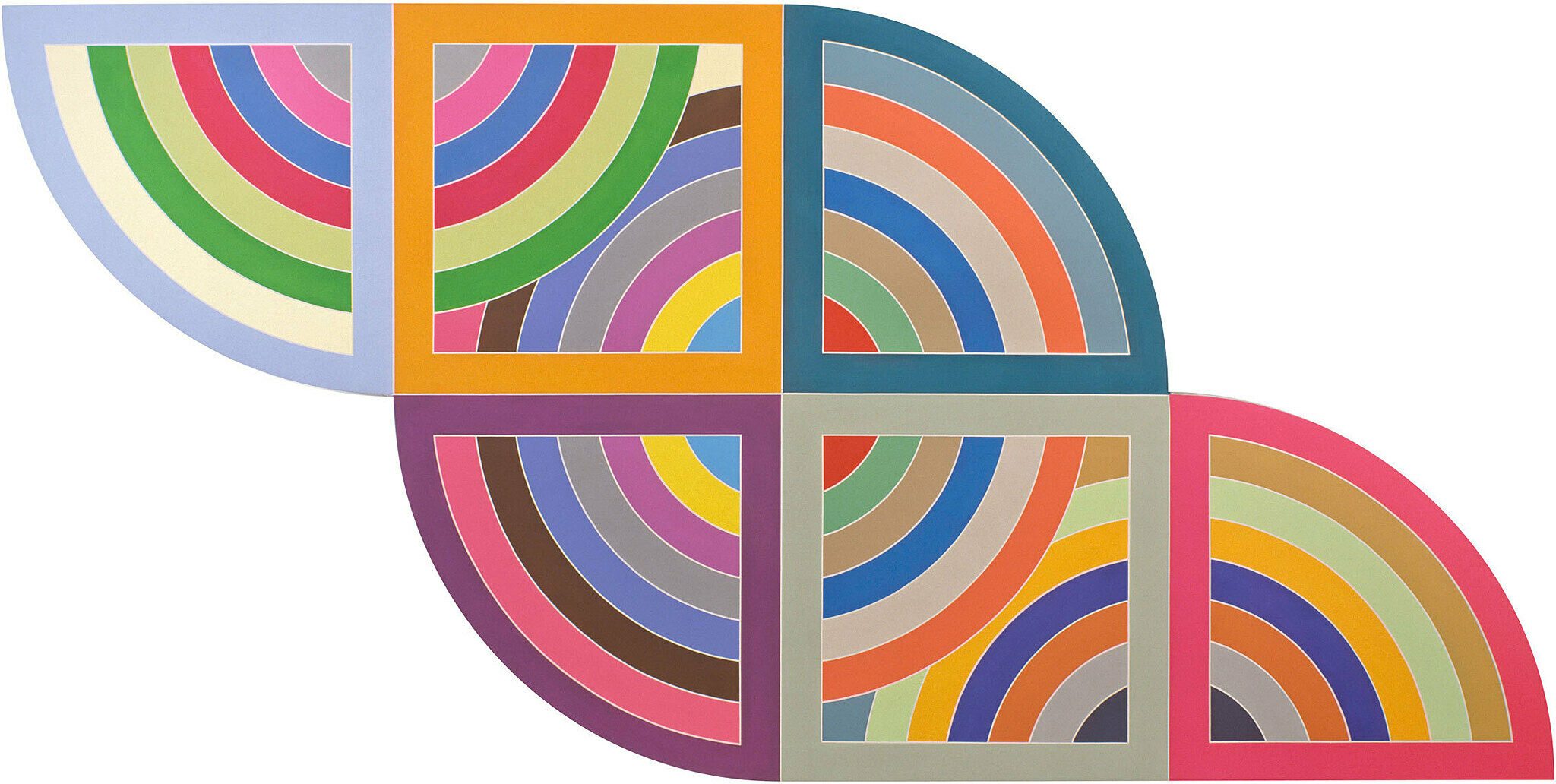
Example of visual style of Frank Stella

Frank Stella

Frank Stella is an American painter known for his minimalist and abstract art. He emerged as a prominent figure in the art world in the late 1950s and early 1960s with his groundbreaking Black Paintings. These paintings featured geometric shapes and bold, flat colors. Stella's work challenged traditional notions of composition and pushed the boundaries of what could be considered art. His unique style continued to evolve throughout the years, incorporating new materials and techniques. He is considered one of the pioneers of minimalism and his work has had a significant impact on contemporary art.

View StyleExplore Style
Example of visual style of Indie Games

Indie Games

Indie Games is a visual style characterized by unique and experimental artistic choices, typically developed by smaller independent game studios or individual developers. This style emerged in the early 2000s with the rise of digital distribution platforms like Xbox Live Arcade, Steam, and the App Store, which provided a platform for indie developers to reach a wider audience. Indie Games are known for their emphasis on creativity, innovation, and gameplay mechanics rather than high-end graphics or blockbuster budgets. The style became famous for its ability to offer fresh and unconventional gaming experiences, often challenging established norms and tropes in the industry.

View StyleExplore Style

Example of visual style of Naïve art

Naïve art

Nave Art is a contemporary art style that emerged in the late 20th century. It gained recognition during the 1990s and continues to have relevance today. The term 'Nave' refers to the concept of simplicity, naivety, and a childlike approach to art creation. Artists who adopt this style often use basic shapes, vibrant colors, and childlike motifs to convey their artistic expression. This style became famous for its ability to evoke a sense of innocence and playfulness, while also challenging traditional artistic norms.

View StyleExplore Style

Example of visual style of Postmodernism

Postmodernism

Postmodernism is a visual style that emerged in the late 20th century, particularly in the 1970s to the 1990s. It gained prominence as a reaction against modernism's strict rules and emphasis on functionality. Postmodernism is known for its eclectic, playful, and often ironic approach to design. It incorporates a mix of historical and cultural references, blurring the boundaries between high and low art, and often challenges traditional notions of form and function. This style became famous for its infusion of bold colors, exaggerated shapes, and the incorporation of elements from various periods and cultures.

View StyleExplore Style
Example of visual style of Rei Kawakubo

Rei Kawakubo

Rei Kawakubo is a Japanese fashion designer known for her avant-garde and unconventional approach to fashion. She rose to fame in the late 1970s and early 1980s with her label Comme des Garçons, challenging traditional notions of beauty and femininity in clothing. Kawakubo is renowned for her asymmetrical silhouettes, deconstructed designs, and use of bold colors and textures. Her work often blurs the boundaries between fashion and art, pushing the limits of what is considered wearable. Kawakubo's unique and groundbreaking designs have made her an icon in the fashion industry.

View StyleExplore Style
Example of visual style of Sarah Lucas

Sarah Lucas

Sarah Lucas is a British contemporary artist known for her provocative and challenging approach to gender, sexuality, and the human body. She emerged in the 1990s as part of the Young British Artists movement and gained international recognition. Lucas became famous for her use of everyday objects, such as cigarettes, stuffed tights, and furniture, to create sculptures, installations, and photographs that challenge traditional notions of femininity and masculinity.

View StyleExplore Style
Home