StylopediaStylopedia

Ceramics styles on Stylopedia

A visual encyclopedia of ceramics styles – use as prompt inspiration for Midjourney, Gemini, or ChatGPT AI when making ceramics images

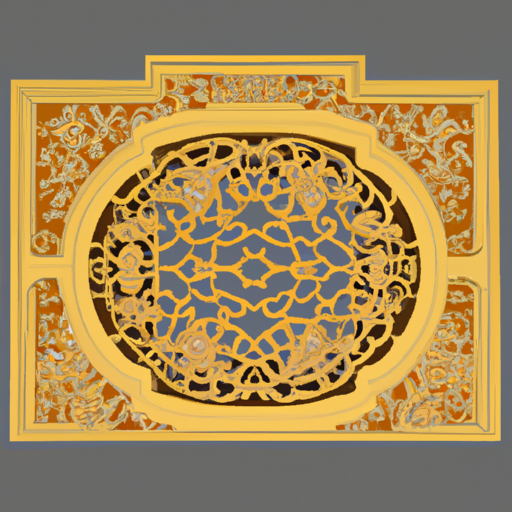
Example of visual style of Arabesque

Arabesque

Arabesque is a highly decorative and intricate visual style that emerged during the Islamic Golden Age in the 8th century and reached its peak in popularity during the Renaissance. It is characterized by the extensive use of flowing and interlacing patterns inspired by nature, such as plants, flowers, and geometric shapes. Arabesque became famous for its symmetrical designs, precise craftsmanship, and intricate details that were often seen in architecture, textiles, ceramics, and manuscripts.

View StyleExplore Style
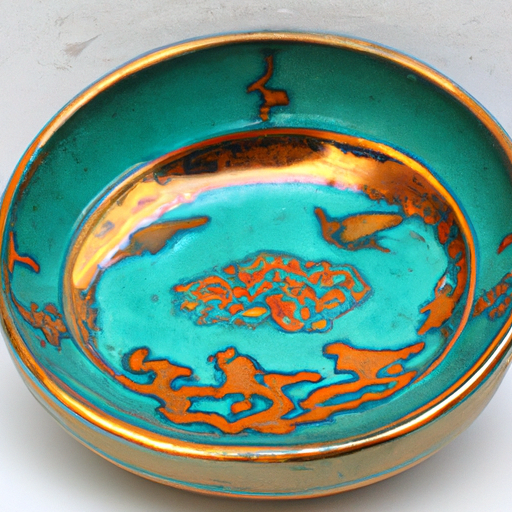
Example of visual style of Central Asian Art

Central Asian Art

Central Asian Art refers to the visual style that emerged in the Central Asian region, encompassing countries such as Kazakhstan, Kyrgyzstan, Tajikistan, Turkmenistan, and Uzbekistan. This style developed over centuries and reached its peak during the Islamic Golden Age (8th to 14th centuries) and the Timurid Empire (14th to 15th centuries). Central Asian Art is famous for its intricate geometric patterns, vibrant colors, and richly ornamented composition. It is heavily influenced by the Islamic artistic traditions, combining elements of Persian, Arab, and Turkic cultures. This art style is known for its use of calligraphy, ceramics, metalwork, textiles, and architecture.

View StyleExplore Style
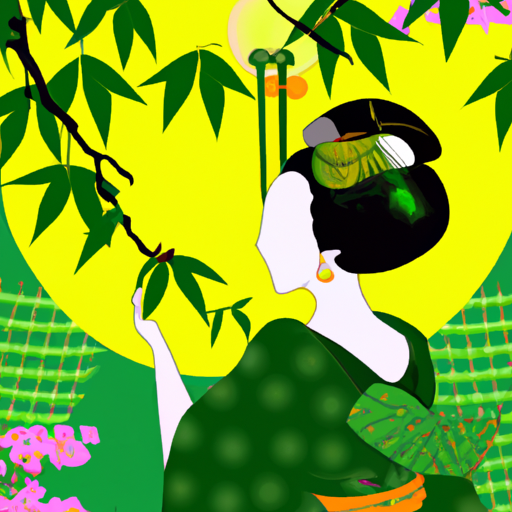
Example of visual style of Japanese Art

Japanese Art

Japanese Art is a style of visual arts that has a rich and diverse history. It encompasses various art forms such as painting, calligraphy, ceramics, and woodblock prints. Japanese Art is renowned for its unique aesthetic and meticulous craftsmanship. It has been influenced by both the traditional Japanese culture and outside influences, such as Chinese and Western art. Important periods in Japanese Art include the Heian period (794-1185) known for its elegant court painting and the Edo period (1603-1868) where ukiyo-e, a genre of woodblock prints, became immensely popular both within Japan and internationally.

View StyleExplore Style
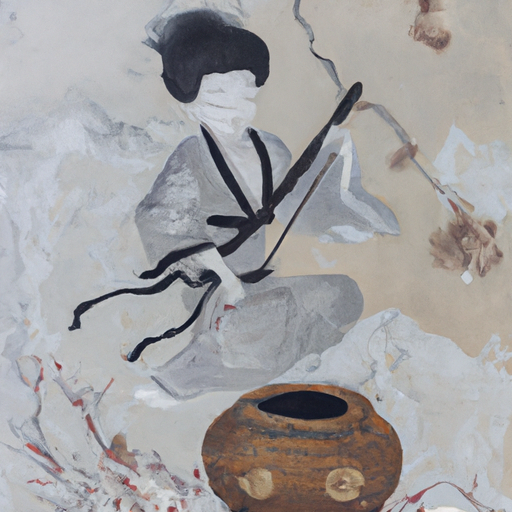
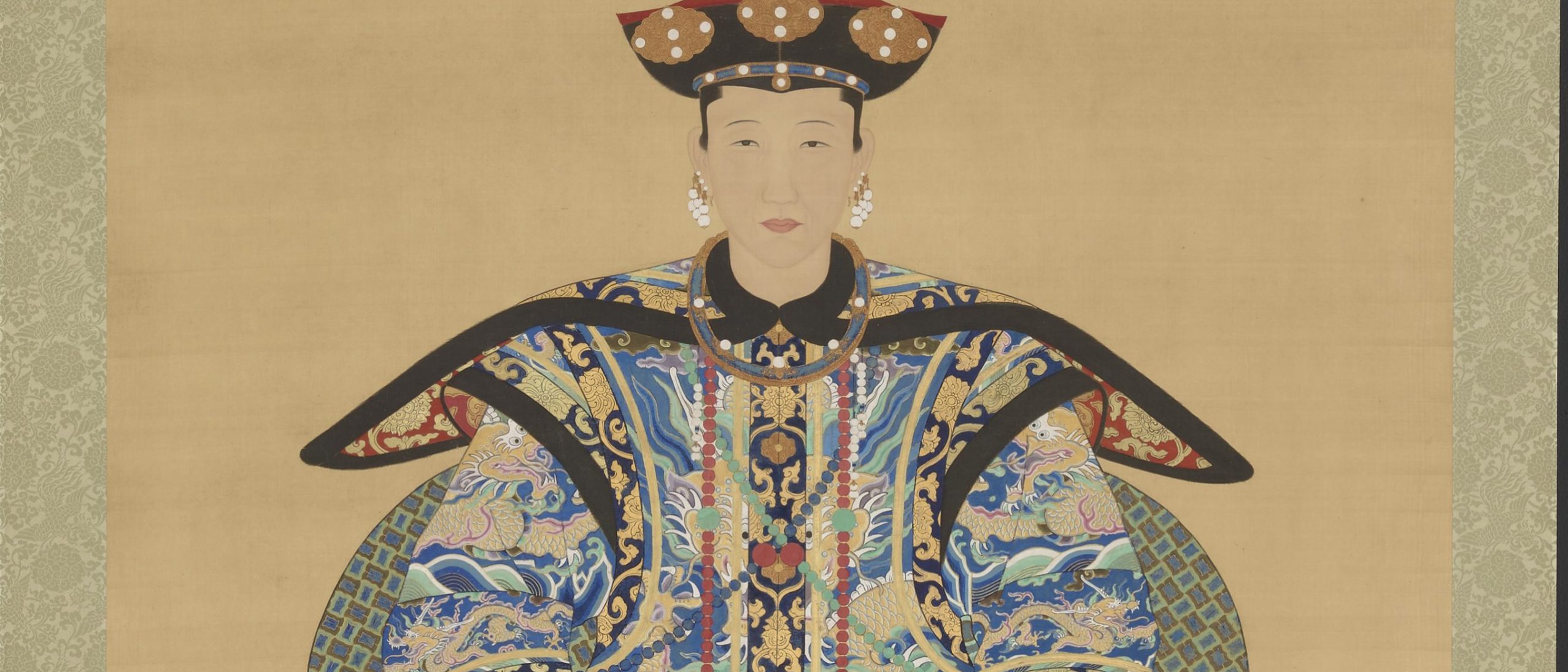
Example of visual style of Joseon Dynasty

Joseon Dynasty

The Joseon Dynasty was a Korean dynastic kingdom that lasted for over 500 years from 1392 to 1897. The visual style of the Joseon Dynasty is characterized by its traditional and elegant aesthetics, which reflected the Confucian principles of the time. It is famous for its emphasis on simplicity, balance, and harmony in both its architecture and visual arts. The dynasty's golden age of cultural achievements occurred during the 15th and 16th centuries, with notable advancements in literature, ceramics, and painting.

View StyleExplore Style
Home