StylopediaStylopedia

Cartoon styles on Stylopedia

A visual encyclopedia of cartoon styles – use as prompt inspiration for Midjourney, Gemini, or ChatGPT AI when making cartoon images

Example of visual style of Betty Boop

Betty Boop

Betty Boop is a visual style that emerged in the 1930s and became famous for its unique blend of cartoons and fashion. Created by Max Fleischer, Betty Boop is a cartoon character known for her high-pitched voice, short bob haircut, big eyes, and stylized flapper attire. The visual style is characterized by bold and exaggerated designs, vibrant colors, and playful animations. Betty Boop gained popularity for her saucy and suggestive nature, making her a cultural icon of the Jazz Age.

View StyleExplore Style
Example of visual style of Bugs Bunny

Bugs Bunny

The visual style of Bugs Bunny is characteristic of the golden age of American animation, particularly the Looney Tunes and Merrie Melodies series. It gained prominence during the 1940s and 1950s and is still popular today. Bugs Bunny is known for his mischievous, quick-witted, and sarcastic personality. The visual style of Bugs Bunny features vibrant and exaggerated animation, smooth and fluid movements, expressive facial features, and detailed backgrounds. The style is famous for its humor, wit, and satire, which made Bugs Bunny a beloved and iconic cartoon character worldwide.

View StyleExplore Style
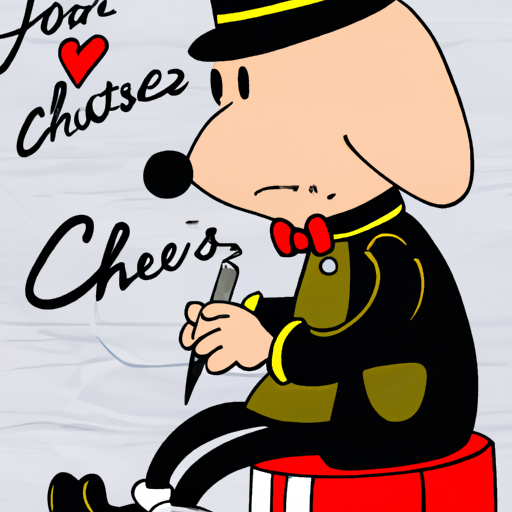
Example of visual style of Charles M Schulz

Charles M Schulz

The Charles M Schulz visual style refers to the iconic art style created by American cartoonist Charles M Schulz. This style gained worldwide recognition through his long-running comic strip 'Peanuts', which was first published in 1950 and continued until Schulz's death in 2000. The simple yet expressive linework, minimal backgrounds, and distinctive character designs made this style famous. Schulz's work beautifully captured the humor, emotions, and complexities of everyday life, particularly through his beloved characters such as Charlie Brown, Snoopy, and Lucy.

View StyleExplore Style
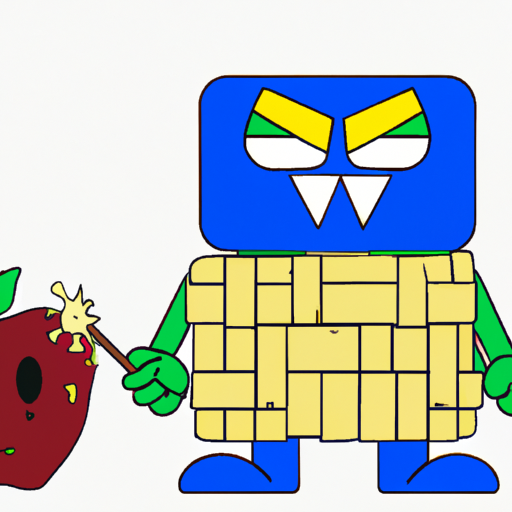
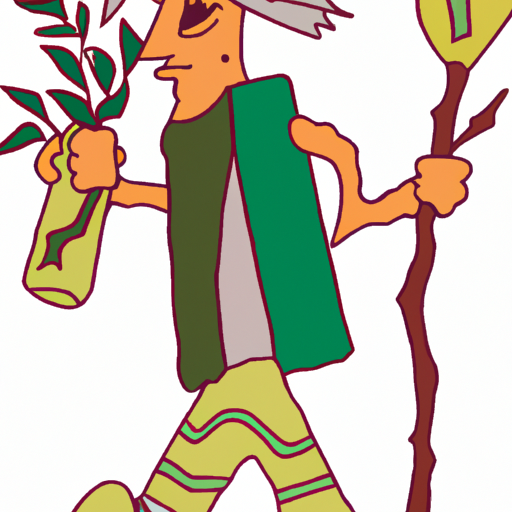
Example of visual style of Gaston Lagaffe

Gaston Lagaffe

Gaston Lagaffe is a comic strip character created by Belgian cartoonist André Franquin in 1957. The visual style of Gaston Lagaffe is characterized by its lively and humorous illustrations and the use of colorful and exaggerated character designs. This style became famous for its light-hearted and slapstick humor, as well as its relatable depiction of an eccentric and absent-minded office worker. Through the years, Gaston Lagaffe has gained a cult following and is admired for its unique blend of comedy and social satire.

View StyleExplore Style
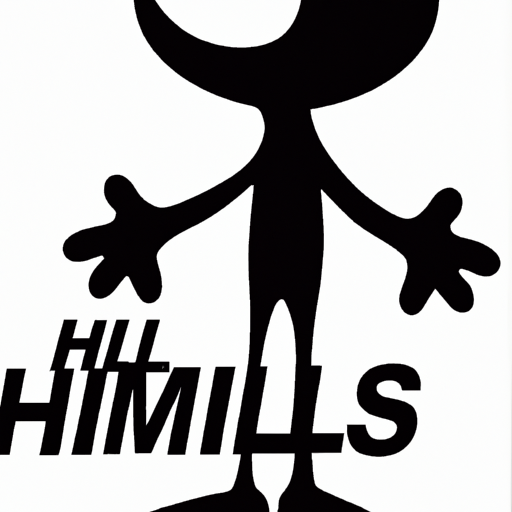
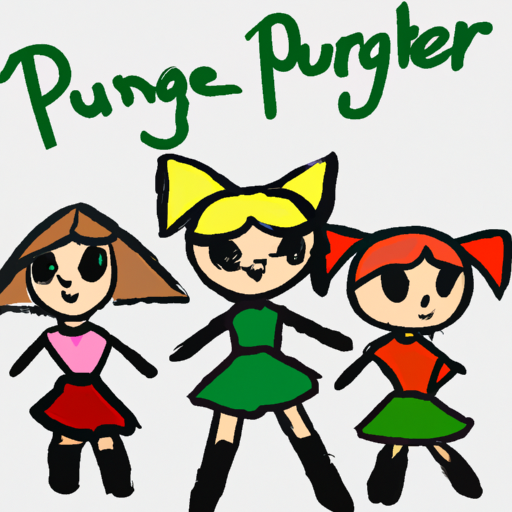
Example of visual style of The Powerpuff Girls

The Powerpuff Girls

The visual style of "The Powerpuff Girls" is characterized by bright and bold colors, simple yet dynamic character designs, and a unique blend of traditional hand-drawn animation with digital techniques. The style, which originated in the late 1990s, became famous for its distinctive art direction and animation style, as well as its clever storytelling and witty humor. The combination of vibrant colors, clean lines, and exaggerated expressions gave the show a visually appealing and energetic look, making it a beloved cartoon of its time.

View StyleExplore Style
Example of visual style of The Simpsons

The Simpsons

The Simpsons is a popular animated television show known for its distinctive and iconic visual style. It was created by Matt Groening and first aired in 1989. The show became famous for its yellow, exaggerated character designs and its satirical and irreverent humor. The visual style of The Simpsons features smooth, rounded shapes, exaggerated eyes, and simple, bold lines. The backgrounds are often colorful and detailed, capturing the essence of a middle-class suburban town. The show has been praised for its witty writing, memorable characters, and its ability to address social and cultural issues through comedy.

View StyleExplore Style
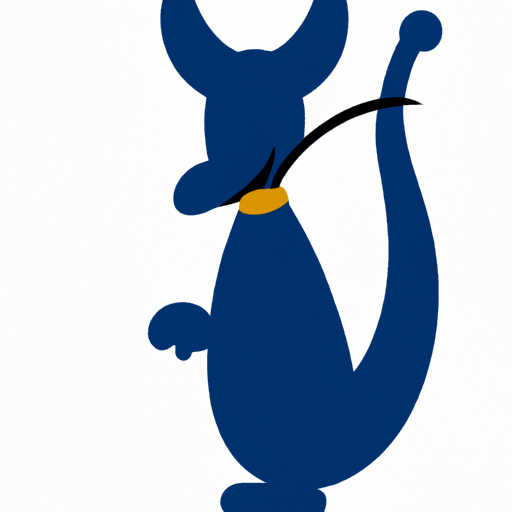
Example of visual style of Tom And Jerry

Tom And Jerry

Tom And Jerry is a classic cartoon visual style that was popularized by the animated series of the same name, which premiered in 1940. This style is characterized by its vibrant and exaggerated animation, featuring slapstick humor and high-energy antics of the titular characters. The visuals are known for their hand-drawn, colorful backgrounds and expressive character designs. The iconic series contributed to the Golden Age of American animation and continues to influence and entertain audiences of all ages.

View StyleExplore Style
Home