
StylopediaStylopedia

Captivating styles on Stylopedia

A visual encyclopedia of captivating styles – use as prompt inspiration for Midjourney, Gemini, or ChatGPT AI when making captivating images

Example of visual style of Adam Stockhausen

Adam Stockhausen

Adam Stockhausen is a visual style known for its meticulous attention to detail and striking design elements. This style gained prominence in the early 2010s through Stockhausen's work in various critically acclaimed films. With a focus on creating immersive and visually captivating environments, Adam Stockhausen's style has been lauded for its seamless integration of production design. He is best known for his work on films such as 'Moonrise Kingdom' (2012) and 'The Grand Budapest Hotel' (2014), which earned him an Academy Award for Best Production Design.

View StyleExplore Style


Example of visual style of Aline Bonetto

Aline Bonetto

Aline Bonetto is a production designer known for her work in film, particularly in the fantasy and science fiction genres. Her visual style is characterized by attention to detail and a strong emphasis on world-building. Bonetto's work became famous in the early 2000s when she collaborated with director Jean-Pierre Jeunet on the films 'Amélie' (2001) and 'A Very Long Engagement' (2004). Her meticulous set designs and imaginative environments created immersive and visually stunning worlds that captivated audiences.

View StyleExplore Style
Example of visual style of Asia

Asia

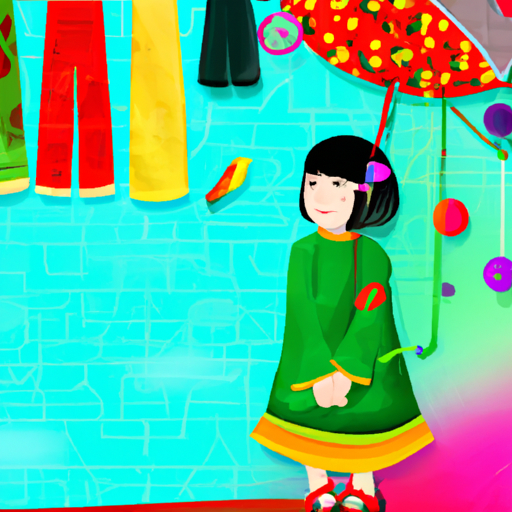
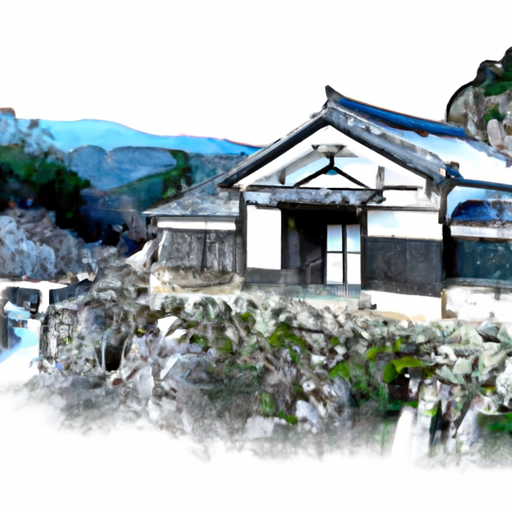
Asia encompasses a diverse range of visual styles that have emerged from various countries in the continent. From the traditional art forms rooted in ancient civilizations to the modern and contemporary expressions, Asia's visual style is rich and captivating. The famous Asian visual styles include Chinese Traditional Art (dating back to 3000 BC), Japanese Ukiyo-e prints (17th-19th century), and Indian Miniature Paintings (16th-19th century). These styles gained fame for their intricate details, vibrant colors, and unique techniques.

View StyleExplore Style
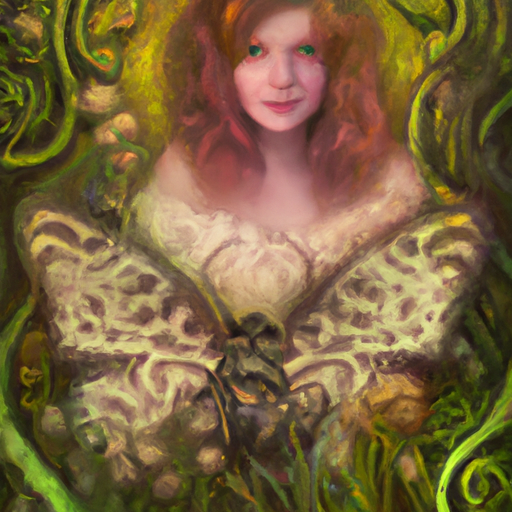
Example of visual style of Brian Frouds Faeries

Brian Frouds Faeries

Brian Froud's Faeries is a captivating visual style known for its intricate and whimsical depictions of faeries and magical creatures. Developed by Brian Froud, an English fantasy artist and conceptual designer, this style gained fame in the 1970s and 1980s through Froud's collaborations with author Alan Lee on the influential book 'Faeries' and the movie 'The Dark Crystal'. Froud's attention to detail and ability to bring fantastical creatures to life made this style widely celebrated and beloved by fantasy enthusiasts and art lovers alike.

View StyleExplore Style
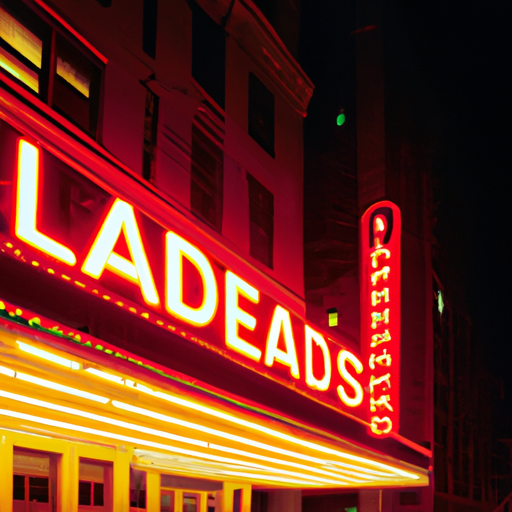
Example of visual style of Chungking Express

Chungking Express

Chungking Express is a visually vibrant and stylish film directed by Wong Kar-wai. Released in 1994, it became famous for its distinctive visual style and innovative storytelling techniques. The film explores themes of love, loneliness, and urban isolation through two intersecting storylines set in the bustling streets of Hong Kong. Wong Kar-wai's unique use of color, lighting, and camera movements creates a dreamlike atmosphere, immersing the audience in the characters' emotional journeys. The film's fragmented narrative and fast-paced editing contribute to its energetic and captivating aesthetic.

View StyleExplore Style
Example of visual style of Dave Fleischer

Dave Fleischer

Dave Fleischer was an American animator and film director who is best known for his work in the 1930s and 1940s. His visual style, known as the 'Fleischer style,' was characterized by bold, exaggerated characters, vibrant and fluid animations, and a highly stylized approach to storytelling. Fleischer and his studio, Fleischer Studios, gained fame for their innovative use of Technicolor, which brought their animated films to life with vivid and dynamic colors. The Fleischer style became famous for its distinct blend of humor, whimsy, and captivating visuals that entertained audiences of all ages.

View StyleExplore Style
Example of visual style of Denis Villeneuve

Denis Villeneuve

Denis Villeneuve is known for his visually stunning and captivating style that blends elements of suspense, noir, and psychological drama. His films often explore dark themes and feature intricate storytelling techniques. Villeneuve's visual style became famous in the early 2010s with films like 'Prisoners' and 'Sicario', which showcased his meticulous attention to detail and atmospheric cinematography. He gained further recognition with the sci-fi film 'Blade Runner 2049' in 2017, known for its breathtaking visuals and dystopian aesthetics.

View StyleExplore Style
Example of visual style of Dragon Ball

Dragon Ball

Dragon Ball is a Japanese manga and anime series created by Akira Toriyama. It was first serialized in 1984 and later adapted into multiple animated television series, movies, and video games. The visual style of Dragon Ball is characterized by vibrant, colorful artwork with a distinctive blend of fantasy and science fiction elements. The characters are often portrayed with exaggerated features, dynamic poses, and intense battle scenes. Dragon Ball became famous for its captivating storytelling, memorable characters, and its influential impact on the anime and manga industry.

View StyleExplore Style
Example of visual style of Elizabeth Taylor

Elizabeth Taylor

Elizabeth Taylor was a glamorous and captivating actress who rose to fame during the 1950s and 1960s. Known for her stunning beauty and violet eyes, she became a prominent figure in Hollywood and was one of the most sought-after actresses of her time. Elizabeth Taylor's signature style was characterized by elegance, femininity, and opulence. She often wore form-fitting dresses, luxurious furs, and sparkling jewelry, exuding a sense of sensuality and sophistication. Her style was influential and continues to be celebrated for its timeless elegance.

View StyleExplore Style
Example of visual style of Franco Belgian Comic Industry

Franco Belgian Comic Industry

The Franco Belgian Comic Industry style emerged in the mid-20th century and is characterized by its distinctive storytelling format and artistic techniques. It gained prominence in the 1950s and 1960s with the works of renowned artists like Hergé and René Goscinny. These comics became famous for their expressive visual storytelling, captivating narratives, and detailed, ligne claire (clear line) art style. The iconic comic series 'The Adventures of Tintin' by Hergé, published from 1929 to 1976, and the humorous 'Asterix' series by Goscinny and Albert Uderzo, beginning in 1959, played significant roles in popularizing this style internationally.

View StyleExplore Style
Example of visual style of Freddie Mercury

Freddie Mercury

The visual style of Freddie Mercury, the iconic lead vocalist of the rock band Queen, was flamboyant, theatrical, and avant-garde. He rose to fame in the 1970s and 1980s, becoming one of the most influential and beloved figures in rock music history. Freddie Mercury's style was characterized by his extravagant stage outfits, including tight-fitting bodysuits, colorful and elaborate costumes, and stunning accessories such as capes and crowns. Known for his high-energy performances, Mercury's stage presence was captivating, and his fashion choices played a significant role in his legendary status.

View StyleExplore Style
Example of visual style of Hiroshi Yamauchi

Hiroshi Yamauchi

Hiroshi Yamauchi was the president of Nintendo during the period from 1949 to 2002. Under his leadership, Nintendo became a major player in the video game industry, transforming it from a small playing card company to a global entertainment powerhouse. Yamauchi's visual style is characterized by innovative and cutting-edge design, pushing boundaries and constantly seeking new ways to captivate audiences. His emphasis on unique gameplay experiences and iconic characters like Mario and Zelda made Nintendo games instantly recognizable and beloved around the world.

View StyleExplore Style
Example of visual style of In Touch Weekly

In Touch Weekly

In Touch Weekly is a visual style that can be characterized by its vibrant and bold aesthetic. It is a popular style in the realm of celebrity gossip and entertainment news magazines. With its eye-catching layouts, colorful typography, and captivating imagery, In Touch Weekly effectively captures readers' attention. The style became famous in the early 2000s as it successfully tapped into society's fascination with celebrity culture and provided an outlet for the latest gossip and news. Its visually stunning covers and engaging content made it a staple in the world of entertainment journalism.

View StyleExplore Style
Example of visual style of Innovative Illustrators

Innovative Illustrators

Innovative Illustrators is a visual style that emerged in the 20th century and continues to evolve to this day. It gained recognition and popularity for combining traditional illustration techniques with innovative approaches and experimental methods. These illustrators pushed the boundaries of traditional art styles and embraced new technologies to create unique and captivating visuals. Notable years for this style include the mid-20th century, when artists such as Saul Bass and Paul Rand revolutionized the field of graphic design with their bold and innovative illustrations, and the present day, where digital illustration tools have opened up even more possibilities for experimentation.

View StyleExplore Style
Example of visual style of Jenn Rayes Artist

Jenn Rayes Artist

The visual style of Jenn Rayes Artist is a modern and vibrant approach to art. Combining bold colors, intricate details, and a touch of surrealism, Jenn Rayes has gained recognition in recent years for her unique style. Her use of vibrant hues and imaginative compositions create visually striking pieces that captivate the viewer. Jenn Rayes became famous for her distinctive style in the late 2010s, as her artworks started gaining popularity on social media platforms and in various art exhibitions.

View StyleExplore Style
Example of visual style of John Knoll

John Knoll

John Knoll is a visual effects artist known for his work in the film industry. He rose to fame in the late 1990s with his groundbreaking visual effects in the movie 'Star Wars: Episode I - The Phantom Menace', which included the creation of the character Jar Jar Binks. Knoll's work in this film, as well as in subsequent films such as 'Star Wars: Episode II - Attack of the Clones' and 'Pirates of the Caribbean: The Curse of the Black Pearl', showcased his mastery of digital compositing and computer-generated imagery. His visual style combines seamless integration of visual effects with live-action footage, creating realistic and captivating scenes.

View StyleExplore Style
Example of visual style of Lawrence Kasdan

Lawrence Kasdan

The Lawrence Kasdan style is characterized by its visually captivating cinematography and attention to detail. It is famous for its use of warm and natural tones, creating a sense of intimacy and realism. This style emerged in the late 1970s and became particularly well-known in the 1980s when Lawrence Kasdan, the renowned American filmmaker, gained recognition for his work on films such as 'The Empire Strikes Back' and 'Raiders of the Lost Ark.' Kasdan's ability to beautifully capture the essence of characters and settings on screen made his visual style highly influential.

View StyleExplore Style
Example of visual style of Loish

Loish

Loish is a digital art style characterized by its vibrant colors, whimsical characters, and captivating storytelling. Developed by Lois van Baarle, a Dutch digital artist, the style gained popularity in the early 2000s through her prolific online presence and unique artistic approach. Loish's work often features imaginative female characters with flowing hair, expressive eyes, and intricate details. The style is known for its seamless blending of organic shapes and elements with digital art techniques, resulting in visually stunning and emotionally evocative illustrations.

View StyleExplore Style
Example of visual style of Mario

Mario

The Mario visual style is associated with the iconic video game character Mario, created by Nintendo. The style gained popularity in the mid-1980s with the release of the first Super Mario Bros. game. The Mario style features bright and colorful 2D pixel graphics, depicting a whimsical and fantastical world filled with unique characters, landscapes, and objects. It is known for its distinctive blocky and pixelated art, vibrant colors, and playful animations. The style became famous for its innovative gameplay, memorable soundtracks, and captivating storytelling, making Mario one of the most beloved and recognizable characters in the history of video games.

View StyleExplore Style
Example of visual style of One Piece

One Piece

One Piece is a Japanese manga and anime series created by Eiichiro Oda. The style of One Piece is characterized by its distinct and exaggerated character designs, vibrant and colorful palette, and a blend of both realistic and cartoonish elements. The art style has evolved throughout the years, with the manga series being serialized since 1997 and the anime adaptation starting in 1999. The unique and dynamic visual style, along with its captivating storytelling and well-developed characters, has contributed to the immense popularity and fame of One Piece worldwide.

View StyleExplore Style
Example of visual style of Piotr Jaboski

Piotr Jaboski

Piotr Jaboski is a visual style known for its vibrant and colorful illustrations that mix surrealism with realism. Emerging in the late 2000s, this style gained popularity through its use of bold color palettes, intricate details, and imaginative compositions. With an emphasis on fantasy and dream-like elements, Jaboski's work often features whimsical characters and enchanted landscapes, creating a sense of wonder and escapism. Piotr Jaboski's unique and captivating style has made a significant impact on the contemporary illustration scene.

View StyleExplore Style
Example of visual style of Sergei Lukyanenko

Sergei Lukyanenko

Sergei Lukyanenko is a Russian science fiction and fantasy author. His visual style can be described as imaginative and captivating. With a focus on blending reality and fantasy, Lukyanenko's works became famous in the late 1990s and early 2000s. He is best known for his Night Watch series, which encompasses a dark urban fantasy world filled with supernatural beings and explores moral and philosophical themes. Lukyanenko's style combines vivid descriptions, intricate world-building, and thought-provoking narratives to create a unique and immersive reading experience.

View StyleExplore Style
Example of visual style of Teletubbies

Teletubbies

Teletubbies is a visually distinctive style that premiered in 1997 and quickly gained popularity worldwide. The show is known for its vibrant color palette, whimsical set design, and its unique characters. The combination of live-action footage with puppetry and animation created a surreal and captivating visual experience for young children. The use of bright colors, soft contours, and playful textures gave the show a cheerful and child-like aesthetic that made it instantly recognizable.

View StyleExplore Style
Example of visual style of Vojtech Kubatá

Vojtech Kubatá

Vojtech Kubatá is a Czech illustrator known for his surreal and whimsical style. Born in 1963, Kubatá has been creating art for over 30 years. His distinct visual style gained popularity in the 1990s and continues to be beloved today. Kubatá's work often features dreamlike landscapes, fantastical creatures, and vibrant colors. He combines traditional and digital techniques to create unique and captivating illustrations. Kubatá's attention to detail and imaginative compositions have made his work stand out in the art world.

View StyleExplore Style
Example of visual style of Yoshida Brothers

Yoshida Brothers

The Yoshida Brothers visual style is characterized by a harmonious blend of traditional Japanese aesthetics and modern elements. With their debut in 1999, the brothers, Ryoichiro and Kenichi, became pioneers in infusing the traditional tsugaru-shamisen music with contemporary styles like rock and pop. Their visually stunning performances, accompanied by the rhythmic and dynamic sound of the shamisen, captivated audiences worldwide. The Yoshida Brothers' fame soared in the early 2000s, as their unique fusion of traditional and modern music created a new wave of interest in Japanese cultural heritage.

View StyleExplore Style
Example of visual style of Yusuke Oono

Yusuke Oono

Yusuke Oono is a Japanese artist known for his unique style of creating three-dimensional illustrations. He gained fame in 2012 when he won the grand prize at the International Art Book and Movie Festival in Japan for his book '360° Book'. Oono's visual style is characterized by intricate laser-cut designs that unfold into elaborate scenes when the book is opened. His style is often described as innovative, captivating, and mesmerizing, pushing the boundaries of traditional book design.

View StyleExplore Style
Home