StylopediaStylopedia

Candid styles on Stylopedia

A visual encyclopedia of candid styles – use as prompt inspiration for Midjourney, Gemini, or ChatGPT AI when making candid images

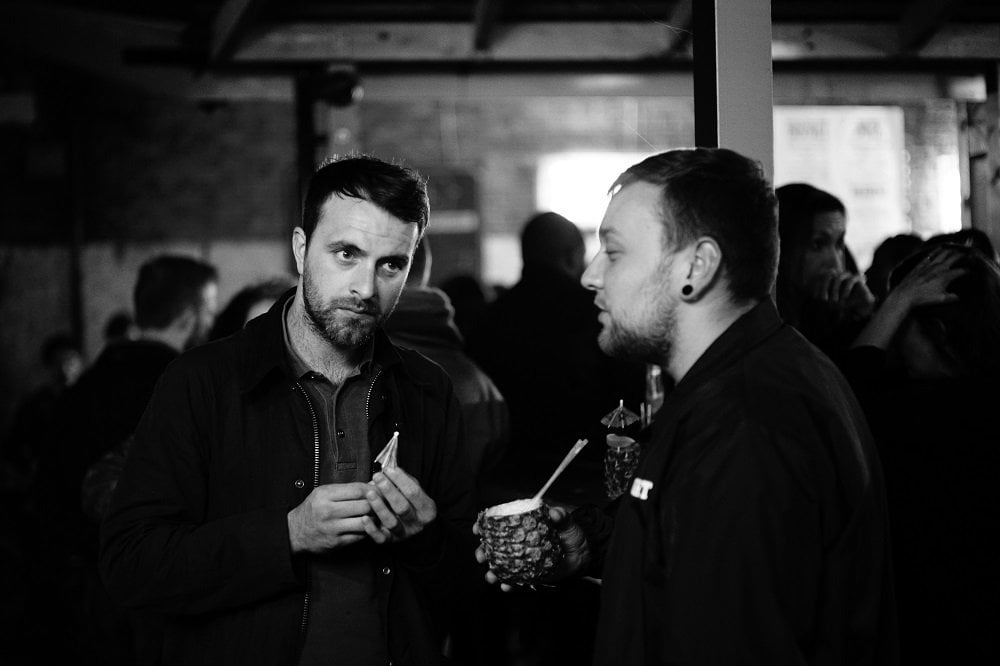
Example of visual style of Dennis Morris

Dennis Morris

Dennis Morris is a visual style that emerged in the 1970s and became famous for its raw and gritty aesthetic. Known for capturing the energy and rebellion of punk culture, Dennis Morris's iconic photographs showcased the music scene in London during the late 1970s. His candid and intimate portraits of influential punk musicians, such as Bob Marley, Sex Pistols, and The Clash, captured the essence of the countercultural movement. Morris's style is characterized by high contrast black and white imagery, capturing the raw emotions and intensity of the subjects.

View StyleExplore Style

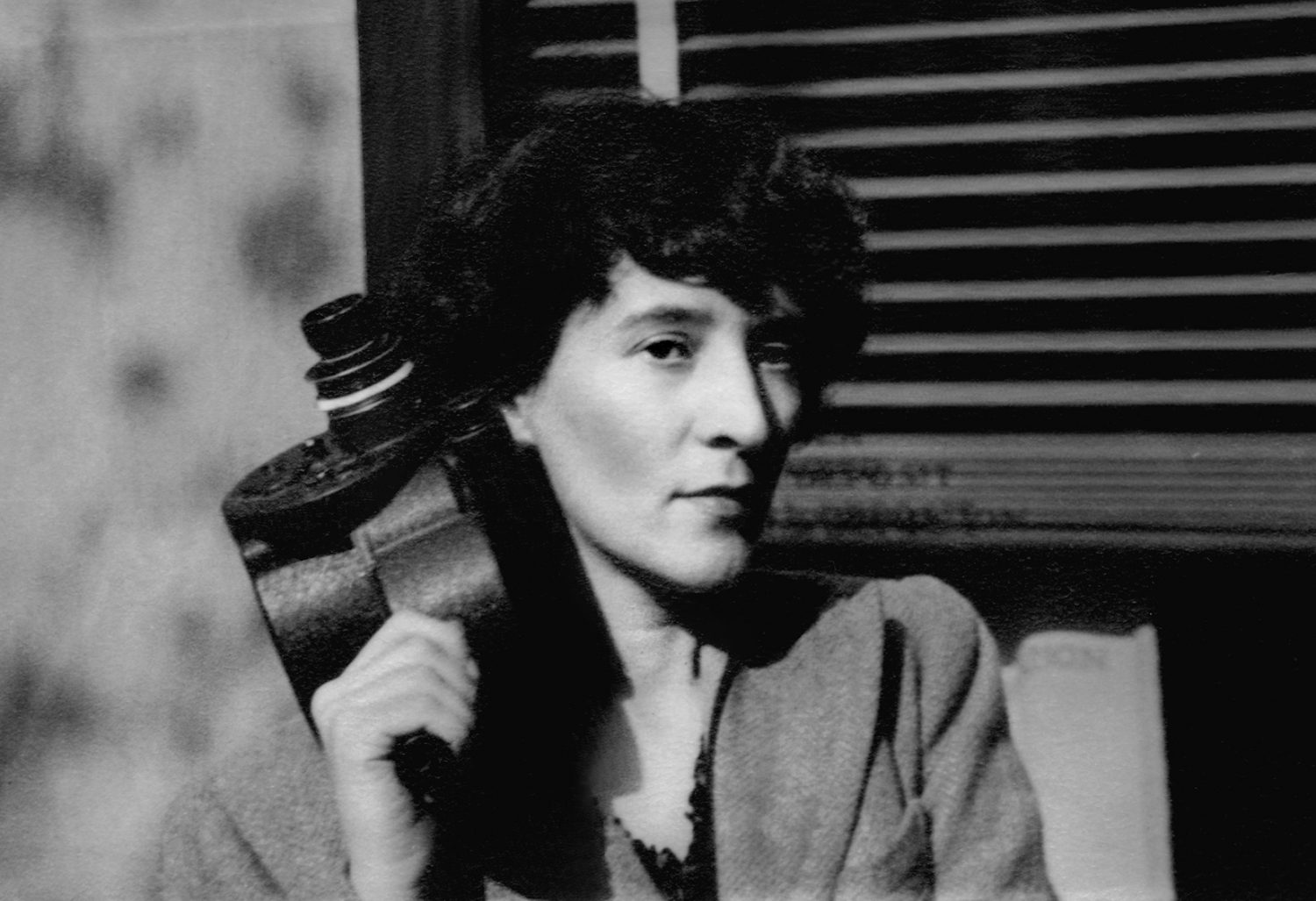
Example of visual style of Garry Winogrand

Garry Winogrand

Garry Winogrand was an American street photographer known for his captivating and candid photographs captured during the 1960s and 1970s. His style emerged during the heyday of post-war America, depicting the energy and complexity of urban life. Winogrand's images were often characterized by a sense of visual chaos, with multiple subjects and overlapping elements. His work documented the social and cultural upheavals of the time, capturing the raw essence of the streets and the humanity within them.

View StyleExplore Style
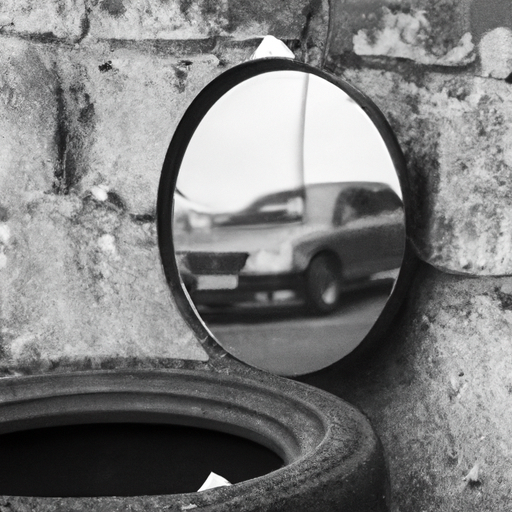
Example of visual style of Helen Levitt

Helen Levitt

Helen Levitt was an American photographer best known for her candid street photography in New York City from the 1930s to the 1990s. Her work captured everyday moments of urban life, particularly focusing on children and their interaction with the city streets. Levitt's signature style was characterized by her use of black and white film, capturing spontaneous and often humorous scenes. Her ability to capture the essence of New York City street life made her famous and influential in the field of street photography.

View StyleExplore Style
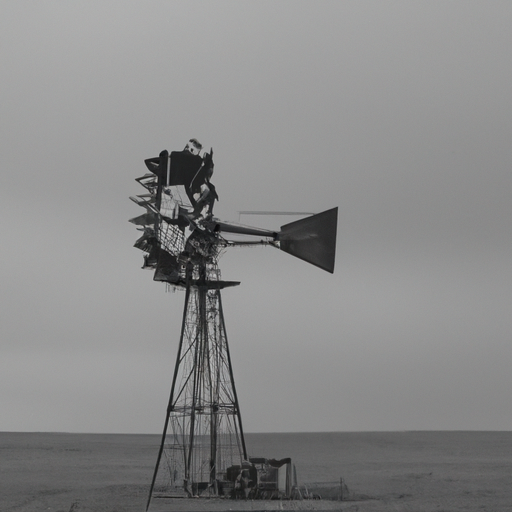
Example of visual style of Henri Cartier-Bresson

Henri Cartier-Bresson

Henri Cartier-Bresson was a French photographer who pioneered the genre of street photography in the 20th century. Active from the 1930s to the 1970s, he is known for his candid and spontaneous images capturing decisive moments of everyday life. Cartier-Bresson's style became famous for his use of a small, lightweight Leica camera that allowed him to blend seamlessly into the environment and capture fleeting moments of human expression and interaction. His work emphasized composition, geometry, and the timing of capturing the perfect moment. He believed in capturing the 'decisive moment', that split second when the elements of a photograph came together in perfect harmony.

View StyleExplore Style
Example of visual style of Larry Clark

Larry Clark

Larry Clark is a photographer and filmmaker known for his raw and gritty visual style. His work gained fame in the 1990s and early 2000s for its voyeuristic and controversial depiction of youth culture. Clark explored themes of skateboarding, drugs, sex, and violence in his photographs and movies, often capturing the edgy and rebellious nature of youth. His documentary-like approach and use of candid, explicit imagery made his work distinct and controversial. Clark's visual style became famous for its unflinching and provocative portrayal of youth subcultures.

View StyleExplore Style
Example of visual style of Robert Frank

Robert Frank

Robert Frank, a Swiss-born American photographer and filmmaker, is famous for his raw and candid photographic style. His most notable work is the book 'The Americans', published in 1958, which documented his journey across the United States from 1955 to 1956. Frank's photographs captured the gritty reality of American life, often showcasing the disillusionment, inequality, and loneliness of the time. His use of unconventional compositions, high contrast, and grainy black and white aesthetic became influential in the world of documentary photography.

View StyleExplore Style
Example of visual style of Street Photography

Street Photography

Street Photography is a genre of photography that captures everyday life and people in public spaces, often in urban environments. It became popular in the early 20th century with the advent of smaller, more portable cameras and the rise of photojournalism. Famous street photographers like Henri Cartier-Bresson and Robert Frank were known for their candid, unposed shots that depicted the raw reality of the streets. The style gained further recognition in the 1950s and 1960s when street photographers documented social and cultural changes. It continues to be a popular genre today, with photographers capturing the bustling energy, diversity, and moments of serendipity found on the streets.

View StyleExplore Style
Example of visual style of Terry Richardson

Terry Richardson

Terry Richardson is known for his raw, provocative, and controversial aesthetic. Rising to fame in the late 1990s, Richardson's style is characterized by stark lighting, gritty locations, and an edgy approach to fashion photography. His images often feature a candid and intimate feel, often involving nudity or sexually charged themes. Richardson's work has been described as voyeuristic and confrontational, attracting both praise for its boldness and criticism for its explicit nature. He is widely recognized for his collaborations with prominent fashion magazines and high-profile celebrities.

View StyleExplore Style
Home