StylopediaStylopedia

Bold lines styles on Stylopedia

A visual encyclopedia of bold lines styles – use as prompt inspiration for Midjourney, Gemini, or ChatGPT AI when making bold lines images

Example of visual style of Albert Uderzo

Albert Uderzo

Albert Uderzo is a French comic artist known for his distinctive visual style characterized by bold lines, vibrant colors, and exaggerated character designs. He is most famous for co-creating the popular comic book series 'Asterix' along with writer René Goscinny. Uderzo's style became widely recognized in the 1960s and 1970s when 'Asterix' gained international popularity. His use of lively and dynamic drawings, hilarious visual gags, and intricate backgrounds have made his artworks iconic in the comic industry.

View StyleExplore Style
Example of visual style of Aleksandr Rodchenko

Aleksandr Rodchenko

Aleksandr Rodchenko was a Russian artist and graphic designer who was a key figure in the Constructivist movement. He is known for his innovative and avant-garde approach to visual art, particularly in the fields of photography, graphic design, and poster art. Active during the early 20th century, Rodchenko's work became famous for its geometric compositions, bold use of lines and shapes, and strong contrast between light and dark. His works often featured dynamic angles and perspectives, reflecting the modern and industrial era. Rodchenko's visual style was highly influential and played a significant role in shaping modern graphic design.

View StyleExplore Style
Example of visual style of Andreas Deja

Andreas Deja

Andreas Deja is a renowned animator known for his distinctive style characterized by strong and bold lines, dynamic poses, and expressive characters. He is best known for his work at Walt Disney Animation Studios, especially his contributions to famous Disney characters like Scar from 'The Lion King', Gaston from 'Beauty and the Beast', and Jafar from 'Aladdin'. Deja's work became particularly famous in the 1990s, during the Disney Renaissance era, when his characters brought a new level of complexity and personality to the screen.

View StyleExplore Style
Example of visual style of Batman The Dark Knight Returns

Batman The Dark Knight Returns

The visual style of Batman The Dark Knight Returns is known for its gritty, dark, and atmospheric look. This style originated in the 1980s with the release of the iconic graphic novel of the same name, written by Frank Miller and illustrated by Klaus Janson. The style gained fame for its mature storytelling, realistic illustration, and intense character designs. The aesthetic of Batman The Dark Knight Returns often features heavy shadows, strong black and white contrasts, bold lines, and a dystopian cityscape, creating a brooding and visually striking atmosphere.

View StyleExplore Style
Example of visual style of Comic Art

Comic Art

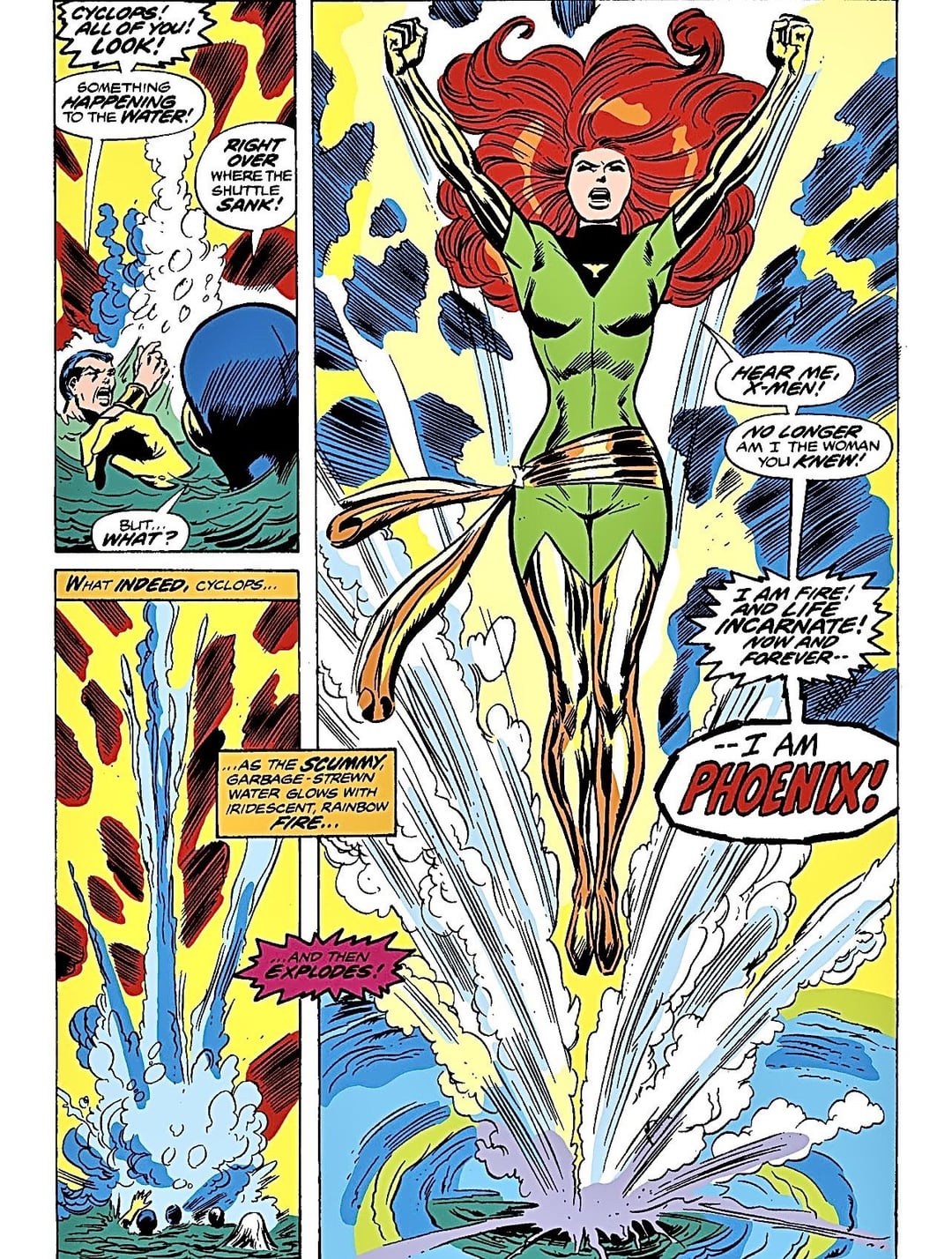
Comic Art is a visual style that originated in the early 20th century and gained popularity through the creation of comic books. It is characterized by exaggerated and colorful illustrations, often featuring bold lines and defined contours. The style became famous in the 1930s with the introduction of iconic comic book characters like Superman and Batman. Comic Art combines storytelling, dialogue, and visual elements to convey narratives in a sequential format, engaging readers of all ages.

View StyleExplore Style
Example of visual style of Comic Artists

Comic Artists

Comic Artists is a visual style that originated in the early 20th century and gained popularity in the mid-20th century. It is characterized by its use of bold lines, vibrant colors, exaggerated proportions, and the incorporation of speech bubbles and onomatopoeic words. This style became famous through the rise of comic books and graphic novels, which became an integral part of pop culture. Comic Artists revolutionized storytelling by combining visual elements with textual narratives to create an immersive experience for readers. Notable years for this style include the Golden Age of Comics in the 1930s and 1940s, as well as the emergence of underground comix in the 1960s and 1970s.

View StyleExplore Style
Example of visual style of Comic Book Noir

Comic Book Noir

Comic Book Noir is a visual style that combines elements of film noir and comic book aesthetics. It emerged in the 1980s and became famous through works like Frank Miller's 'Sin City' series. This style is characterized by high contrast black and white imagery, dramatic lighting, bold lines, and heavy use of shadows. It often features morally ambiguous characters, gritty urban settings, and a sense of mystery and crime. Comic Book Noir captures the dark, atmospheric mood of film noir and translates it into the graphic storytelling of comic books.

View StyleExplore Style
Example of visual style of Comic Strips

Comic Strips

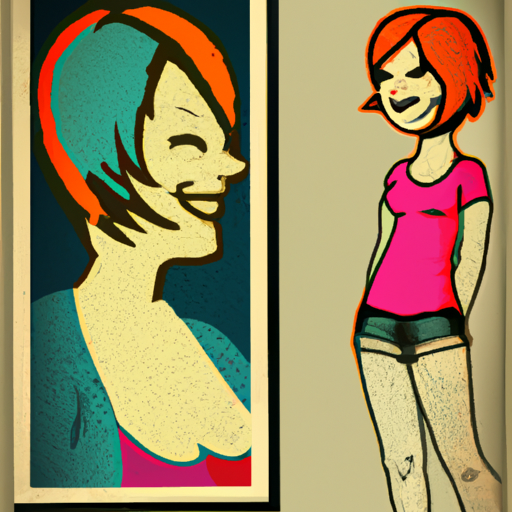
Comic Strips is a visual style that emerged in the early 20th century, primarily in newspaper publications. It gained popularity between the 1930s and 1950s and revolutionized the way storytelling was portrayed visually. Comic Strips are known for their combination of sequential artwork, dialogue bubbles, and captions to narrate stories. The use of bold lines, exaggerated characters, and vibrant colors made this style easily recognizable and appealing to readers. Famous examples of Comic Strips include 'Peanuts' by Charles M. Schulz, 'Garfield' by Jim Davis, and 'Calvin and Hobbes' by Bill Watterson.

View StyleExplore Style
Example of visual style of Egon Schiele

Egon Schiele

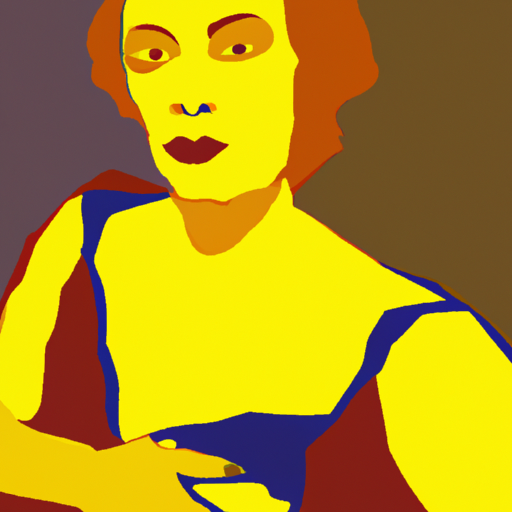
Egon Schiele was an Austrian painter known for his raw, expressionistic style. He was active during the early 20th century, primarily between 1907 and 1918. Schiele's style was characterized by distorted figures, intense emotions, and bold lines. He often portrayed the human form in contorted and uncomfortable poses, challenging traditional notions of beauty and sexuality. His provocative and boundary-pushing art made him famous and has had a lasting influence on modern figurative painting.

View StyleExplore Style
Example of visual style of Eric Stanton

Eric Stanton

Eric Stanton is a visual style that emerged in the mid-20th century as a prominent artist in the field of BDSM and fetish art. Stanton's work gained recognition in the 1950s and 1960s for its provocative and controversial depictions of female dominance and submission. His illustrations often showcased powerful and dominant women engaged in various acts of control and bondage, while also exploring themes of role reversal and female empowerment. Stanton's artistic style combined bold, exaggerated lines and strong contrasts, creating visually striking and stylized images. His work played a significant role in shaping and popularizing the BDSM subculture, gaining a widespread following and influencing subsequent generations of artists and fetish enthusiasts.

View StyleExplore Style
Example of visual style of Gustavo Pantone

Gustavo Pantone

Gustavo Pantone is a contemporary visual style that combines elements of op art, geometric abstraction, and street art. It emerged in the early 2010s and gained popularity for its futuristic and vibrant aesthetics. Pantone's works are characterized by dynamic patterns, bold lines, optical illusions, and a futuristic color palette. His style has become famous for its ability to create visually captivating and immersive experiences, often playing with the viewer's perception and challenging the boundaries of traditional art forms.

View StyleExplore Style
Example of visual style of Harumi Yamaguchi

Harumi Yamaguchi

Harumi Yamaguchi is a Japanese artist known for her distinctive style of illustration characterized by bold lines, vibrant colors, and exaggerated proportions. Her work gained popularity in the 1970s and 1980s, particularly through her illustrations for the Japanese magazine, Unijisushi. Yamaguchi's illustrations often portrayed glamorous women in powerful and seductive poses, capturing the essence of the 70s and 80s feminist movements. Her unique style, combining elements of pop art and fashion illustration, made her famous for her ability to capture the spirit of the era with a sense of boldness and sensuality.

View StyleExplore Style
Example of visual style of Hokusai Katsushika

Hokusai Katsushika

Hokusai Katsushika is a Japanese ukiyo-e artist who lived from 1760 to 1849. His unique and influential art style became famous during the Edo period in Japan. Hokusai's most famous work is the series of woodblock prints titled 'Thirty-Six Views of Mount Fuji', which includes the iconic print 'The Great Wave off Kanagawa'. Hokusai's style is characterized by vivid colors, bold lines, and intricate details, capturing the beauty of nature and everyday life in Japan.

View StyleExplore Style
Example of visual style of Jean Dubuffet

Jean Dubuffet

Jean Dubuffet was a French artist known for his unique visual style characterized by raw and primitive aesthetics. Dubuffet's style emerged in the 1940s and became famous for its use of bold, thick lines, vibrant colors, and textured surfaces. His works often depicted abstract and naive representations of human figures and objects, inspired by graffiti, children's drawings, and outsider art. Dubuffet's style challenged traditional artistic conventions and aimed to capture the raw, unrefined essence of art. He believed in the importance of authenticity, spontaneity, and the art created by non-professional artists and marginalized individuals, which further distinguished his style.

View StyleExplore Style
Example of visual style of Marjane Satrapi

Marjane Satrapi

Marjane Satrapi is a graphic novelist and an illustrator known for her black and white comic book style. Her drawings are characterized by bold lines, simple yet expressive characters, and a minimalist approach. Satrapi rose to fame with her graphic novel series, 'Persepolis', which recounts her experiences growing up in Iran during the Islamic Revolution. This style gained recognition for its ability to convey powerful narratives in a visually compelling way.

View StyleExplore Style
Home