StylopediaStylopedia

Bold brushwork styles on Stylopedia

A visual encyclopedia of bold brushwork styles – use as prompt inspiration for Midjourney, Gemini, or ChatGPT AI when making bold brushwork images

Example of visual style of Asger Jorn

Asger Jorn

Asger Jorn was a Danish painter, sculptor, and ceramic artist who played a vital role in the CoBrA movement. Active in the mid-20th century, Jorn's visual style was characterized by bold, expressive brushwork, vibrant colors, and an emphasis on symbolic and biomorphic forms. His work often explored themes of social critique, spontaneous creativity, and the intersection of art and politics. Asger Jorn's style gained fame in the 1950s and 1960s for its energetic, spontaneous, and rebellious nature.

View StyleExplore Style
Example of visual style of George Bellows

George Bellows

George Bellows was an American painter known for his energetic and realistic portrayals of urban life, particularly in New York City. Active during the early 20th century, Bellows is associated with the Ashcan School - a group of artists who rejected the idealized visions of the Gilded Age and instead sought to depict the gritty reality of everyday urban existence. Bellows became famous for his dynamic, often controversial, depictions of boxing matches, cityscapes, and working-class individuals. His bold brushwork, use of vibrant colors, and ability to capture movement in his subjects set him apart from his contemporaries.

View StyleExplore Style
Example of visual style of Helen Frankenthaler

Helen Frankenthaler

Helen Frankenthaler was an influential American abstract expressionist painter. She rose to prominence in the 1950s and 1960s with her innovative 'soak-stain' technique, which involved pouring thinned paint onto unprimed canvas, allowing it to soak into the fabric and create a vibrant, fluid effect. Her work is characterized by bold, expressive brushwork, translucent layers of color, and a sense of spontaneity and freedom. Frankenthaler's style played a pivotal role in the development of abstract expressionism, and she is often associated with the color field painting movement.

View StyleExplore Style
Example of visual style of Honore Daumier

Honore Daumier

Honore Daumier was a French artist and caricaturist who is known for his satirical and critical portrayal of 19th-century French society and politics. His style emerged in the mid-19th century and gained recognition for its powerful social commentary and use of exaggerated features to depict public figures and ordinary people. Daumier's works became famous for their sharp wit, humor, and keen observation of human behavior. His visual style was characterized by bold and expressive brushwork, dynamic compositions, and a focus on capturing the essence and character of his subjects.

View StyleExplore Style
Example of visual style of Jean Michel Basquiat

Jean Michel Basquiat

Jean Michel Basquiat was an American artist active in the 1980s. His visual style, often referred to as Neo-expressionism, is characterized by bold, expressive brushwork, vibrant colors, and a fusion of graffiti and street art with fine art. Basquiat's work gained recognition for its raw energy, social commentary, and exploration of themes like racism, identity, and capitalism. His use of symbols, text, and abstract forms created a chaotic yet visually stimulating aesthetic that transcended traditional artistic boundaries and captured the spirit of the urban cultural landscape. Basquiat's untimely death in 1988 further cemented his fame and added a sense of tragic allure to his artistic legacy.

View StyleExplore Style
Example of visual style of John Singer Sargent

John Singer Sargent

John Singer Sargent was an American artist known for his portraits and figurative paintings. His style was characterized by a blend of realism and impressionism, capturing the essence of his subjects with bold brushwork and a keen eye for detail. Active in the late 19th and early 20th centuries, Sargent's works showcased his mastery of light, color, and composition, often using dramatic lighting effects to create stunning visual impact. His portraits of high society individuals and landscapes gained him fame and recognition as one of the leading portrait painters of his time.

View StyleExplore Style
Example of visual style of Post Impressionism

Post Impressionism

Post Impressionism emerged in the late 19th century as a reaction against the limitations of Impressionism. This style is characterized by its emphasis on expressing the artist's personal emotions and experiences through bold brushwork, vivid colors, and a departure from naturalistic representation. Post Impressionist artists, like Paul Cézanne, Vincent van Gogh, and Georges Seurat, sought to explore the emotional and symbolic aspects of their subjects. Their use of innovative techniques and unique perspectives made Post Impressionism famous for its avant-garde approach to art.

View StyleExplore Style
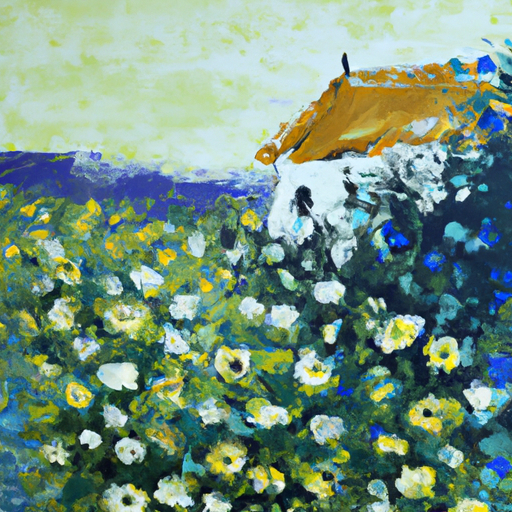
Example of visual style of Rosso Fiorentino

Rosso Fiorentino

Rosso Fiorentino is a visual style that emerged in the 16th century in Florence, Italy. It is characterized by its vibrant colors, dramatic compositions, and emotional intensity. The style gained fame during the High Renaissance period and is known for its bold, dynamic brushwork and expressive figures. Rosso Fiorentino's works often feature exaggerated gestures, intense facial expressions, and a sense of movement. The artist's use of bright reds and deep shadows creates a highly dramatic and atmospheric effect.

View StyleExplore Style
Example of visual style of Shanghai School Of Art

Shanghai School Of Art

The Shanghai School of Art was active from the late 19th century to the mid-20th century in Shanghai, China. It gained fame for its innovative blending of traditional Chinese art techniques with Western influences. This fusion of styles helped to modernize Chinese art and was a response to political and cultural changes during this era. The Shanghai School artists emphasized bold brushwork, vibrant colors, and a focus on depicting the everyday life and culture of Shanghai. Notable years for this art movement were from the 1860s to the 1940s.

View StyleExplore Style
Example of visual style of Tani Buncho

Tani Buncho

Tani Buncho was a prominent Japanese painter and poet during the Edo period (late 18th to early 19th century). His style of painting, known as 'Tani School', became famous for its bold brushwork and vibrant colors. Buncho was greatly influenced by Chinese literati painting, which emphasized capturing the essence of a subject rather than its realistic depiction. He blended this influence with his own innovative techniques, including the use of calligraphic brushstrokes and expressive lines. Tani Buncho's works often portrayed landscapes, birds, flowers, and mythical themes. His artistic contributions and unique style left a lasting impact on the Japanese art scene.

View StyleExplore Style
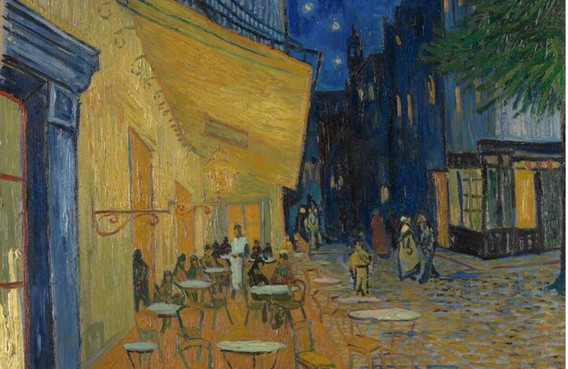
Example of visual style of Vincent Van Gogh

Vincent Van Gogh

Vincent Van Gogh was a post-impressionist artist who pioneered a highly recognizable and dramatic visual style. Born in 1853, Van Gogh became famous posthumously for his innovative and vibrant paintings, particularly those created during the last two years of his life (1888-1890). His style is characterized by bold and expressive brushwork, vibrant colors, exaggerated perspectives, and emotional intensity. Van Gogh's famous works, such as 'Starry Night' and 'Sunflowers,' capture the essence of his personal struggles and emotional turmoil, making him one of the most well-known and influential artists in history.

View StyleExplore Style
Home