
StylopediaStylopedia

Black and white styles on Stylopedia

A visual encyclopedia of black and white styles – use as prompt inspiration for Midjourney, Gemini, or ChatGPT AI when making black and white images

Example of visual style of Adrian Tomine

Adrian Tomine

Adrian Tomine is a Japanese-American illustrator and cartoonist known for his realistic black and white drawings. His style emerged in the 1990s and gained popularity through his comic book series 'Optic Nerve'. Tomine's work focuses on urban themes, daily life, and the flaws and anxieties of modern society, often depicting characters in moments of introspection and vulnerability. His attention to detail, nuanced storytelling, and ability to capture subtle emotions have made him a prominent figure in the alternative comics scene.

View StyleExplore Style
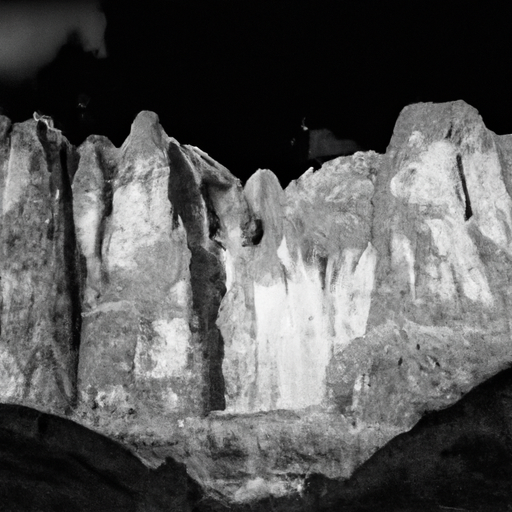
Example of visual style of Ansel Adams

Ansel Adams

Ansel Adams was a renowned American photographer who rose to prominence in the mid-20th century. His black and white landscape photographs, particularly of the American West, became iconic representations of the natural beauty of the United States. Adams is widely celebrated for his precise and meticulous approach to photography, which involved masterful composition, careful use of light and shadow, and extensive darkroom techniques. His works captured the grandeur and sublime qualities of nature, showcasing its vastness, detail, and inherent aesthetics. Ansel Adams' style became famous for its ability to evoke emotional responses from viewers, often leaving them in awe of the majestic landscapes he captured.

View StyleExplore Style
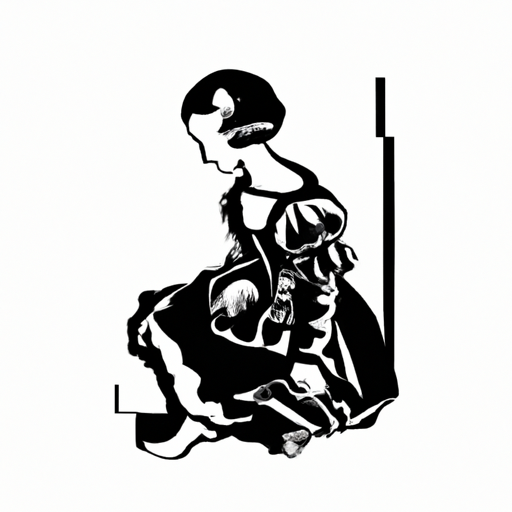
Example of visual style of Aubrey Beardsley

Aubrey Beardsley

Aubrey Beardsley was an English illustrator and author who had a significant influence on the development of Art Nouveau style in the late 19th century. His distinct black-and-white drawings featured intricate and highly stylized lines, often depicting themes of eroticism and the macabre. Beardsley's work gained fame in the 1890s and he became known for his illustrations in influential publications such as 'The Yellow Book' and 'Salomé'. His unique style and controversial subject matter made him a prominent figure in the Aesthetic movement.

View StyleExplore Style
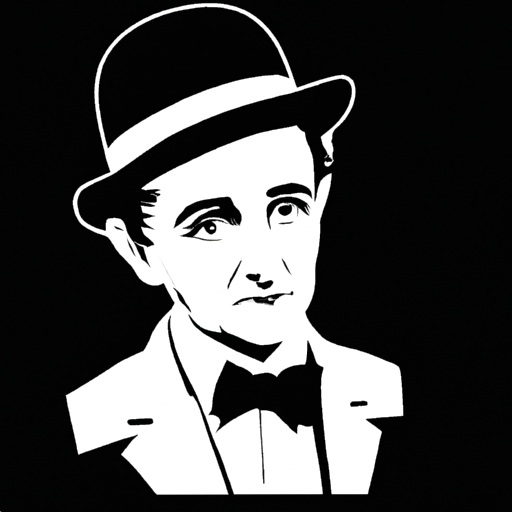
Example of visual style of Blek Le Rat

Blek Le Rat

Blek Le Rat is a street art style developed by French artist Xavier Prou, also known as Blek Le Rat. This style emerged in the early 1980s and gained significant recognition in the 1990s. Blek Le Rat is considered the pioneer of stencil graffiti, using stencils to create distinct and easily recognizable images. His work often features black and white figures, typically depicting ordinary people, political activists, or famous personalities. Blek Le Rat's unique approach to street art and his contribution to the urban art movement have made this style famous both in France and internationally.

View StyleExplore Style
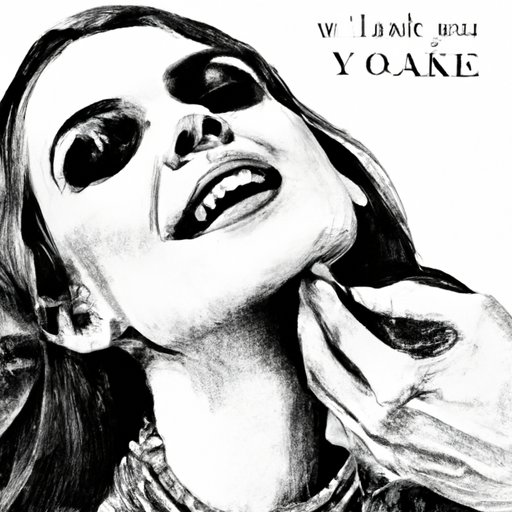
Example of visual style of Bruce Weber

Bruce Weber

Bruce Weber is a fashion and portrait photographer known for his iconic black-and-white images. He gained popularity in the 1980s and 1990s for his distinct style which blended fashion, documentary, and personal photography. Weber's imagery captures a sense of intimacy, often featuring youthful subjects in natural and spontaneous settings. His use of black-and-white photography creates a timeless and nostalgic aesthetic that has become his signature. Weber's work has been widely exhibited and published in fashion magazines, making him one of the most influential photographers of his time.

View StyleExplore Style

Example of visual style of Charles Burns

Charles Burns

The Charles Burns style is a unique blend of dark, surreal and grotesque imagery. Burns gained fame in the late 20th century through his distinctive black and white illustrations in comics and graphic novels. His work is characterized by its intricate linework, stark contrast, and distorted, often unsettling characters. Burns became particularly famous for his graphic novel series 'Black Hole', published from 1995 to 2005, which explored themes of adolescence, sexuality, and body horror.

View StyleExplore Style
Example of visual style of Charlie Brown

Charlie Brown

The visual style of Charlie Brown is a simplistic and minimalistic art style characterized by its hand-drawn, black and white comic strip aesthetic. This style was made famous through the popular comic strip 'Peanuts' created by Charles M. Schulz. Running from 1950 to 2000, 'Peanuts' explored the everyday lives and musings of a group of young children, with Charlie Brown as the central character. The distinctive visual style of 'Charlie Brown' became iconic and instantly recognizable, capturing the essence of childhood innocence and introspection.

View StyleExplore Style
Example of visual style of David Mazzucchelli

David Mazzucchelli

David Mazzucchelli is a comic book artist known for his unique and influential visual style. Active since the 1980s, Mazzucchelli gained fame for his collaborations with writer Frank Miller on groundbreaking comics like 'Batman: Year One' (1987) and 'Daredevil: Born Again' (1986-1987). His style is characterized by detailed and expressive linework, dynamic panel layouts, and a strong focus on storytelling. Mazzucchelli's work is highly regarded for its cinematic quality and ability to convey emotion through visuals. He is known for his masterful use of black and white, as well as his skill in capturing realistic human anatomy and facial expressions.

View StyleExplore Style
Example of visual style of Edward Gorey

Edward Gorey

Edward Gorey is famous for his distinctive black and white pen-and-ink illustrations. His style emerged in the mid-20th century and is known for its macabre and whimsical themes, often depicting mysterious narratives with a Victorian and Gothic influence. Gorey's work gained popularity through his book illustrations, notably 'The Gashlycrumb Tinies' (1963), which features darkly humorous rhymes about the untimely deaths of children. His detailed cross-hatched drawings and uncanny characters have made his style instantly recognizable and influential in the field of dark humor and Gothic art.

View StyleExplore Style
Example of visual style of Edward Steichen

Edward Steichen

Edward Steichen was a renowned American photographer who was influential in shaping the visual style of the 20th century. He was active from the late 19th century through the mid-20th century, and his work helped establish photography as a legitimate form of art. Steichen's images, often characterized by soft lighting, evocative compositions, and exquisite tonalities, showcased his mastery in both black-and-white and color photography. His famous photographs include 'The Pond-Moonlight' (1904) and 'Gloria Swanson' (1924). Steichen's innovative approach to photography and his ability to capture the essence of his subjects made him an influential figure in the history of photography.

View StyleExplore Style
Example of visual style of Francesca Woodman

Francesca Woodman

Francesca Woodman was an American photographer known for her black and white self-portraits. Her works were produced in the late 1970s and early 1980s. Woodman's style is characterized by surreal and haunting compositions, often exploring themes of identity, femininity, and the body. Her photographs blend elements of performance and vulnerability, capturing herself in ethereal and ghostly settings. Woodman's work gained recognition posthumously and has influenced subsequent generations of photographers.

View StyleExplore Style
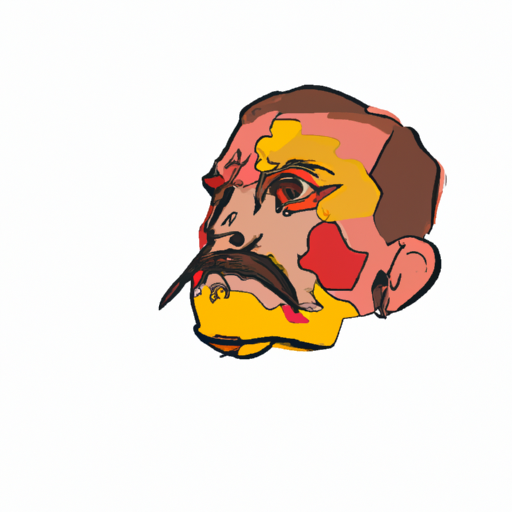
Example of visual style of Gordon Parks

Gordon Parks

Gordon Parks was an American photographer, filmmaker, and writer who became prominent in the mid-20th century. He was known for his unique visual style, characterized by powerful and evocative black and white imagery. Parks captured the realities of African American life and social issues, including poverty, segregation, and the civil rights movement. His work brought attention to these important issues and challenged societal norms, making him famous for his impactful storytelling through photography. His most famous work includes the photo essay 'Harlem Gang Leader' and his fashion photography for Vogue.

View StyleExplore Style
Example of visual style of Guido Crepax

Guido Crepax

Guido Crepax was an Italian comics artist known for his distinctive style that emerged in the 1960s. His illustrations featured intricate linework, bold black and white contrasts, and a unique blend of eroticism and surrealism. Crepax's work became famous for its association with the adult-oriented comic genre and for his iconic character Valentina, a strong and independent female protagonist. His visual storytelling techniques, such as innovative panel layouts and use of psychedelic imagery, greatly influenced the comic art of his time and beyond.

View StyleExplore Style
Example of visual style of Helen Levitt

Helen Levitt

Helen Levitt was an American photographer best known for her candid street photography in New York City from the 1930s to the 1990s. Her work captured everyday moments of urban life, particularly focusing on children and their interaction with the city streets. Levitt's signature style was characterized by her use of black and white film, capturing spontaneous and often humorous scenes. Her ability to capture the essence of New York City street life made her famous and influential in the field of street photography.

View StyleExplore Style
Example of visual style of Helmut Newton

Helmut Newton

Helmut Newton was a renowned fashion photographer known for his provocative and highly stylized black and white photography. His career spanned several decades, with some of his most influential work done in the 1970s and 1980s. Newton's unique visual style often featured strong contrasts, dramatic lighting, and a focus on the female form. He pushed boundaries with his bold and controversial compositions, challenging traditional notions of beauty and sexuality. His work revolutionized fashion photography and continues to inspire photographers to this day.

View StyleExplore Style
Example of visual style of Herb Ritts

Herb Ritts

Herb Ritts (1952-2002) was an American fashion photographer known for his clean, elegant, and sensual black and white portraits. Ritts became famous in the 1980s and 1990s for his iconic photographs of celebrities and models, which often featured bold contrasts, strong lighting, and a focus on the human form. His work showcased a unique blend of art, fashion, and celebrity culture, and his minimalistic approach and use of natural elements created timeless and captivating images.

View StyleExplore Style
Example of visual style of Hernandez Brothers

Hernandez Brothers

Hernandez Brothers is a visual style in comic book illustration that emerged in the 1980s and gained fame through their influential work in the alternative comics scene. Created by the three brothers, Gilbert, Jaime, and Mario, this style is characterized by its distinctive black and white linework, exaggerated figure proportions, and intricate cross-hatching. The Hernandez Brothers are known for their long-running series 'Love and Rockets', which blends elements of science fiction, slice-of-life storytelling, and magical realism. Their groundbreaking work has influenced a generation of comic book artists and has been celebrated for its strong female characters, intricate narratives, and exploration of diverse cultural themes.

View StyleExplore Style
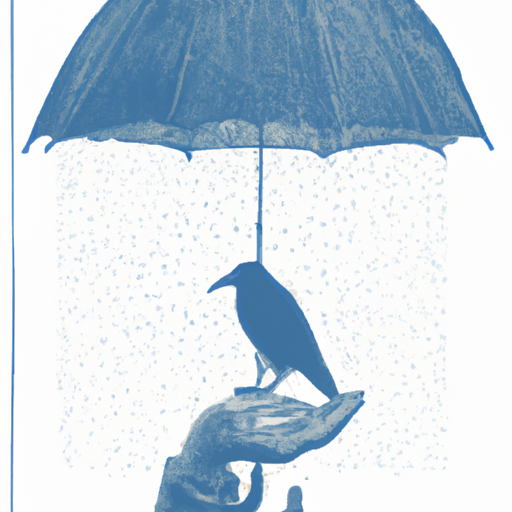
Example of visual style of Hiroshi Sugimoto

Hiroshi Sugimoto

Hiroshi Sugimoto is a contemporary Japanese photographer known for his minimalist and conceptual approach to black and white photography. He gained fame in the 1970s with his series 'Seascapes' and 'Theaters', which explore the concepts of time, memory, and perception. Sugimoto's meticulous compositions and long exposure times create ethereal and timeless images. His work is characterized by its precise framing, high contrast, and exquisite use of light and shadow.

View StyleExplore Style
Example of visual style of Jacques Tardi

Jacques Tardi

Jacques Tardi is a French comic book artist and writer known for his distinctive style of black and white illustrations. His work emerged in the 1970s and gained popularity in the 1980s. Tardi's art is characterized by its gritty and detailed nature, often depicting war, crime, and the dark side of society. His use of stark contrasts, intricate linework, and a limited color palette creates a visually striking and emotionally intense atmosphere in his comics. Tardi's works, such as 'Adèle Blanc-Sec' and 'It Was the War of the Trenches,' have become iconic in the world of graphic storytelling. His art and storytelling are renowned for their historical accuracy and social commentary on events like World War I and the impact of war on individuals.

View StyleExplore Style
Example of visual style of Joy Division

Joy Division

Joy Division is a visual style that emerged in the late 1970s and early 1980s, particularly associated with the famous Manchester band of the same name. The style is characterized by its minimalistic and stark imagery, often in black and white. It is influenced by industrial aesthetics, post-punk culture, and the band's dark and introspective music. The iconic album covers for Joy Division, designed by Peter Saville, played a significant role in popularizing this visual style.

View StyleExplore Style

Example of visual style of JR

JR

JR is a visual style that emerged in the early 2000s and gained popularity through street art. It is characterized by large-scale black and white photographs pasted on outdoor surfaces such as buildings and walls. Jr's work often focuses on social and political issues, and he became famous for his project 'Women Are Heroes', which aimed to highlight the strength and resilience of women around the world. This style gained recognition for its ability to transform urban spaces into powerful and thought-provoking art installations.

View StyleExplore Style
Example of visual style of Margaret Bourke White

Margaret Bourke White

Margaret Bourke White was an American documentary photographer who became known for her iconic, often high-contrast black and white photographs. She was renowned for her ability to capture the monumental scale of industrial landscapes, such as factories and construction sites, as well as for her fearless photojournalism during significant historical events, including World War II. Her work spanned from the 1920s through the 1960s, and she was one of the first female photographers to be hired by major publications, such as Life magazine. Bourke White's unique visual style combined striking composition, dramatic lighting, and a meticulous attention to detail, resulting in powerful images that conveyed both the grandeur and the human impact of modern industrialization.

View StyleExplore Style

Example of visual style of Marjane Satrapi

Marjane Satrapi

Marjane Satrapi is a graphic novelist and an illustrator known for her black and white comic book style. Her drawings are characterized by bold lines, simple yet expressive characters, and a minimalist approach. Satrapi rose to fame with her graphic novel series, 'Persepolis', which recounts her experiences growing up in Iran during the Islamic Revolution. This style gained recognition for its ability to convey powerful narratives in a visually compelling way.

View StyleExplore Style
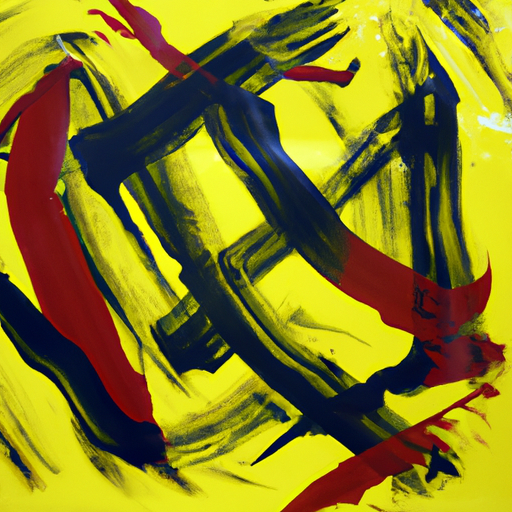
Example of visual style of Night Of The Living Dead

Night Of The Living Dead

Night Of The Living Dead is a visual style that emerged in the late 1960s and early 1970s, particularly popularized by the influential horror film of the same name directed by George A. Romero in 1968. This style is characterized by its gritty and low-budget aesthetic, featuring stark black and white cinematography, realistic or documentary-like camera work, and a focus on tension, suspense, and gore. The film's groundbreaking use of zombies and the apocalyptic narrative has made Night Of The Living Dead a seminal work in the genre, establishing many of the tropes and conventions still seen in modern zombie films today.

View StyleExplore Style
Home