StylopediaStylopedia

Beauty styles on Stylopedia

A visual encyclopedia of beauty styles – use as prompt inspiration for Midjourney, Gemini, or ChatGPT AI when making beauty images

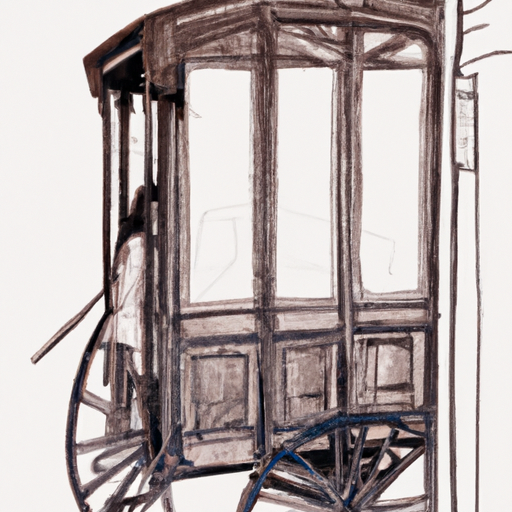
Example of visual style of Aesthetic Movement

Aesthetic Movement

The Aesthetic Movement was an art and design movement that emerged in the late 19th century, particularly in Britain and the United States, and reached its peak between 1868 and 1890. It was a reaction against the industrialization and mass production of the Victorian era, emphasizing the importance of beauty and art for art's sake. The movement aimed to create a visual style that focused on simplicity, harmony, and decorative arts. It became famous for its use of natural motifs, Japanese influence, and the integration of different art forms like painting, sculpture, and interior design.

View StyleExplore Style

Example of visual style of Ang Lee

Ang Lee

Ang Lee's visual style can be described as a blend of realism and artistry. His films often feature stunning cinematography, meticulous attention to detail, and a deep exploration of human emotions. Lee became famous for his groundbreaking work in films such as 'Crouching Tiger, Hidden Dragon' (2000), which popularized the wuxia genre internationally, and 'Brokeback Mountain' (2005), which portrayed a sensitive and nuanced portrayal of a same-sex relationship. With a focus on character-driven narratives, Lee's visual style captures the beauty and complexity of human experiences.

View StyleExplore Style

Example of visual style of Belle Epoque

Belle Epoque

Belle Epoque, or 'Beautiful Era', refers to the period from the late 19th century to the outbreak of World War I in 1914. It was a time of opulence, glamour, and innovation in Europe and the United States. This era saw the rise of modern industrialization, technological advancements, and a flourishing of arts and culture. The Belle Epoque was marked by a commitment to beauty and optimism, with an emphasis on luxurious and ornate designs. The famous landmarks of this period include the Eiffel Tower, the Paris Metro, and the Exposition Universelle. This era is characterized by its grandeur, intricate detailing, and the fusion of different artistic influences.

View StyleExplore Style
Example of visual style of Bertel Thorvaldsen

Bertel Thorvaldsen

Bertel Thorvaldsen was a Danish sculptor who achieved great fame in the early 19th century. His visual style is characterized by neoclassical aesthetics with a focus on idealized forms and classical themes. He gained recognition for his ability to capture the beauty and grace of the human figure, drawing inspiration from ancient Greek and Roman art. His works often portrayed mythological figures, historical figures, and religious subjects. Thorvaldsen's sculptures are known for their meticulous attention to detail, harmonious proportions, and elegant compositions.

View StyleExplore Style

Example of visual style of Classical Greek Art

Classical Greek Art

Classical Greek Art refers to the artistic style of ancient Greece, from approximately the 5th century BC to the 4th century BC. It is known for its emphasis on naturalism, idealism, and balance. This style became famous for its portrayal of human forms, capturing the beauty of the human body and creating sculptures and paintings that demonstrated a deep understanding of anatomy. Classical Greek Art was highly influential in Western art history and set the foundation for later periods such as the Renaissance.

View StyleExplore Style
Example of visual style of Disney Princesses

Disney Princesses

Disney Princesses is a visual style that became famous through the iconic animated films produced by Walt Disney Animation Studios. It emerged in the 1930s with the release of Snow White and the Seven Dwarfs, the first-ever full-length animated feature. This style is characterized by vibrant and colorful visuals, with an emphasis on beauty, grace, and fantasy. The Disney Princesses style evolved over the years, incorporating different artistic techniques and cultural influences. It gained widespread popularity and recognition with films like Cinderella, Sleeping Beauty, The Little Mermaid, Beauty and the Beast, and many others.

View StyleExplore Style
Example of visual style of Eames

Eames

The Eames visual style is a mid-century modern design that emerged in the 1940s and 1950s. It was popularized by the famous American design couple Charles and Ray Eames. Known for its organic forms, clean lines, and innovative use of materials, the Eames style aimed to combine function, comfort, and beauty. The Eames' iconic furniture designs, such as their molded plywood chairs and the Eames Lounge Chair, became symbols of modern design. With their emphasis on functionality, simplicity, and craftsmanship, the Eames style continues to influence contemporary design and architecture.

View StyleExplore Style
Example of visual style of Edward Burne Jones

Edward Burne Jones

Edward Burne Jones was an English artist and designer associated with the Pre-Raphaelite movement. He is known for his intricate and detailed illustrations, paintings, and stained glass designs. Active during the Victorian era in the late 19th and early 20th centuries, his work is characterized by romantic and mythological themes, vibrant colors, and a focus on beauty and idealized figures. Burne Jones' exquisite attention to detail and use of symbolism made him famous as one of the leading figures in the Pre-Raphaelite movement.

View StyleExplore Style
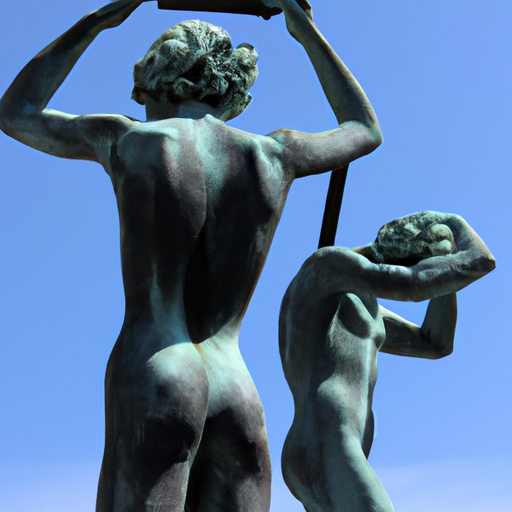
Example of visual style of Fine Art

Fine Art

Fine Art is a style of visual art that emerged during the Renaissance in the 14th century and continues to the present day. It encompasses a wide range of artistic expressions, including painting, sculpture, printmaking, and drawing. Fine Art is characterized by its emphasis on aesthetic and intellectual qualities rather than practical or utilitarian concerns. It is often associated with the pursuit of beauty, creativity, and self-expression. Some famous fine art movements include the Renaissance, Baroque, Impressionism, and Abstract Expressionism.

View StyleExplore Style
Example of visual style of Gary Hume

Gary Hume

Gary Hume is a contemporary British artist known for his distinctive visual style. He gained prominence in the early 1990s as part of the Young British Artists (YBAs) movement. Hume's style can be characterized by his use of vibrant colors, simplified forms, and high-gloss surfaces. He often creates large-scale paintings that explore themes of identity, beauty, and popular culture. His work has been exhibited worldwide and has had a significant impact on the contemporary art scene.

View StyleExplore Style
Example of visual style of Gustav Vigeland

Gustav Vigeland

Gustav Vigeland was a Norwegian sculptor who is famous for his powerful and expressive sculptures. He is best known for his work on the Vigeland Sculpture Park in Oslo, which features over 200 sculptures made between 1924 and 1943. Vigeland's style can be characterized as realistic and highly detailed, with a focus on human figures and emotions. His sculptures often depict the human form in various poses, capturing the complexity and beauty of the human experience. The Vigeland Sculpture Park is a major tourist attraction and has made Vigeland internationally renowned.

View StyleExplore Style
Example of visual style of Heian Period

Heian Period

Heian Period, from 794 to 1185, was a distinctive visual style in Japanese art and culture known for its elegance and refinement. It was a time of peace and prosperity, allowing for the flourishing of art, literature, and architecture. This period is particularly famous for its courtly aesthetics, characterized by graceful, delicate depictions and a love for beauty. The art of this era often featured aristocratic themes, including scenes from court life, exquisite landscapes, and refined portraits of nobles. The meticulous attention to detail and the emphasis on the spiritual and ethereal qualities of the subjects were central to the Heian Period style.

View StyleExplore Style

Example of visual style of Lee Bul

Lee Bul

Lee Bul is a Korean contemporary artist known for her thought-provoking and multidisciplinary works. She rose to prominence in the 1990s with her provocative installations and sculptures. Combining science-fiction imagery, futuristic elements, and references to body politics, her works often explore themes of identity, beauty, and the human condition. Lee Bul's use of unconventional materials and her ability to create immersive environments have made her famous in the art world.

View StyleExplore Style
Example of visual style of Midsommar

Midsommar

Midsommar is a visually captivating style known for its bright and surreal aesthetics. Created by director Ari Aster, it gained popularity with the release of the film 'Midsommar' in 2019. Inspired by Swedish folk traditions and pagan rituals, the style combines elements of horror and beauty to create a uniquely unsettling experience. The film's use of vibrant colors, natural landscapes, and intricate costume designs contribute to its atmospheric and dreamlike visuals.

View StyleExplore Style

Example of visual style of Pin Up Style

Pin Up Style

Pin Up Style refers to the art and fashion style popularized primarily from the 1940s to the 1950s. This style became famous for its highly stylized and glamorous representations of women. Pin Up art often featured seductive yet playful images of women, typically in retro fashion, with emphasis on their curves and alluring poses. The iconic pin up girls were celebrated for their beauty, confidence, and sex appeal, which were conveyed through illustrations, photographs, and magazine covers during this era.

View StyleExplore Style
Example of visual style of Pre Raphaelite Brotherhood

Pre Raphaelite Brotherhood

The Pre Raphaelite Brotherhood was a mid-19th century artistic movement in England. It was famous for its meticulous attention to detail, vibrant colors, and a return to the religious and literary themes of the early Renaissance. The members of the Brotherhood sought to reject the industrialization and mass production of the Victorian era, and instead focused on producing art in a more sincere and genuine manner. They aimed to capture beauty in its purest form, often depicting scenes from mythology, literature, and history. The movement gained significant recognition and influence in the art world during its peak years from 1848 to 1853.

View StyleExplore Style
Example of visual style of Ray Eames

Ray Eames

Ray Eames was a prominent American designer who, along with her husband Charles Eames, made significant contributions to the field of modern design. Working primarily in the mid-20th century, Ray Eames became famous for her innovative and playful approach to design, particularly in furniture and graphic design. Her works are characterized by their clean lines, geometric shapes, and vibrant colors. She was known for her ability to combine functionality with beauty, creating visually appealing designs that were also highly practical. Her style was influential in shaping the modern aesthetic and remains highly regarded in the design world.

View StyleExplore Style
Example of visual style of Sandro Botticelli

Sandro Botticelli

Sandro Botticelli was an Italian painter from the Early Renaissance period. His visual style is characterized by delicate, graceful figures, soft colors, and a poetic atmosphere. Active during the 15th century, Botticelli is famous for his iconic works such as 'The Birth of Venus' and 'Primavera'. His art often depicted mythological themes and Christian subjects, combining a sense of beauty, elegance, and spirituality. Botticelli's attention to detail and use of flowing lines created a distinctive aesthetic that continues to inspire artists to this day.

View StyleExplore Style
Example of visual style of Solve Sundsbo

Solve Sundsbo

Solve Sundsbo is a visual style characterized by vibrant and surreal imagery, often featuring intense color contrasts and intricate post-production editing techniques. This style gained fame in the late 1990s and early 2000s for its innovative and boundary-pushing approach to fashion and beauty photography. Sundsbo's use of digital manipulation and experimentation with lighting and composition led to a distinctive aesthetic that captivated the fashion industry.

View StyleExplore Style
Example of visual style of Uemura Shoen

Uemura Shoen

Uemura Shoen was a prominent Japanese painter known for her elegant and poetic style. Active during the late 19th and early 20th centuries, Shoen's art gained fame for its unique representation of traditional Japanese beauty, particularly of women. Her style was characterized by graceful brushwork, delicate colors, and attention to intricate details. Shoen's paintings often depicted historical and mythological themes, capturing the essence of Japan's cultural heritage. She became famous for her series of bijinga, or paintings of beautiful women, which showcased a fusion of traditional and modern elements. These captivating artworks made Shoen one of the most notable female artists in Japanese history.

View StyleExplore Style
Example of visual style of Vogue

Vogue

Vogue is a highly influential and iconic visual style that emerged in the early 20th century, particularly in the fields of fashion and photography. It became famous through the renowned fashion magazine named 'Vogue', which was first published in 1892. The magazine played a crucial role in defining and popularizing this style throughout the years. Vogue is known for its glamorous, sophisticated, and elegant aesthetic. It encompasses a fusion of fashion, art, culture, and beauty, showcasing the latest trends, couture designs, and captivating editorials. The iconic Vogue covers, featuring famous models, artists, and celebrities, have become synonymous with style and allure.

View StyleExplore Style

Example of visual style of William Adolphe Bouguereau

William Adolphe Bouguereau

William Adolphe Bouguereau was a French academic painter known for his realistic and idealized portrayals of women and mythological subjects. He gained popularity during the late 19th and early 20th centuries for his meticulous attention to detail, use of delicate brushwork, and emphasis on traditional academic techniques. Bouguereau's works were celebrated for their technical proficiency and sentimental subject matter, often depicting classical themes with a focus on beauty and sensuality. He achieved great fame and success in his lifetime and became one of the leading figures of the academic art movement.

View StyleExplore Style

Home