StylopediaStylopedia

Beautiful women styles on Stylopedia

A visual encyclopedia of beautiful women styles – use as prompt inspiration for Midjourney, Gemini, or ChatGPT AI when making beautiful women images

Example of visual style of Keisai Eisen

Keisai Eisen

Keisai Eisen was a Japanese ukiyo-e artist who worked during the late Edo period. He was active from the late 1820s to the 1840s and is known for his captivating depictions of courtesans, actors, and beautiful women. His prints often showcased the fashion, beauty, and lifestyle of Edo (present-day Tokyo) during that time. Eisen's works became famous for their intricate details, refined composition, and exquisite use of color, which captured the elegance and grace of his subjects.

View StyleExplore Style
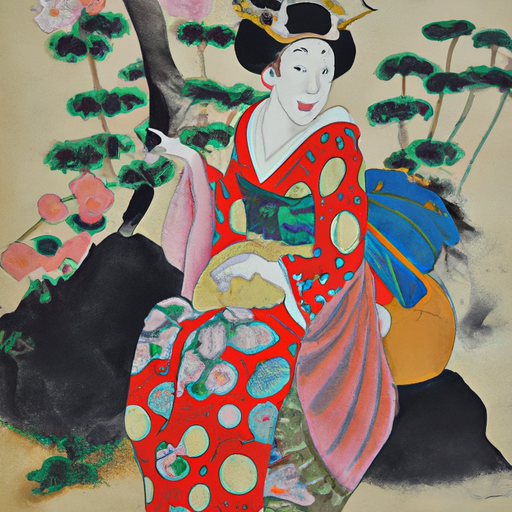
Example of visual style of Kiyomasu Ii Torii

Kiyomasu Ii Torii

Kiyomasu Ii Torii is a Japanese visual style that emerged in the early 18th century, during the Edo period. It is primarily associated with woodblock prints and ukiyo-e art. The style gained prominence during the reign of the Tokugawa shogunate, particularly in the city of Edo (modern-day Tokyo). Kiyomasu Ii Torii is known for its intricate details, vibrant colors, and imaginative depictions of daily life, landscapes, actors, and beautiful women. This style contributed significantly to the popularity of ukiyo-e art, which became highly sought after by both the urban populace and samurai class. Kiyomasu Ii Torii prints are prized for their artistic quality, cultural significance, and portrayal of the essence of Edo society.

View StyleExplore Style
Example of visual style of Kunisada

Kunisada

Kunisada, also known as Utagawa Kunisada, was a prominent ukiyo-e artist in Japan during the 19th century. His style, which emerged in the late 1810s, is characterized by vibrant colors, intricate details, and a focus on depicting actors and beautiful women. Kunisada's prints became particularly famous for their realistic portrayal of Kabuki actors, capturing their facial expressions and elaborate costumes. His style remained popular until the mid-19th century, when the decline of the Edo period led to a decline in the demand for ukiyo-e prints.

View StyleExplore Style
Example of visual style of Kunisada Utagawa

Kunisada Utagawa

Kunisada Utagawa was a prominent ukiyo-e artist in Japan during the Edo period (1781-1865). He gained popularity for his prints which depicted Kabuki actors and beautiful women. From 1800 to 1844, his works captured the essence of the Edo culture and became highly sought-after. Kunisada's style emphasized intricate details, vibrant colors, and dynamic compositions. He utilized various printing techniques to create intricate patterns on clothing and backgrounds. His ability to capture the facial expressions and emotions of the characters made his prints stand out. Kunisada's works were widely circulated and greatly influenced the ukiyo-e genre, making him one of the most celebrated ukiyo-e artists of all time.

View StyleExplore Style
Example of visual style of Suzuki Harunobu

Suzuki Harunobu

Suzuki Harunobu was a Japanese artist known for his woodblock prints. Active during the Edo period (1760s-1770s), his work is considered a major contribution to the development of ukiyo-e, a genre of woodblock prints popular during this time. Harunobu's prints often depicted beautiful women in elegant settings, capturing the aesthetics of the flourishing urban culture in Japan. His innovative use of color and delicate lines set him apart from his contemporaries, and his prints quickly gained popularity for their refined beauty and intricate details.

View StyleExplore Style
Home