StylopediaStylopedia

Authenticity styles on Stylopedia

A visual encyclopedia of authenticity styles – use as prompt inspiration for Midjourney, Gemini, or ChatGPT AI when making authenticity images

Example of visual style of Agnes Varda

Agnes Varda

Agnes Varda's visual style is characterized by her documentary-like filmmaking, blending fiction and reality with a personal touch. Spanning from the 1950s until her death in 2019, Varda's style became famous for its humanistic approach and technical innovation, notably in the French New Wave movement. Varda's use of handheld cameras, natural lighting, and naturalistic performances added a sense of authenticity to her films, capturing the everyday lives and experiences of ordinary people.

View StyleExplore Style
Example of visual style of American Splendor

American Splendor

American Splendor is a visual style that emerged in the late 1970s and gained popularity in the 1980s. It is characterized by a raw, unpolished aesthetic and a focus on depicting the grit and realism of everyday life. This style became famous for its innovative combination of comics and real-life narrative, blurring the line between fiction and reality. American Splendor's emphasis on authenticity and its portrayal of the mundane aspects of American life made it resonate with a wide audience.

View StyleExplore Style
Example of visual style of Ava Duvernay

Ava Duvernay

Ava Duvernay's visual style is characterized by vibrant colors, striking compositions, and a focus on authenticity and representation. Her work gained widespread recognition in the 2010s for its powerful storytelling and social commentary. Duvernay became famous for directing the critically acclaimed film 'Selma' in 2014, which depicted the historic civil rights marches in Selma, Alabama in the 1960s. Through her distinct visual style, Duvernay amplifies the voices of marginalized communities and advocates for social justice.

View StyleExplore Style
Example of visual style of Gus Van Sant

Gus Van Sant

Gus Van Sant's visual style is characterized by his naturalistic approach, focusing on capturing intimate and raw emotions of his characters. His style became famous in the 1990s with films like 'Drugstore Cowboy' (1989), 'My Own Private Idaho' (1991), and 'Good Will Hunting' (1997), which explored themes of alienation, identity, and human connection. Van Sant's use of long takes, handheld camera work, and his ability to create a sense of authenticity through improvisation and non-professional actors, became his distinct hallmark.

View StyleExplore Style
Example of visual style of Jean Dubuffet

Jean Dubuffet

Jean Dubuffet was a French artist known for his unique visual style characterized by raw and primitive aesthetics. Dubuffet's style emerged in the 1940s and became famous for its use of bold, thick lines, vibrant colors, and textured surfaces. His works often depicted abstract and naive representations of human figures and objects, inspired by graffiti, children's drawings, and outsider art. Dubuffet's style challenged traditional artistic conventions and aimed to capture the raw, unrefined essence of art. He believed in the importance of authenticity, spontaneity, and the art created by non-professional artists and marginalized individuals, which further distinguished his style.

View StyleExplore Style
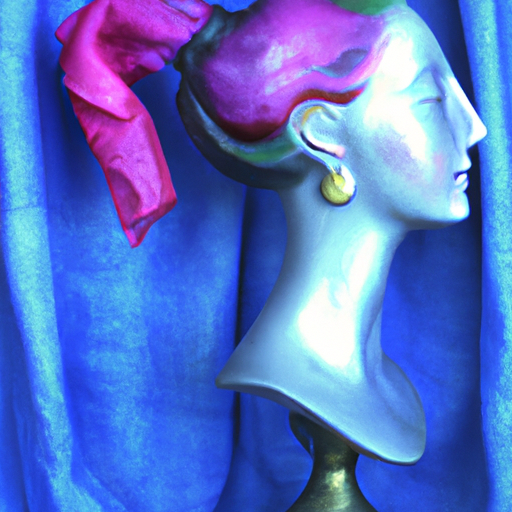
Example of visual style of Luchino Visconti

Luchino Visconti

Luchino Visconti's visual style is characterized by its rich and grandiose aesthetic. From the 1940s to the 1970s, Visconti gained fame for his opulent and detailed production designs, elegant costuming, and meticulous attention to period accuracy. His style often showcased a sense of decadence and grandeur, making use of lavish sets and costumes to transport audiences to different historical eras. Visconti's visual style became particularly famous for its exquisite recreations of aristocratic settings, bringing the past to life on screen with remarkable detail and authenticity.

View StyleExplore Style
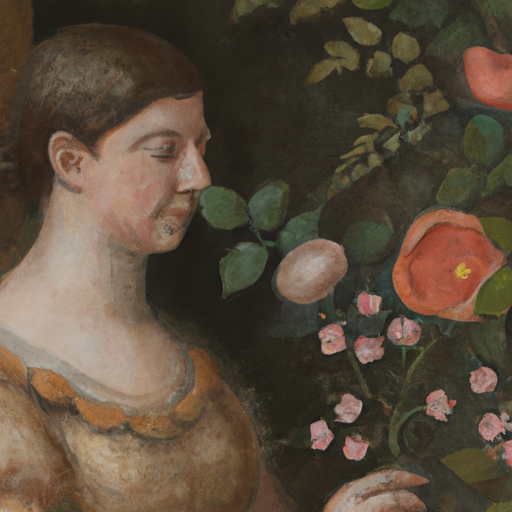
Example of visual style of Thomas Eakins

Thomas Eakins

Thomas Eakins was an American realist painter known for his meticulous attention to detail and his ability to capture the human form in a realistic and intimate manner. He was active in the late 19th century and his paintings often depicted everyday life, particularly in the city of Philadelphia. Eakins became famous for his portraits, which were characterized by their psychological depth and the sense of realism he achieved through his use of light and shadow. His work challenged traditional conventions and his dedication to accuracy and authenticity made him one of the most influential American artists of his time.

View StyleExplore Style
Home