StylopediaStylopedia

Authentic styles on Stylopedia

A visual encyclopedia of authentic styles – use as prompt inspiration for Midjourney, Gemini, or ChatGPT AI when making authentic images

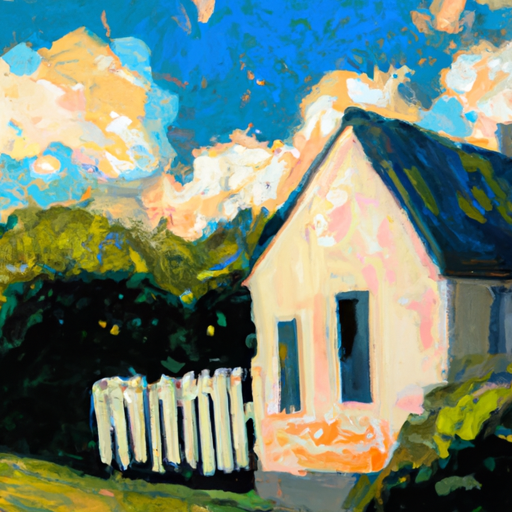
Example of visual style of American Realism

American Realism

American Realism was an art movement that emerged in the late 19th century and became prominent in the early 20th century. It depicted everyday life and scenes in a realistic manner, capturing ordinary people, landscapes, and objects with great attention to detail. This style gained fame for its authentic representation of American society and its focus on the beauty of simplicity and the ordinary. American Realism is often associated with the works of artists such as Winslow Homer, Edward Hopper, and Andrew Wyeth.

View StyleExplore Style
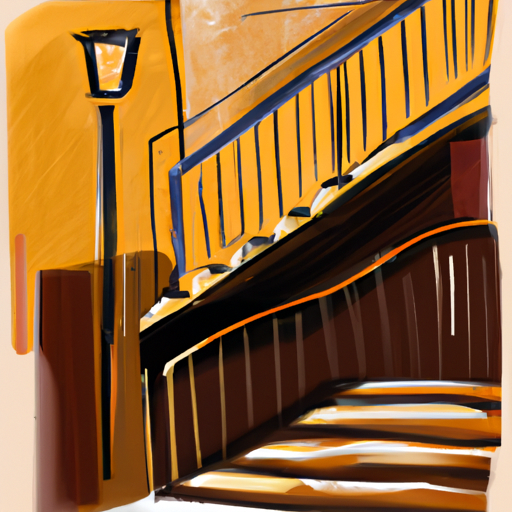
Example of visual style of Cinematic Realism

Cinematic Realism

Cinematic Realism is a visual style that emerged in the mid-20th century and is characterized by its realistic depiction of scenes and subjects, often resembling cinematic frames. It gained prominence during the 1950s and 1960s, with notable contributions from photographers such as William Klein, Robert Frank, and Saul Leiter. This style became famous for its ability to capture the raw emotions and fleeting moments of everyday life, resulting in a sense of authenticity and cinematic aesthetics.

View StyleExplore Style
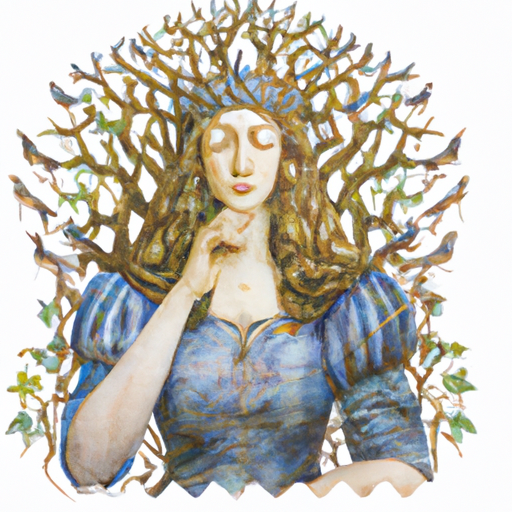
Example of visual style of Outsider Art

Outsider Art

Outsider Art is a style of art created by artists who exist outside the mainstream art world. It is characterized by its raw and unconventional aesthetic, often created by self-taught or marginalized individuals who have little or no formal art training. This style gained recognition in the mid-20th century with the emergence of Jean Dubuffet's 'art brut' concept, which celebrated the authenticity and unique vision of artists operating outside traditional artistic boundaries.

View StyleExplore Style
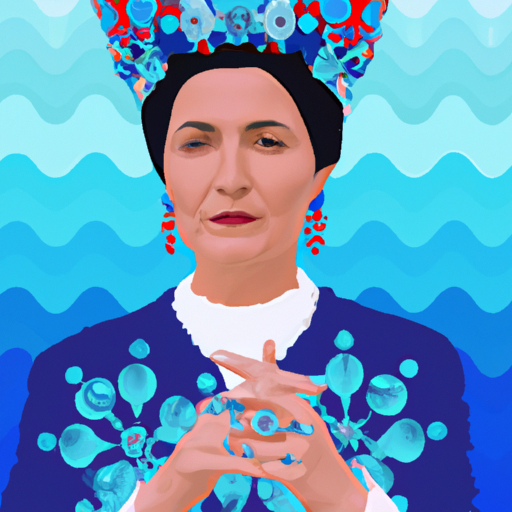
Example of visual style of Patty Jenkins

Patty Jenkins

Patty Jenkins is a film director known for her visually stunning and emotionally engaging storytelling. Her visual style combines a gritty and realistic approach with moments of cinematic grandeur. Jenkins gained fame with her breakthrough film 'Monster' in 2003, which showcased her ability to depict intense human drama with raw authenticity. She is also acclaimed for her work on 'Wonder Woman' in 2017, which captivated audiences with its epic and empowering visuals set against a World War I backdrop.

View StyleExplore Style
Example of visual style of Randy Newman

Randy Newman

Randy Newman is primarily known for his work as a songwriter and composer in the genres of pop, rock, and film music. His visual style, however, can be described as understated and unassuming. It often involves minimalistic album cover designs, simple typography, and straightforward imagery that reflects the sincerity and introspective nature of his music. Newman gained significant prominence in the 1970s with his hits like 'Short People' and 'I Love L.A.', which showcased his distinctive blend of witty and often satirical lyrics with heartfelt melodies. His signature piano-driven sound and his ability to tell stories through his songs have made him a revered figure in American music. Although not known for visually striking aesthetics, Randy Newman's style has become synonymous with authenticity and emotional depth in both his music and visual representation.

View StyleExplore Style
Example of visual style of Roberto Rossellini

Roberto Rossellini

Roberto Rossellini was an Italian filmmaker whose visual style is characterized by a documentary-like approach and neorealist aesthetics. His style became famous in the years following World War II when he directed films such as 'Rome, Open City' (1945), 'Paisan' (1946), and 'Germany, Year Zero' (1948). Rossellini's style aimed to depict reality with a raw and unfiltered lens, often using non-professional actors and real locations to create a sense of authenticity. His films explored social and political issues, emphasizing the experiences of ordinary people. Rossellini's style is known for its realism, natural lighting, handheld camera work, and intimate and personal storytelling.

View StyleExplore Style
Example of visual style of Vittorio De Sica

Vittorio De Sica

Vittorio De Sica was an Italian film director, actor, and screenwriter known for his neorealist style of filmmaking. Active primarily during the 1940s and 1950s, De Sica's visual style was characterized by its raw and unpolished nature, focusing on everyday life and portraying the struggles of ordinary people. His films depicted the harsh realities of post-WWII Italy, showcasing the poverty, social injustice, and despair that gripped the country. De Sica's neorealist approach emphasized natural lighting, non-professional actors, and real locations to achieve a documentary-like effect, giving his films a sense of authenticity and emotional depth.

View StyleExplore Style
Home