StylopediaStylopedia

Audience participation styles on Stylopedia

A visual encyclopedia of audience participation styles – use as prompt inspiration for Midjourney, Gemini, or ChatGPT AI when making audience participation images

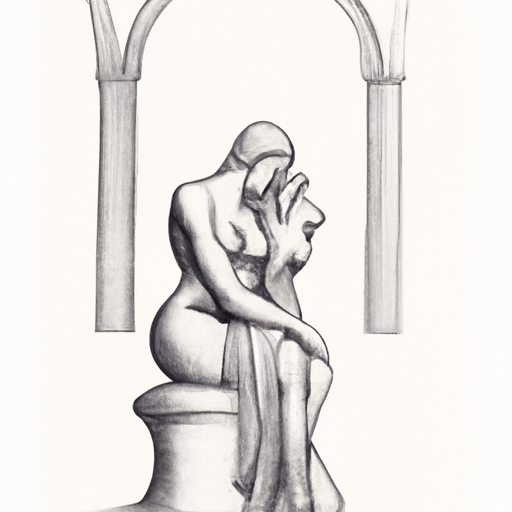
Example of visual style of Fluxus Movement

Fluxus Movement

Fluxus Movement was a global, avant-garde art movement that emerged in the early 1960s. It was known for its experimental and interdisciplinary approach, challenging traditional notions of art. Fluxus artists sought to blur the boundaries between art and life, often creating works that were a combination of visual art, performance, music, and literature. The movement emphasized simplicity, humor, and audience participation. Some famous Fluxus artists include Nam June Paik, Yoko Ono, and George Maciunas.

View StyleExplore Style
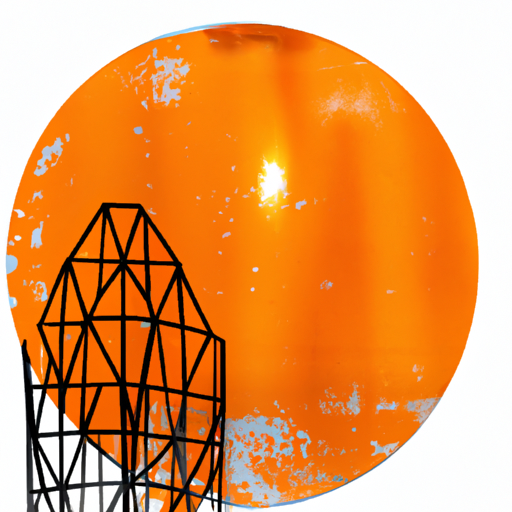
Example of visual style of George Maciunas

George Maciunas

George Maciunas was an influential artist and founder of the Fluxus art movement in the 1960s. His visual style was characterized by a playful and experimental approach, often incorporating elements of performance art and interdisciplinary collaboration. Maciunas embraced a minimalist aesthetic, using simple and geometric forms with a focus on interactivity and audience participation. He is known for creating Fluxus events and festivals, which blurred the boundaries between art and life, challenging established art institutions and exploring new forms of artistic expression.

View StyleExplore Style
Example of visual style of Happening

Happening

Happening is an avant-garde art form that emerged in the late 1950s and gained popularity in the 1960s. It was a performance-based genre that aimed to create spontaneous and interactive experiences for the audience. Happenings were characterized by their unpredictability, incorporating elements of theater, art, music, and everyday life. Influenced by the Fluxus movement, they often involved audience participation, multimedia elements, and were often site-specific. Some notable happenings include Allan Kaprow's '18 Happenings in 6 Parts' (1959) and Claes Oldenburg's 'Store' (1961) which turned a gallery into a mock store. Happenings challenged traditional forms of art and blurred the boundaries between art and life.

View StyleExplore Style
Example of visual style of Marina Abramovi Institute

Marina Abramovi Institute

The Marina Abramovi Institute is a visual style associated with contemporary performance art and experiential installations. Founded in 2004 by Marina Abramovi, a renowned Serbian performance artist, the institute gained fame for its innovative approach to audience participation and immersive art experiences. The institute became particularly famous after Abramovi's retrospective exhibition 'The Artist Is Present' at the Museum of Modern Art in 2010, which featured her iconic durational performance. The Marina Abramovi Institute challenges traditional boundaries of art by merging the realms of performance, sculpture, and the human experience.

View StyleExplore Style
Example of visual style of Yoko Ono

Yoko Ono

The Yoko Ono visual style emerged in the 1960s and became prominent in the realms of conceptual art and performance art. Yoko Ono, a Japanese artist and musician, gained fame for her avant-garde and experimental approach to art. She incorporated elements of Fluxus, a radical art movement known for its anti-art and anti-commercialism stance. Ono's work often challenged traditional art forms, embracing concepts like interactivity, audience participation, and the blending of art and life.

View StyleExplore Style
Home