StylopediaStylopedia

Atmospheric styles on Stylopedia

A visual encyclopedia of atmospheric styles – use as prompt inspiration for Midjourney, Gemini, or ChatGPT AI when making atmospheric images

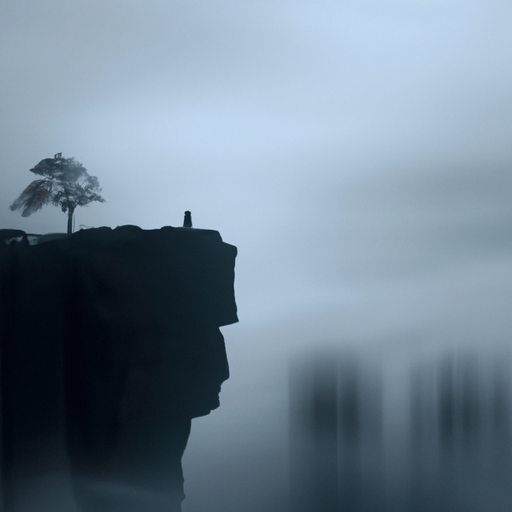
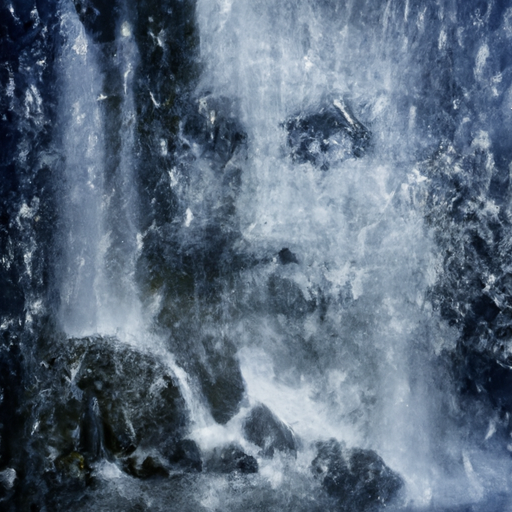
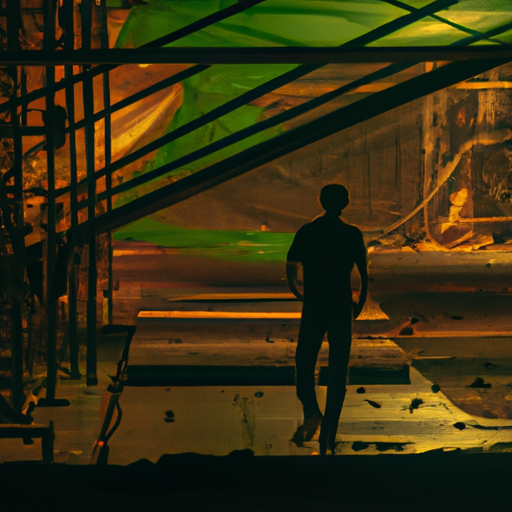
Example of visual style of Andrew Kevin Walker

Andrew Kevin Walker

Andrew Kevin Walker is a renowned American screenwriter known for his dark and gritty visual style. His style emerged in the 1990s and gained recognition through works like the film 'Se7en' released in 1995. Walker's style is characterized by its atmospheric intensity, moody and highly stylized cinematography, and a focus on exploring the dark depths of human nature. His visually striking storytelling often explores themes of crime, psychological turmoil, and moral ambiguity, which made him famous for his unique and haunting visual style.

View StyleExplore Style
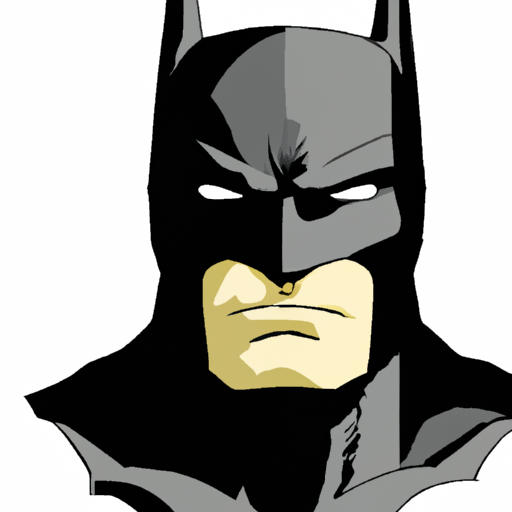
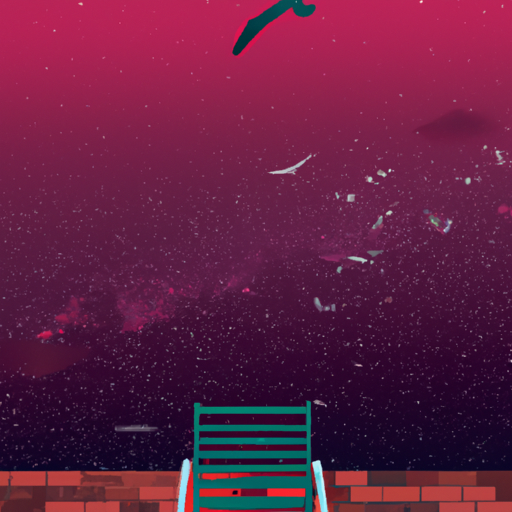
Example of visual style of Batman

Batman

The visual style of Batman is a dark and gritty aesthetic inspired by the popular DC Comics character. It became well-known in the late 1980s and early 1990s with the release of the iconic comic book series 'Batman: The Dark Knight Returns' by Frank Miller and the Tim Burton-directed film 'Batman' starring Michael Keaton. This style is characterized by dramatic use of shadows, atmospheric lighting, Gothic architecture, and a predominantly black color palette. The Batman visual style is famous for its brooding and mysterious atmosphere, reflecting the dark persona of the Caped Crusader.

View StyleExplore Style
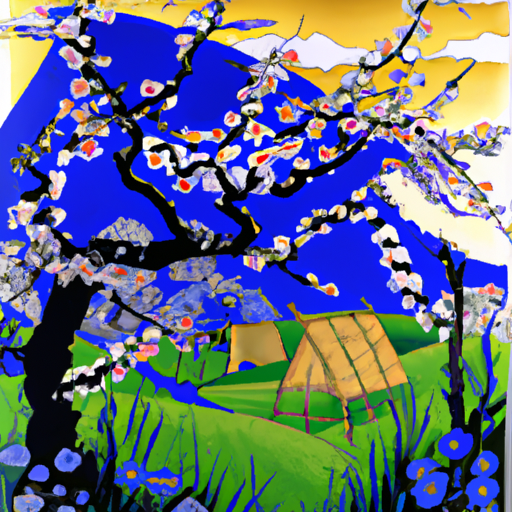
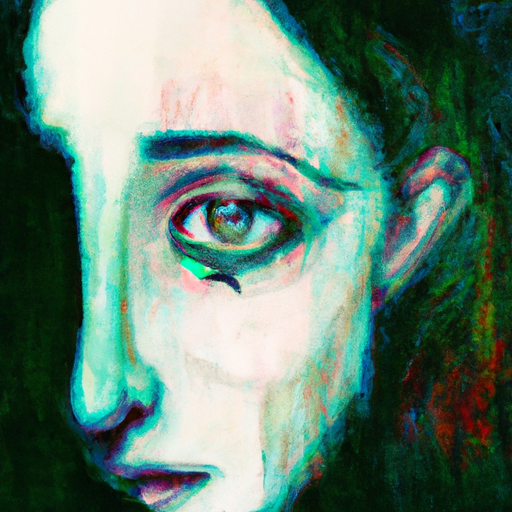
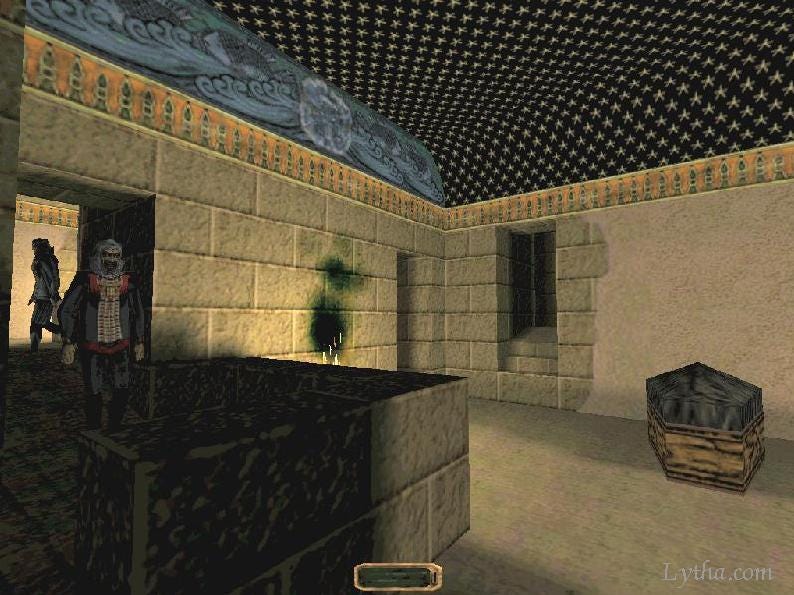
Example of visual style of Batman The Dark Knight Returns

Batman The Dark Knight Returns

The visual style of Batman The Dark Knight Returns is known for its gritty, dark, and atmospheric look. This style originated in the 1980s with the release of the iconic graphic novel of the same name, written by Frank Miller and illustrated by Klaus Janson. The style gained fame for its mature storytelling, realistic illustration, and intense character designs. The aesthetic of Batman The Dark Knight Returns often features heavy shadows, strong black and white contrasts, bold lines, and a dystopian cityscape, creating a brooding and visually striking atmosphere.

View StyleExplore Style
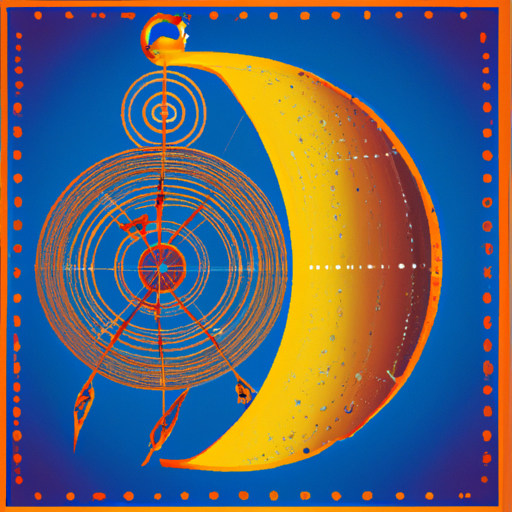
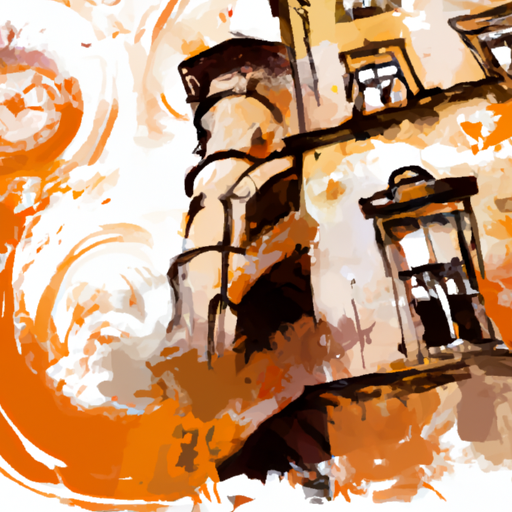
Example of visual style of Beksinski

Beksinski

Beksinski is a gothic and surrealist visual style that emerged in the late 20th century. It is named after the Polish artist Zdzislaw Beksinski, who gained prominence in the 1980s and 1990s. Beksinski's works are characterized by dark, atmospheric landscapes, abstract forms, and distorted figures. Known for his dystopian and apocalyptic themes, Beksinski's art often evokes feelings of melancholy and despair. His unique style combines elements of surrealism, expressionism, and fantasy, creating haunting and otherworldly imagery.

View StyleExplore Style
Example of visual style of Bill Sienkiewicz

Bill Sienkiewicz

Bill Sienkiewicz is a highly influential comic book artist known for his unique and experimental visual style. His style emerged in the 1980s and became highly prominent in the comic industry. Sienkiewicz's iconic work on Marvel's 'Elektra: Assassin' (1986) and 'Moon Knight' (1985-1986) paved the way for his fame. With his groundbreaking use of mixed media, bold brushwork, collage elements, and abstract techniques, Sienkiewicz revolutionized the comic book art form, blurring the lines between traditional illustration and fine art. His atmospheric and emotionally charged images are characterized by their dynamic energy, intense textures, and a distinct blend of realism and abstraction.

View StyleExplore Style
Example of visual style of Bong Joon Ho

Bong Joon Ho

Bong Joon Ho is a South Korean filmmaker known for his distinctive visual style that combines elements of dark humor, social commentary, and genre-bending storytelling. He gained international recognition in the 2000s and 2010s with films such as 'Memories of Murder' (2003), 'The Host' (2006), 'Snowpiercer' (2013), and 'Parasite' (2019). Bong's visual style often features meticulous and atmospheric cinematography, long takes, and a juxtaposition of realistic and surrealistic elements. He is renowned for his ability to seamlessly blend different genres and create thought-provoking narratives that tackle social issues. Bong Joon Ho's films have received critical acclaim and have been celebrated for their innovative storytelling, making him one of the most influential directors in modern cinema.

View StyleExplore Style
Example of visual style of Camille Pissarro

Camille Pissarro

Camille Pissarro was a French Impressionist and Neo-Impressionist artist known for his landscape and urban scenes. Active during the late 19th century, Pissarro's work depicted the natural beauty of rural and urban settings with loose brushstrokes and luminous colors. He often captured the changing atmospheric conditions and light effects of different seasons. Pissarro's innovative artistic style and his role as a mentor to younger artists played a significant role in the development and popularization of Impressionism.

View StyleExplore Style
Example of visual style of Charlotte Bronte

Charlotte Bronte

The Charlotte Bronte visual style is characterized by its romantic and gothic elements, often depicted through moody and atmospheric landscapes, dark color palettes, and strong emotional depth. This style emerged in the 19th century and is closely associated with the works of the English author Charlotte Bronte, particularly her novel 'Jane Eyre'. The style became famous for its portrayal of complex female characters and its exploration of social and psychological issues of the time.

View StyleExplore Style
Example of visual style of Christopher Doyle

Christopher Doyle

Christopher Doyle is a renowned cinematographer known for his visually stunning and poetic style. He gained prominence in the 1990s through his collaboration with Wong Kar-wai on films like Chungking Express and In the Mood for Love. Doyle is known for his use of vibrant colors, unconventional camera angles, and kinetic camera movements, which create a dreamlike and atmospheric visual experience. His distinctive style often captures the urban landscapes of Hong Kong in a way that highlights the beauty and chaos of the city. Doyle's work has significantly influenced the world of cinematography and has made him a celebrated figure in the film industry.

View StyleExplore Style
Example of visual style of Claude Chabrol

Claude Chabrol

Claude Chabrol's visual style is characterized by its naturalistic and observational approach to storytelling. He is often associated with the French New Wave movement of the late 1950s and 1960s. Chabrol gained recognition for his intense psychological dramas and his ability to depict the complexities of human relationships. His films often revolve around themes of betrayal, class conflict, and the dark underbelly of bourgeoisie society. Chabrol's work is known for its atmospheric visuals, intricate plots, and meticulous attention to detail.

View StyleExplore Style
Example of visual style of Crimson Peak

Crimson Peak

Crimson Peak is a visual style that blends elements of Gothic literature and Victorian era aesthetics. It gained prominence in the 19th century and became famous for its eerie and atmospheric settings characterized by decaying mansions, dark hallways, and haunting landscapes. This style is best known for its striking use of deep reds, purples, and dark hues to create an unsettling and haunting ambiance. The visual style of Crimson Peak was popularized by the film of the same name, directed by Guillermo del Toro in 2015.

View StyleExplore Style
Example of visual style of Dario Argento

Dario Argento

Dario Argento is an Italian filmmaker known for his visually stylish and atmospheric horror films. His style emerged in the 1970s and 1980s and became famous for its use of vibrant colors, intricate set designs, and elaborate camera movements. Argento's films are characterized by their intense visual compositions, dynamic editing techniques, and surreal imagery. He is particularly renowned for his mastery of the giallo genre, a type of Italian murder mystery thriller.

View StyleExplore Style
Example of visual style of Dc Extended Universe

Dc Extended Universe

The DC Extended Universe (DCEU) is a visually stunning and dark visual style that gained popularity in 2013 with the release of the film 'Man of Steel'. This style is characterized by its gritty, realistic, and atmospheric approach, emphasizing muted color palettes and high contrast lighting. The DCEU has become well-known for its epic and larger-than-life superhero action sequences, combined with a brooding and serious tone that explores complex themes and moral dilemmas.

View StyleExplore Style
Example of visual style of Denis Villeneuve

Denis Villeneuve

Denis Villeneuve is known for his visually stunning and captivating style that blends elements of suspense, noir, and psychological drama. His films often explore dark themes and feature intricate storytelling techniques. Villeneuve's visual style became famous in the early 2010s with films like 'Prisoners' and 'Sicario', which showcased his meticulous attention to detail and atmospheric cinematography. He gained further recognition with the sci-fi film 'Blade Runner 2049' in 2017, known for its breathtaking visuals and dystopian aesthetics.

View StyleExplore Style
Example of visual style of Dennis Gassner

Dennis Gassner

Dennis Gassner is a renowned production designer known for his visually stunning and immersive style that combines grand scale with meticulous attention to detail. His work is characterized by a strong emphasis on creating unique and atmospheric environments. Gassner gained popularity in the late 1990s and is still active today. He is famous for his collaborations with directors like Sam Mendes and Denis Villeneuve, which resulted in critically acclaimed films such as 'Skyfall' and 'Blade Runner 2049'. Gassner's style became famous for its ability to seamlessly blend practical and digital effects, achieving a highly realistic and cohesive visual presentation.

View StyleExplore Style
Example of visual style of Ennio Morricone

Ennio Morricone

Ennio Morricone is a renowned Italian composer known for his iconic and influential film scores. His style emerged in the 1960s and gained worldwide recognition. Morricone's music is characterized by its innovative use of diverse instruments, unconventional melodies, and dramatic arrangements. He is famous for his work in the Spaghetti Western genre, particularly his collaborations with director Sergio Leone. Morricone's scores helped define the genre with their haunting, atmospheric soundscapes and memorable motifs.

View StyleExplore Style
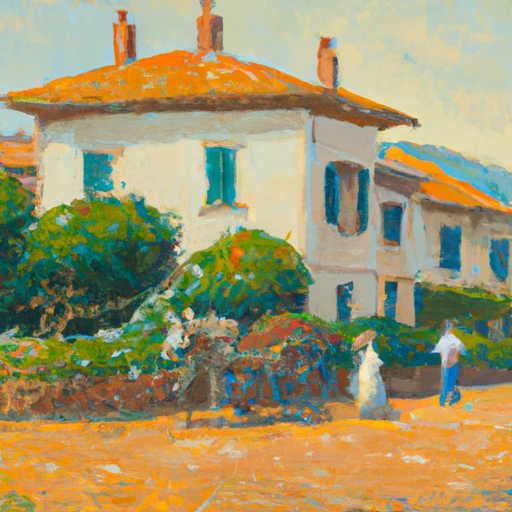
Example of visual style of Fight Club

Fight Club

The visual style of Fight Club can be described as dark, gritty, and edgy. The film, released in 1999, became famous for its unique blend of unconventional storytelling, striking cinematography, and atmospheric visuals. The use of low-key lighting, desaturated colors, and high contrast creates a moody and raw aesthetic that complements the themes of rebellion and disillusionment explored in the movie. Fight Club's visual style became influential in the late 90s and early 2000s, inspiring a number of other films and establishing director David Fincher as a master of visual storytelling.

View StyleExplore Style
Example of visual style of Francis Ford Coppola

Francis Ford Coppola

Francis Ford Coppola is known for his visually striking and immersive storytelling style in cinema. His style emerged in the 1970s and became famous through films like "The Godfather" trilogy and "Apocalypse Now". Coppola's visual style is characterized by his meticulous attention to detail, use of dramatic lighting and shadows, elaborate set designs, and innovative camera techniques. These elements combine to create a visually rich and atmospheric experience for the audience.

View StyleExplore Style
Example of visual style of Giallo Films

Giallo Films

Giallo Films is an Italian genre of thriller and horror movies that emerged in the late 1960s and gained popularity in the 1970s. It is characterized by its intense use of stylized visuals, bright and vivid colors, intricate and convoluted plots, psychological and supernatural elements, as well as shocking scenes of violence and eroticism. Giallo Films often feature a masked killer and explore themes of mystery, murder, and detective investigation. The genre is known for its distinctive blend of suspenseful storytelling, atmospheric cinematography, and haunting musical scores. Giallo Films were highly influential in shaping the modern slasher and psychological horror genres.

View StyleExplore Style
Home