StylopediaStylopedia

Atmosphere styles on Stylopedia

A visual encyclopedia of atmosphere styles – use as prompt inspiration for Midjourney, Gemini, or ChatGPT AI when making atmosphere images

Example of visual style of Barbizon School

Barbizon School

Barbizon School is a 19th-century French art movement named after the village of Barbizon, where a group of landscape painters gathered. It emerged in the 1830s and gained popularity in the mid-19th century. The artists associated with this style sought to depict realistic and rustic landscapes, emphasizing the effects of natural light and the beauty of nature. They often painted en plein air and focused on capturing the atmosphere and mood of the scenes. Barbizon School played a crucial role in the development of Impressionism and inspired many artists to break away from traditional academic painting.

View StyleExplore Style
Example of visual style of Bob Kane

Bob Kane

The Bob Kane visual style is best known for its dark and brooding atmosphere, characterized by heavy use of shadows and dramatic lighting. This style emerged in the late 1930s with the introduction of Batman, a comic book character created by Bob Kane. Kane's artistry and storytelling revolutionized the superhero genre, emphasizing a noir-inspired aesthetic that captivated audiences. The Bob Kane visual style gained significant popularity in the 1940s and 1950s, shaping the iconic look of Batman and Gotham City.

View StyleExplore Style
Example of visual style of Claude Monet

Claude Monet

Claude Monet was a prominent figure in Impressionism, a revolutionary artistic movement that emerged in the late 19th century. His style is characterized by loose brushwork, vibrant colors, and an emphasis on capturing the fleeting effects of light and atmosphere. Monet's famous works, such as 'Impression, Sunrise' (1872), showcased his unique ability to depict the ever-changing nature of landscapes and seascapes. His innovative approach to painting made him a pioneer of modern art.

View StyleExplore Style
Example of visual style of Edouard Vuillard Domestic Space

Edouard Vuillard Domestic Space

Edouard Vuillard Domestic Space is a visual style that emerged in the late 19th and early 20th centuries. It is characterized by its intimate and detailed portrayal of domestic interiors, often focusing on the everyday lives of bourgeois families and their surroundings. Vuillard's paintings gained popularity for their use of rich colors, intricate patterns, and the artist's unique ability to capture the atmosphere and mood of domestic settings.

View StyleExplore Style
Example of visual style of Gothic Literature

Gothic Literature

Gothic Literature is a style of writing that emerged in the late 18th century and gained popularity in the 19th century. It is characterized by a dark, mysterious, and supernatural atmosphere, often set in medieval or gloomy settings. Gothic Literature explores themes of horror, death, madness, and the supernatural. Some famous Gothic literature works include Mary Shelley's 'Frankenstein' (1818) and Bram Stoker's 'Dracula' (1897). This style became famous for its ability to evoke strong emotions and tap into the readers' deepest fears and desires.

View StyleExplore Style
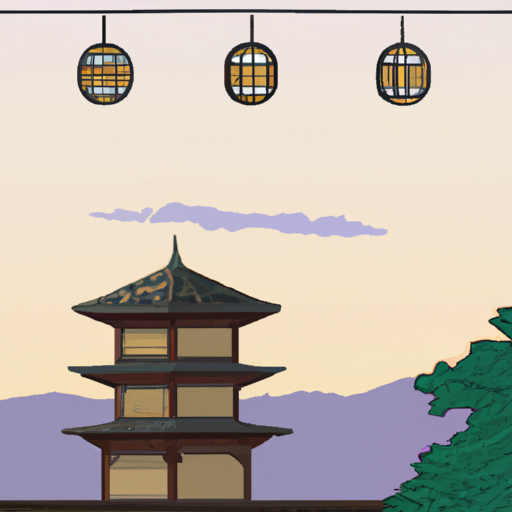
Example of visual style of Hasui Kawase

Hasui Kawase

Hasui Kawase was a Japanese artist known for his woodblock prints. Active during the early 20th century, particularly from the 1910s to the 1950s, Hasui's prints captured the beauty of landscapes and cityscapes in Japan. His style is characterized by delicate lines, vibrant colors, and a strong sense of atmosphere. He often depicted scenes during different seasons and weather conditions, showcasing the changing moods and ambiance of the landscapes. Hasui's prints became famous for their ability to evoke a sense of tranquility and nostalgia, making them highly sought after by art collectors and enthusiasts.

View StyleExplore Style
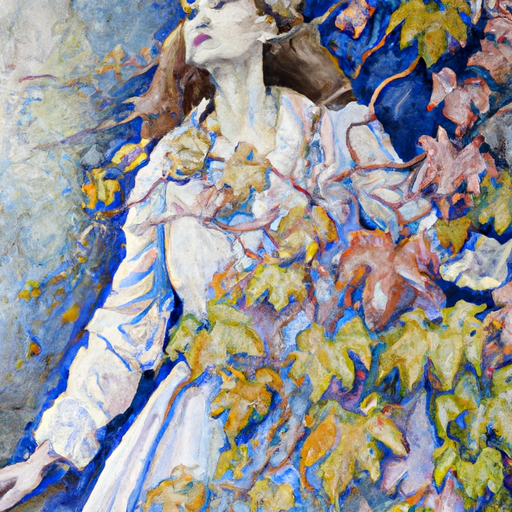
Example of visual style of John La Farge

John La Farge

John La Farge was an American painter, muralist, and stained-glass window designer who became renowned for his innovative use of color in art. Active during the late 19th and early 20th century, La Farge's style emerged as a reaction to the detailed realism of the Hudson River School. He focused on capturing the mood and atmosphere of a subject rather than exact representation. La Farge is best known for his landscapes, marine scenes, and captivating studies of light and color. His experimentation with opalescent glass in his stained-glass windows earned him popularity in this medium as well.

View StyleExplore Style
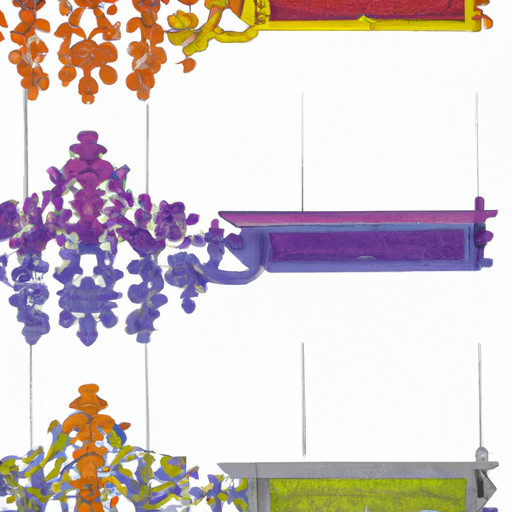
Example of visual style of Michelangelo Antonioni

Michelangelo Antonioni

Michelangelo Antonioni was an Italian film director known for his distinctive visual style. His style is characterized by long, static shots, careful composition, and meticulous attention to detail. Antonioni's films often explored themes of alienation, isolation, and the disconnection between individuals in modern society. He gained fame in the 1960s with films such as L'Avventura (1960), La Notte (1961), and L'Eclisse (1962), which challenged traditional narrative structures and emphasized mood and atmosphere over plot. Antonioni's style became iconic for its use of wide-angle lenses, color symbolism, and architectural framing. His films are known for their exquisite cinematography and their ability to capture emotional and existential complexity.

View StyleExplore Style

Example of visual style of Pissarro

Pissarro

Pissarro is a visual style developed by Camille Pissarro, a French Impressionist painter. This style became famous during the late 19th and early 20th centuries. Pissarro is known for his ability to capture the essence of a scene through loose brushstrokes, vibrant colors, and an emphasis on light and atmosphere. His works often depict landscapes, rural scenes, and everyday life. Pissarro's innovative techniques and dedication to depicting the changing effects of light influenced other Impressionist painters and helped define the movement.

View StyleExplore Style
Example of visual style of Solid Snake

Solid Snake

Solid Snake is a visual style inspired by the character of the same name from the popular video game series Metal Gear Solid. It gained fame in the late 1990s and early 2000s. The style is characterized by a mix of military and stealth aesthetics, featuring a combination of tactical gear, advanced technology, and a dark, gritty atmosphere. Solid Snake became famous for his iconic appearance and stealthy gameplay mechanics, contributing to the popularity of this visual style.

View StyleExplore Style
Example of visual style of William Chang

William Chang

William Chang is a renowned Hong Kong film editor and production designer known for his distinctive visual style. His work became famous during the 1990s and 2000s, particularly through his collaborations with director Wong Kar-wai. Chang's style blends elements of film noir, romanticism, and modernism, creating visually stunning and emotionally evocative compositions. He is known for his meticulous attention to detail, use of bold colors, dynamic camera angles, and his ability to create a heightened sense of atmosphere and mood. Chang's innovative editing techniques, including rapid cuts, fragmented narratives, and non-linear storytelling, have had a profound influence on contemporary film editing.

View StyleExplore Style
Example of visual style of William Turner

William Turner

William Turner, also known as J.M.W. Turner, was an English Romantic painter and is considered one of the greatest masters of landscape painting. Active during the late 18th and early 19th centuries, Turner's style is characterized by his innovative techniques, dramatic use of light and color, and his ability to capture the atmosphere and mood of the landscapes and seascapes he painted. His work often evoked a sense of sublime and the raw power of nature. Turner's unique style made him famous and influential in his time, and he continues to be celebrated as a pioneer of modern art.

View StyleExplore Style

Home