StylopediaStylopedia

Assemblage styles on Stylopedia

A visual encyclopedia of assemblage styles – use as prompt inspiration for Midjourney, Gemini, or ChatGPT AI when making assemblage images

Example of visual style of Anselm Kiefer

Anselm Kiefer

Anselm Kiefer is a German painter known for his expressive and monumental works. His style emerged in the late 1960s and is characterized by a combination of painting, sculpture, and assemblage techniques. Kiefer's artworks often explore themes of memory, history, and the collective German identity. He gained fame in the 1980s for his controversial series 'Heroic Symbols' which reinterpreted Nazi symbols to challenge Germany's past. Kiefer's works are renowned for their large-scale and textured surfaces, often featuring a mix of materials such as straw, clay, ashes, and lead.

View StyleExplore Style

Example of visual style of Arman

Arman

Arman is a visual style that emerged in the mid-20th century during the 1950s and 1960s. It is associated with the French artist Arman (1928-2005), who was one of the key figures of the Nouveau Réalisme movement. Arman is known for his exploration of the relationship between art and everyday objects, often incorporating found objects and assemblages in his works. His style became famous for its emphasis on accumulation, repetition, and the use of everyday materials. Arman's innovative approach challenged traditional notions of artistic creation and expanded the boundaries of art.

View StyleExplore Style
Example of visual style of Dada

Dada

Dada is an art movement that emerged during World War I in Zurich, Switzerland (1916-1922). It is known for its rebellious and anti-art nature, challenging traditional notions of art. Dadaists sought to create an irrational and absurd art that would reflect the chaotic and nihilistic atmosphere of the war. Nonsensical and provocative, Dada rejected the conventional ideas of beauty and purpose, emphasizing random and chance-based techniques. Through collage, assemblage, readymades, and performance art, Dadaists aimed to undermine the established norms and question the role of art in society.

View StyleExplore Style
Example of visual style of Digital Collage

Digital Collage

Digital Collage is a visual style that emerged in the late 20th century and gained prominence in the early 21st century. It is characterized by the creation of artworks using a combination of digital tools and techniques to assemble various visual elements from different sources. Digital Collage allows artists to layer and manipulate images, textures, text, and graphics to create visually striking compositions. This style became famous with the rise of digital technology and the accessibility of image editing software, which enabled artists to experiment and explore new possibilities in visual storytelling and expression.

View StyleExplore Style
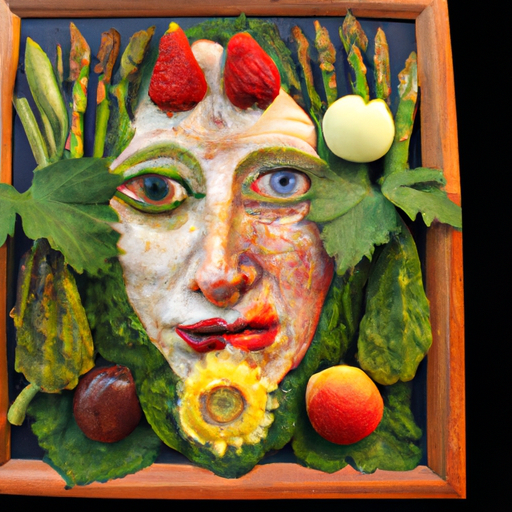
Example of visual style of Giuseppe Arcimboldo

Giuseppe Arcimboldo

Giuseppe Arcimboldo was an Italian painter known for his imaginative and unique style, often referred to as 'composite portraiture'. He rose to fame during the late 16th century in Renaissance Europe. Arcimboldo's distinctive artistic approach involved creating portraits by assembling various objects such as fruits, vegetables, flowers, and even books, into human forms. This experimental technique challenged traditional portraiture and showcased his exceptional creativity and skill.

View StyleExplore Style
Example of visual style of Louise Nevelson

Louise Nevelson

Louise Nevelson is known for her unique assemblage artworks that incorporated found objects and displayed a monochromatic, abstract aesthetic. Her style emerged in the mid-20th century, gaining significant recognition in the 1950s and 1960s. Nevelson's fame stems from her pioneering approach to sculpture, utilizing discarded materials and constructing large-scale installations. Her works often evoke a sense of mystery and grandeur, with intricately layered compositions and a focus on the interplay of light and shadow.

View StyleExplore Style
Example of visual style of Nouveau Realisme

Nouveau Realisme

Nouveau Realisme, also known as New Realism, was an art movement that emerged in France in the early 1960s. It gained popularity during the years 1960-1970. The movement was famous for combining art with everyday objects and materials, blurring the boundaries between art and reality. Artists associated with Nouveau Realisme aimed to depict the world as it was, focusing on urban life, consumerism, and the industrial landscape. They often employed collage, assemblage, and found objects to create their artworks. Nouveau Realisme challenged the traditional notions of art, emphasizing the importance of the ordinary and the real.

View StyleExplore Style
Home