
Aestheticism
A decorative arts movement from the late 19th century that emphasized beauty and art for art's sake. Known for its use of rich colors, ornate patterns, and an emphasis on visual appeal over functionality.
View StyleExplore Style Stylopedia
A visual encyclopedia of artistic styles – use as prompt inspiration for Midjourney, Gemini, or ChatGPT AI when making artistic images
A decorative arts movement from the late 19th century that emphasized beauty and art for art's sake. Known for its use of rich colors, ornate patterns, and an emphasis on visual appeal over functionality.
View StyleExplore Style
The Alchimia Studio visual style emerged in the 1970s and is characterized by its experimental and unconventional approach to design. It gained fame for mixing materials, colors, and forms in unexpected ways to create unique and artistic pieces.
View StyleExplore Style
The visual style of the Allman Brothers Band in the 1970s was characterized by a mix of southern rock, blues, and country elements. Their album covers often featured psychedelic and artistic designs, reflecting the band's improvisational and experimental music style.
View StyleExplore Style
Ancient Roman Art refers to the artistic style developed in ancient Rome between the 4th century BC and the 4th century AD. It was heavily influenced by the art of ancient Greece and Etruria. Some of the most famous works include the iconic sculptures like the Roman copies of Greek statues, such as the 'Dying Gaul' and 'Laocoön and His Sons'. It is also famous for its intricate mosaics, frescoes, and architecture, such as the Colosseum and the Pantheon.
View StyleExplore Style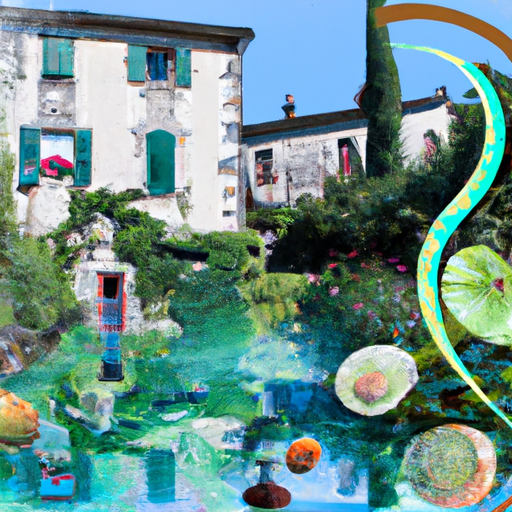
Andrea Branzi is an Italian architect and designer known for his experimental approach to design, blending art and architecture. His work in the 1960s and 1970s challenged traditional design norms and focused on creating innovative and unconventional objects.
View StyleExplore Style
Animated television series are a form of visual storytelling that feature drawings or computer-generated images in a sequential format. They became popular in the early 20th century and have since evolved to include a wide range of genres and styles.
View StyleExplore Style
Ceramic sculpture is a three-dimensional art form created from clay and other materials. It gained popularity in the ancient times and is still widely practiced today.
View StyleExplore Style
Chinese Calligraphy is a traditional art form that dates back to ancient China, characterized by flowing brushstrokes and intricate characters. It became famous for its cultural significance and artistic value.
View StyleExplore Style
Consuelo Castiglioni is known for her eclectic and unconventional style, characterized by bold colors, unique patterns, and unexpected silhouettes. She was the founder of the fashion brand Marni, which gained fame in the early 2000s for its vibrant and artistic designs.
View StyleExplore Style
David Stark is known for his innovative and whimsical approach to event design, blending art, design, and sustainability. His work gained fame in the early 2000s for its creative use of unexpected materials.
View StyleExplore Style
East Asian Calligraphy is a traditional writing style originating in China and Japan. It dates back to ancient times and is characterized by fluid brush strokes, balance, and harmony between characters. This writing style is famous for its expressive and artistic qualities.
View StyleExplore Style
Esquire Covers is a visual style that emerged in the United States in the 20th century. It became famous for its bold and iconic magazine covers featured in Esquire magazine. This style gained prominence in the 1960s and 1970s, showcasing a blend of modern and artistic design elements. The covers often incorporated strong typography, striking photography, and innovative graphic design techniques. Esquire Covers revolutionized the concept of magazine covers, making them both visually captivating and thought-provoking. The covers challenged societal norms and pushed the boundaries of design and visual communication.
View StyleExplore Style
Ettore Sottsass was an Italian architect and designer who became famous for his unique and avant-garde design style. His career spanned from the 1950s to the 2000s, but he made a significant impact during the 1980s with the creation of the Memphis Group. Sottsass is known for his bold use of bright colors, geometric shapes, and unconventional materials. His designs often combine functionality with artistic expression, challenging traditional design norms and embracing a postmodern aesthetic.
View StyleExplore Style
Fashion Illustration is a visual style that emerged in the late 19th century and reached its heyday during the mid-20th century. It involves the creation of stylized and artistic representations of clothing and fashion designs. Fashion Illustration became famous for its ability to capture the essence of fashion trends and showcase them in a visually appealing manner. It gained recognition as an essential medium for advertising garments, designers, and fashion houses. This style is characterized by its emphasis on elegant lines, graceful poses, and detailed renderings. It combines the worlds of fashion and art, creating a bridge between the two.
View StyleExplore Style
Film Festivals is a visual style that emerged in the late 20th century and became famous in the early 21st century. It is characterized by its focus on showcasing a diverse range of films from around the world in a competitive or non-competitive setting. Film festivals became popular in the 1950s and 1960s, with renowned events like the Cannes Film Festival, Venice Film Festival, and Berlin International Film Festival. These festivals gained international recognition for promoting artistic and innovative cinema, and over the years, they have become important platforms for filmmakers, actors, and industry professionals to showcase their work and network with each other. The Film Festivals style is known for its celebration of creativity, cultural diversity, and experimental storytelling.
View StyleExplore Style
French Cinema is known for its artistic and poetic approach to storytelling, characterized by its focus on emotion, visual aesthetics, and introspection. Famous for its contributions to the Nouvelle Vague movement in the 1960s, French Cinema continues to influence filmmakers worldwide.
View StyleExplore Style
Giorgia Lupi is an Italian information designer known for her unique and distinctive visual style. Her work is characterized by playful and artistic data visualizations that merge creativity and analytical thinking. Lupi became famous for her innovative approach to data visualization, which she refers to as 'Data Humanism'. She gained recognition in the early 2010s for her collaboration with the design studio Accurat. Lupi's style emphasizes the human perspective in data-driven storytelling and aims to foster empathy and understanding through her expressive and narrative visualizations.
View StyleExplore Style
Heian Culture refers to the visual style that emerged during the Heian period in ancient Japan, which lasted from 794 to 1185. This period was marked by a flourishing artistic and cultural scene. The Heian Culture is famous for its exquisite and lavish displays of art, literature, and fashion. It was during this time that the Tale of Genji, considered the first novel in the world, was written by Lady Murasaki Shikibu. The elegant and refined aesthetic of the Heian Culture continues to inspire and captivate people to this day.
View StyleExplore Style
Ingo Maurer is a German lighting designer known for his innovative and artistic approach to lighting design. His style, which emerged in the 1960s and remains influential today, is characterized by a playful combination of light and materials. Maurer's designs often incorporate unexpected elements, such as flying objects or illuminated garments, that challenge traditional notions of lighting. His use of cutting-edge technologies and unconventional materials has made him a prominent figure in the field of contemporary lighting design.
View StyleExplore Style
Iris Van Herpen is a visionary avant-garde fashion designer known for her innovative and futuristic designs. Her style is characterized by the fusion of technology, craftsmanship, and art. With her unique and boundary-pushing creations, Van Herpen has made a significant impact on the fashion industry since the early 2010s, gaining recognition and popularity among fashion enthusiasts worldwide.
View StyleExplore Style
A visually stunning and dark take on the magical girl genre, known for its unique art direction and symbolic imagery. Created in 2011 by studio Shaft, the series gained fame for its deconstruction of typical tropes in the genre.
View StyleExplore Style
Mark Gonzales is known for his innovative and playful approach to street skateboarding, art, and fashion. His style emerged in the late 1980s and continues to influence the worlds of skateboarding and art.
View StyleExplore StyleMayan hieroglyphics refer to the intricate and symbolic writing system used by the ancient Mayan civilization between 250-900 AD. These hieroglyphs were made famous for their detailed and artistic representations of words and phrases.
View StyleExplore Style
A visual style popularized in the 1980s through the medium of music videos, combining music and visuals to create a unique visual storytelling experience. Known for its dynamic editing, use of special effects, and artistic visuals.
View StyleExplore Style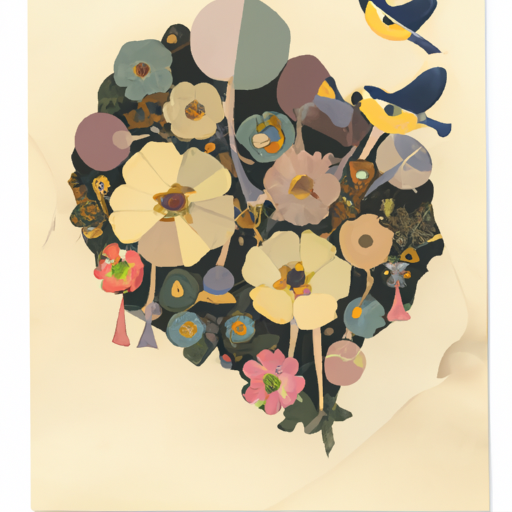
Nadieh Bremer is a data visualization designer known for her unique and imaginative visual style. Her work combines the beauty of art with the precision of data analysis, creating visually stunning and insightful representations. Bremer rose to prominence in the early 2010s, gaining recognition for her intricate and complex data visualizations. Her innovative use of color, typography, and interactive elements has made her style famous in the data visualization community.
View StyleExplore Style
Off White Brand is a modern and urban visual style that gained popularity in the fashion industry in the early 2010s. Founded by Virgil Abloh in 2012, Off White Brand became famous for its unique blend of streetwear, luxury, and artistic elements. The brand gained a strong following through its collaborations with other designers and artists. Off White Brand's bold use of logo-heavy designs, graphic prints, and industrial-inspired aesthetics elevated it to the forefront of contemporary fashion.
View StyleExplore Style
Paul Poiret was a French fashion designer who revolutionized women's fashion in the early 20th century. He is known for his artistic approach to clothing, combining luxurious fabrics, vibrant colors, and oriental influences. Poiret's style emerged in the early 1900s and reached its peak of popularity in the 1910s. He is famous for introducing the concept of loose-fitting, uncorseted garments, such as the hobble skirt and the harem pant. Poiret's use of bold patterns, rich embroideries, and lavish trims made his designs highly distinctive and sought after.
View StyleExplore Style
The visual style of Pharaoh Akhenaten, noted for its unique depictions of the human form with elongated limbs, wide hips, and exaggerated features, was prominent during the reign of Akhenaten in ancient Egypt (circa 1353–1336 BC). This style is famous for its departure from traditional Egyptian aesthetics, adopting a more naturalistic and expressive approach.
View StyleExplore Style
Post Punk is a visual style that emerged in the late 1970s and early 1980s as a reaction to the original punk movement. It is characterized by a combination of punk aesthetics with art and intellectual influences. Post Punk gained popularity between 1978 and 1984, becoming known for its experimentation and rejection of mainstream fashion. This style became famous for its unconventional mix of punk's DIY attitude, avant-garde art, political and social themes, as well as its dissonant and angular shapes.
View StyleExplore Style
The Proenza Schouler visual style is marked by contemporary and innovative designs that blend modern minimalism with artistic motifs. Established in 2002 by designers Jack McCollough and Lazaro Hernandez, Proenza Schouler gained fame for its use of abstract patterns, architectural silhouettes, and luxurious fabrics.
View StyleExplore Style
The Pskov School of Iconography emerged in the late 12th century in the city of Pskov, Russia. Known for its distinctive use of vibrant colors, ornate patterns, and detailed facial expressions, it reached its peak in the 14th and 15th centuries, creating icons that are highly esteemed for their spiritual and artistic significance.
View StyleExplore Style
The visual style of Radiohead can be described as avant-garde, experimental, and thought-provoking. Known for their innovative album artwork, music videos, and stage design, Radiohead's visual style became famous in the 1990s and continues to influence the music and art world.
View StyleExplore Style
Silvia Venturini Fendi's visual style is known for its modern, luxurious, and innovative designs in the fashion industry. Her work in the early 2000s brought attention to the Fendi brand for its use of fur and leather in unique and artistic ways.
View StyleExplore Style
Characterized by a minimalist yet impactful aesthetic, Susan Sontag's style is known for its clean lines, muted colors, and thoughtful composition. Influenced by modernist design principles, this style gained popularity in the mid-20th century for its intellectual and artistic approach to visual imagery.
View StyleExplore Style
The Sutton Hoo Ship Burial style originated in the early 7th century in England. It is characterized by intricate metalwork, including helmet and sword decorations, that showcase Anglo-Saxon craftsmanship and artistic skill.
View StyleExplore Style
Textile Design is a decorative art form that involves creating patterns and designs for fabrics and textiles. It gained popularity in the 19th century with the Arts and Crafts Movement, and has since become a prominent aspect of interior design and fashion.
View StyleExplore Style
Typographic Design focuses on the artistic arrangement of type to create visually appealing and effective communication. It became famous during the 20th century with the rise of modernist movements such as Bauhaus.
View StyleExplore Style
The Walt Disney Concert Hall is a modern architectural masterpiece located in Los Angeles. Designed by Frank Gehry, it was completed in 2003 and has since become an iconic landmark of the city. The hall is famous for its futuristic and contemporary design, characterized by its curvilinear stainless steel exterior. The complex forms, fluid lines, and reflective surfaces create a visually striking and dynamic structure. The interplay of light and shadow further enhances its aesthetic appeal and adds to its fame as a symbol of architectural innovation and artistic exploration in the 21st century.
View StyleExplore Style