StylopediaStylopedia

Art and technology styles on Stylopedia

A visual encyclopedia of art and technology styles – use as prompt inspiration for Midjourney, Gemini, or ChatGPT AI when making art and technology images

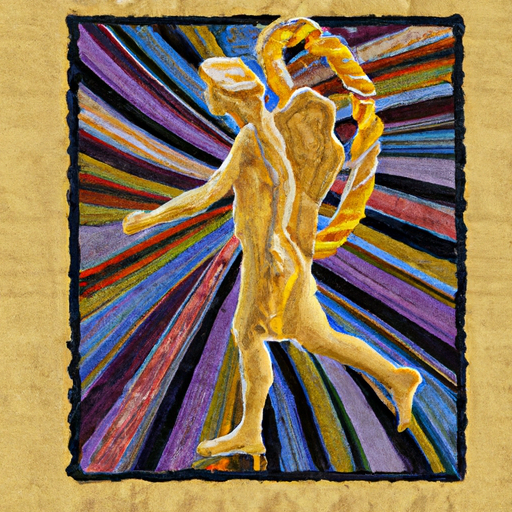
Example of visual style of Aaron Koblin

Aaron Koblin

Aaron Koblin is a visual artist known for his data-driven and interactive artworks. His style emerged in the early 2000s, pioneering the intersection of art and technology. Koblin gained significant recognition for his project 'The Sheep Market' (2007), where he crowdsourced 10,000 drawings of sheep through an online platform, showcasing the power of collective creativity. His works often involve transforming complex data sets into visually captivating and immersive experiences.

View StyleExplore Style

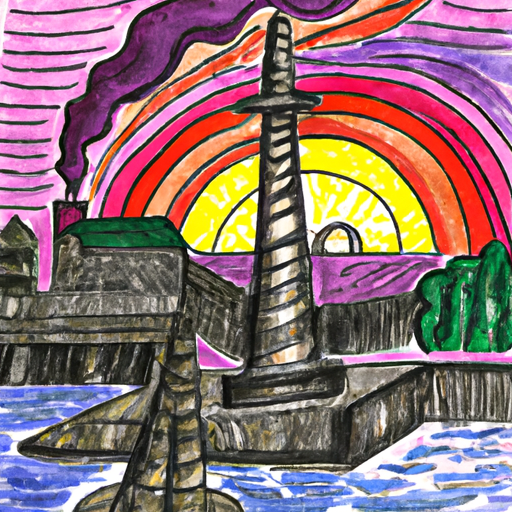
Example of visual style of Frieder Nake

Frieder Nake

Frieder Nake is a pioneer in the field of computer-generated art and a prominent figure in the digital art movement. His style, which emerged in the 1960s and continues to evolve today, is characterized by the use of algorithms and mathematical rules as a basis for creating visual compositions. Nake's groundbreaking work in computer art and algorithmic aesthetics, combined with his exploration of the intersection between art and technology, has made him famous for pushing the boundaries of traditional artistic practices.

View StyleExplore Style
Example of visual style of Martin Wattenberg

Martin Wattenberg

Martin Wattenberg is an American artist and computer scientist who is known for his innovative and visually striking data visualizations. His work gained prominence in the late 1990s and early 2000s, as he explored the intersection of art and technology. Wattenberg's visualizations often involve large datasets and strive to make complex information more accessible and engaging to a wide audience. His work became famous for its ability to reveal hidden patterns and insights within the data, fostering new understandings and perspectives.

View StyleExplore Style
Home