StylopediaStylopedia

Art styles on Stylopedia

A visual encyclopedia of art styles – use as prompt inspiration for Midjourney, Gemini, or ChatGPT AI when making art images

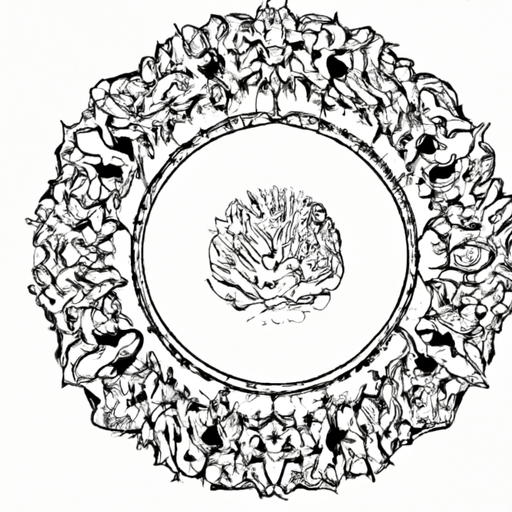
Example of visual style of Chinese Traditional Art

Chinese Traditional Art

Chinese Traditional Art refers to the artistic styles and techniques that developed in China over thousands of years, with influences from various dynasties including the Shang, Zhou, Tang, and Song. It reached its peak during the Ming (1368-1644) and Qing (1644-1912) dynasties. This art form is renowned for its meticulous attention to detail, harmony, and capturing the essence of nature and life. Famous for its landscapes, calligraphy, porcelain, and ink paintings, Chinese Traditional Art has had a profound impact on the art world globally.

View StyleExplore Style
Example of visual style of Hina Aoyama

Hina Aoyama

Hina Aoyama is a Japanese visual style that emerged in the late 1980s and gained popularity in the 1990s. It is characterized by vibrant colors, delicate and intricate patterns, and a fusion of traditional Japanese motifs with contemporary elements. Hina Aoyama became famous for its unique combination of traditional and modern aesthetics, creating a visually captivating and harmonious style. The style gained recognition for its influence on fashion, art, and graphic design in Japan.

View StyleExplore Style
Example of visual style of Islamic Calligraphy

Islamic Calligraphy

Islamic Calligraphy is a beautiful and intricate style of writing that has been an important art form in Islamic cultures for centuries. It emerged around the 7th century AD and reached its peak during the 9th to 14th centuries. This style of calligraphy became famous through its use in religious texts such as the Quran, as well as in architectural decorations, manuscripts, and other art forms. Islamic Calligraphy is known for its strong emphasis on geometric patterns, fluidity of strokes, and intricate design. The skillful combination of letters and words creates a visual representation of the divine word. Through its rich history and cultural significance, Islamic Calligraphy has become an iconic symbol of Islamic art and is revered for its beauty and spirituality.

View StyleExplore Style
Example of visual style of Josephine Baker

Josephine Baker

Josephine Baker is a visual style that emerged in the 1920s and 1930s. This style is associated with the iconic and revolutionary performer, Josephine Baker, who was known for her daring and glamorous stage presence. The visual style is characterized by flamboyant and exotic elements inspired by Baker's African roots and her experiences in the Parisian entertainment scene. Josephine Baker's provocative dance moves and costumes, such as her famous banana skirt and feathered headpieces, captivated audiences and influenced fashion and art of the time.

View StyleExplore Style
Example of visual style of Laszlo Moholy Nagy

Laszlo Moholy Nagy

Laszlo Moholy Nagy was a Hungarian artist and Bauhaus instructor known for his pioneering work in photography, photograms, and typography. He played a crucial role in the development of modernism, especially the constructivist movement, during the early 20th century. Nagy's style was characterized by bold geometric compositions, experimentation with new materials and techniques, and a focus on the relationship between technology and art. His innovative use of light, shadow, and transparency created a dynamic visual language that blurred the boundaries between art and design. Laszlo Moholy Nagy's influential work became famous in the 1920s and continues to inspire artists and designers today.

View StyleExplore Style
Example of visual style of Madonna

Madonna

Madonna is a visual style that emerged in the 1980s and remains influential today. It is named after the iconic pop singer Madonna, who revolutionized the music industry and popular culture with her daring fashion choices. The style is characterized by a bold and provocative aesthetic, combining elements of fashion, art, and performance. Madonna's unique blend of punk, pop, and glamour made her famous, and she became known for her revealing outfits, lace gloves, fishnet stockings, and layered accessories. She challenged societal norms and embraced sexuality, empowering women to express themselves freely. Madonna's visual style continues to inspire artists and designers across various creative fields.

View StyleExplore Style
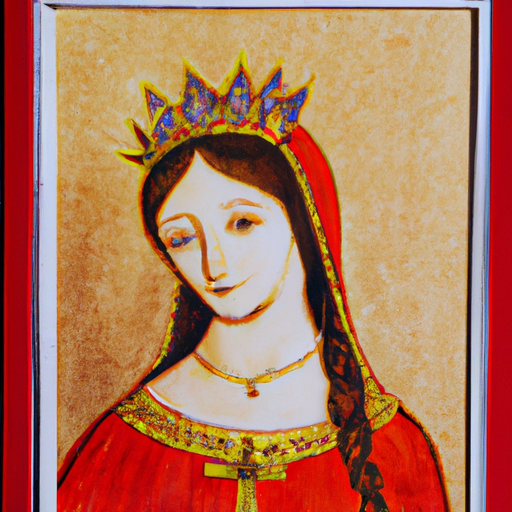
Example of visual style of Piero Manzoni

Piero Manzoni

Piero Manzoni was an Italian artist who was active in the 1950s and 1960s. He is best known for his provocative works that challenged the traditional notion of art. Manzoni gained fame for his 'Artist's Shit' series, where he canned his own excrement and labeled it as art. This controversial piece questioned the commodification of art and the value placed on the artist's name. His work also included the 'Living Sculptures' series, in which he would present himself as an artwork. Manzoni's visual style can be described as conceptual and conceptualist, with a focus on questioning the boundaries and purpose of art.

View StyleExplore Style
Example of visual style of Rinpa School

Rinpa School

The Rinpa School is a traditional Japanese art style that flourished from the 17th to the 19th century. It became famous for its intricate and vibrant depictions of nature, often featuring gold leaf backgrounds and highly detailed patterns. The style originated in Kyoto and was influenced by courtly aesthetics, Chinese painting techniques, and traditional Japanese crafts. Rinpa School artworks often portrayed scenes of flowers, birds, and landscapes, capturing the essence of Japan's natural beauty.

View StyleExplore Style
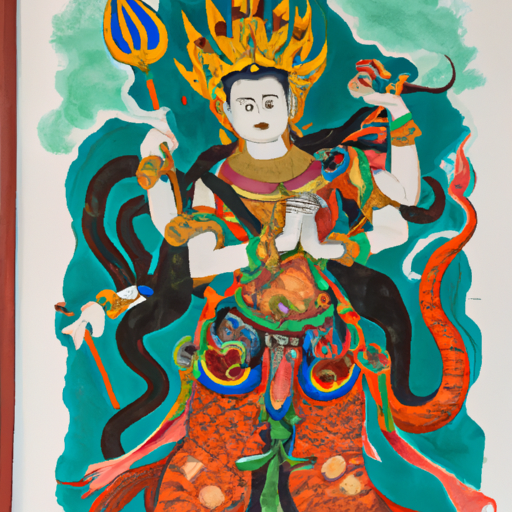
Example of visual style of Stieglitz Circle

Stieglitz Circle

The Stieglitz Circle was a group of American photographers and artists active from the late 19th century to the early 20th century. Led by photographer Alfred Stieglitz, the circle played a crucial role in promoting photography as an art form and advocating for its recognition in the art world. This movement is famous for revolutionizing photography by breaking away from traditional techniques and embracing a more avant-garde and modern approach. Important years for this style include the late 1800s to the early 1900s. The Stieglitz Circle gained prominence through the publication of the photography-based magazine 'Camera Work' and the founding of various art galleries, such as '291'.

View StyleExplore Style
Example of visual style of Virgil Abloh

Virgil Abloh

Virgil Abloh is known for his minimalist, avant-garde visual style. His style emerged in the late 2000s and gained prominence in the 2010s. Abloh blends high fashion with streetwear, creating a unique aesthetic that challenges traditional notions of luxury. He is famous for using unexpected materials, like industrial hardware, and incorporating text-based messaging into his designs. Abloh's style embodies a hybrid of fashion, art, and design, reflecting the contemporary cultural landscape.

View StyleExplore Style

Example of visual style of Vogue

Vogue

Vogue is a highly influential and iconic visual style that emerged in the early 20th century, particularly in the fields of fashion and photography. It became famous through the renowned fashion magazine named 'Vogue', which was first published in 1892. The magazine played a crucial role in defining and popularizing this style throughout the years. Vogue is known for its glamorous, sophisticated, and elegant aesthetic. It encompasses a fusion of fashion, art, culture, and beauty, showcasing the latest trends, couture designs, and captivating editorials. The iconic Vogue covers, featuring famous models, artists, and celebrities, have become synonymous with style and allure.

View StyleExplore Style
Home