
Ancient Roman Architecture
Ancient Roman Architecture is characterized by grandeur, symmetry, and durability, with iconic structures built between 509 BC and 4th century AD. Famous for its use of arches, domes, and columns.
View StyleExplore Style Stylopedia
A visual encyclopedia of arches styles – use as prompt inspiration for Midjourney, Gemini, or ChatGPT AI when making arches images
Ancient Roman Architecture is characterized by grandeur, symmetry, and durability, with iconic structures built between 509 BC and 4th century AD. Famous for its use of arches, domes, and columns.
View StyleExplore Style
Byzantine architecture developed in the Byzantine Empire in the 5th century and continued until the fall of Constantinople in 1453. Known for its use of domes, arches, and intricate mosaics.
View StyleExplore Style
The Guastavino style is characterized by the use of thin tiles for vaulted ceilings and arches, creating beautiful geometric patterns. It was popular in the late 19th and early 20th centuries and became famous for its innovative construction techniques.
View StyleExplore Style
Islamic Architecture is a distinct architectural style that emerged in the 7th century and continues to be influential today. It is characterized by its emphasis on geometric patterns, ornate calligraphy, and intricate tilework. The architectural style became famous during the golden age of Islamic civilization from the 9th to the 13th century, when magnificent structures such as the Great Mosque of Cordoba and the Alhambra were built. Islamic Architecture is known for its use of domes, arches, and minarets, as well as its unique blend of artistic and architectural elements from various regions such as the Middle East, North Africa, and Spain.
View StyleExplore Style
Mughal Architecture is a style developed during the Mughal Empire in the Indian subcontinent from the 16th to the 19th century. It is known for its grandeur and fusion of Islamic, Persian, and Indian architectural elements. Notable features include intricate ornamentation, large domes, minarets, arches, and the use of red sandstone and marble. Famous structures like the Taj Mahal and the Red Fort in Delhi are iconic examples of Mughal Architecture.
View StyleExplore Style
Persian architecture refers to the distinctive architectural style that emerged in the region of Persia (modern-day Iran) from around 500 BCE to the present day. Known for its intricate tilework, domes, and arches, Persian architecture reflects the rich cultural and artistic heritage of the Persian civilization.
View StyleExplore Style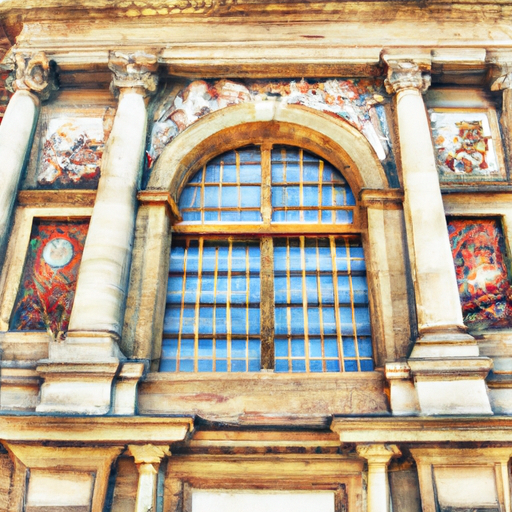
Renaissance Architecture, prevalent from the 14th to the 17th century, is characterized by a revival of classical Roman and Greek architectural elements. Famous for its grandeur, harmony, and symmetry, Renaissance Architecture brought back classical proportions and features such as domes, arches, columns, and pilasters. This style became famous for its influential architects such as Filippo Brunelleschi, Andrea Palladio, and Donato Bramante, and landmark structures like the Florence Cathedral, St. Peter's Basilica, and the Palazzo Farnese.
View StyleExplore Style
Renaissance Revival Architecture refers to a style that emerged in the 19th century, drawing inspiration from the architecture of the early Italian Renaissance. It became famous for its use of classical motifs and decorative elements such as columns, arches, and domes.
View StyleExplore Style
Roman Architecture refers to the architectural style developed by the ancient Romans from the 2nd century BCE to the 5th century CE. It is characterized by a combination of Greek and Etruscan influences, as well as the innovative use of arches, vaults, and domes. This style gained widespread fame for its grandeur, vast scale, and engineering feats, including iconic structures such as the Colosseum and the Pantheon.
View StyleExplore Style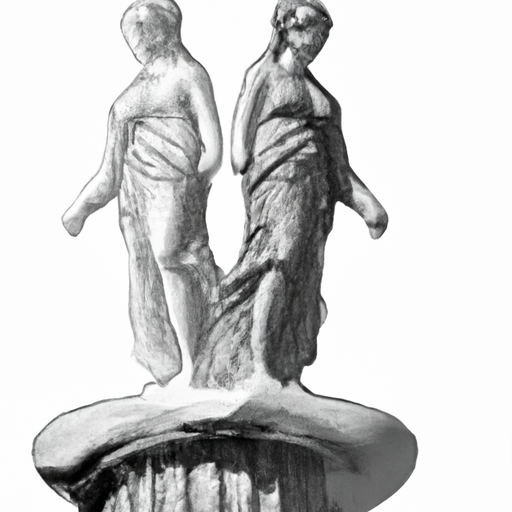
Roman Art refers to the artistic style developed in Ancient Rome between 509 BCE and 330 CE. It encompasses a wide range of art forms including sculpture, painting, architecture, and decorative arts. Roman Art became famous for its realistic portrayal of subjects, its grandeur, and its technical achievements. It was influenced by Greek art, but also incorporated unique elements such as the use of arches and vaults in architecture.
View StyleExplore Style