StylopediaStylopedia

Anti-establishment styles on Stylopedia

A visual encyclopedia of anti-establishment styles – use as prompt inspiration for Midjourney, Gemini, or ChatGPT AI when making anti-establishment images

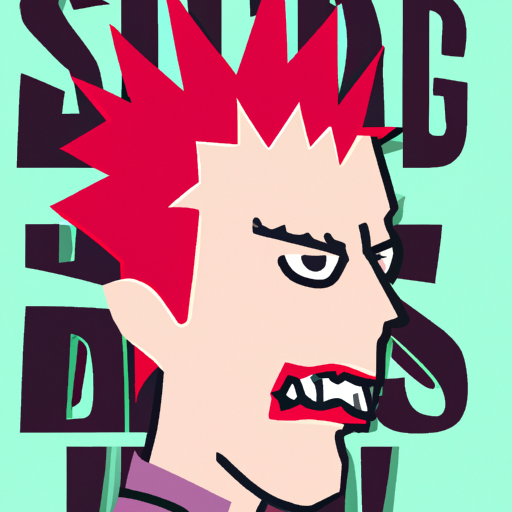
Example of visual style of Anarchy In The Uk

Anarchy In The Uk

Anarchy In The Uk was a visual style that emerged in the mid-1970s in the United Kingdom, reaching its peak during the punk rock movement. It is characterized by its rebellious and provocative nature, breaking away from traditional norms and embracing a DIY (Do It Yourself) spirit. The style became famous for its use of bold and aggressive imagery, chaotic and anti-establishment aesthetics. The combination of torn-paper graphics, distressed typographies, and a raw color palette conveyed a sense of discomfort and opposition to the prevailing societal norms, making it a visual representation of the punk ideology.

View StyleExplore Style
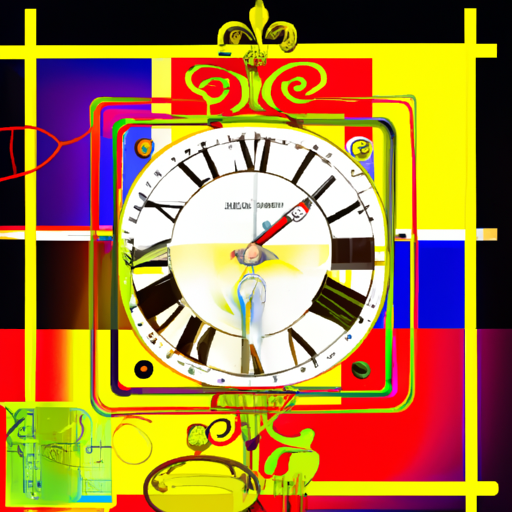
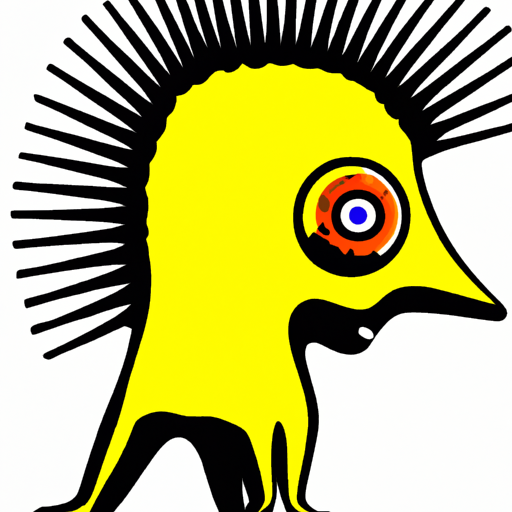
Example of visual style of Industrial Rock

Industrial Rock

Industrial Rock is a visually intense and gritty style that emerged in the late 1980s and gained popularity in the early 1990s. It is characterized by a fusion of heavy rock and industrial music, incorporating aggressive and distorted guitar riffs, synthesizers, and electronic elements. The style is known for its dark and raw aesthetics, combining elements of industrial machinery, urban decay, and post-apocalyptic imagery. Famous for its rebellious and anti-establishment themes, Industrial Rock became an important movement in the alternative music scene, with bands like Nine Inch Nails, Ministry, and Marilyn Manson achieving significant success.

View StyleExplore Style
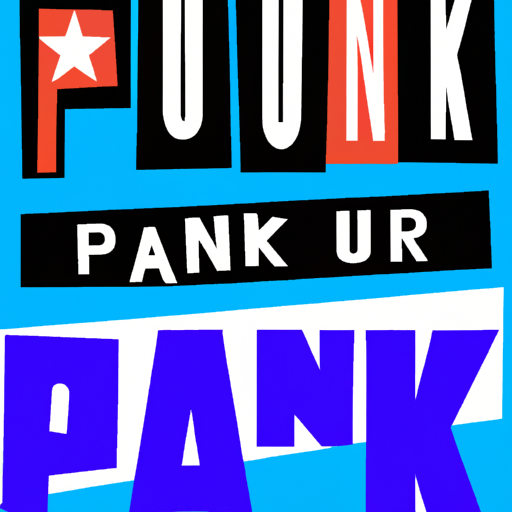
Example of visual style of Punk

Punk

Punk is a rebellious and anti-establishment style that emerged in the mid-1970s. It gained popularity in the punk rock music subculture and soon influenced various aspects of visual arts and fashion. Punk is characterized by its DIY (do-it-yourself) ethos, aggressive or anarchic attitude, and a rejection of mainstream norms. This style became famous for its provocative fashion choices such as torn clothing, leather jackets, band t-shirts, safety pins, and colored hair. Punk also showcased unique graphic design elements like distressed typography, collage, and hand-drawn illustrations. It continues to be an influential subculture that challenges societal norms.

View StyleExplore Style
Example of visual style of Punk Fashion

Punk Fashion

Punk Fashion emerged in the 1970s as a rebellious and anti-establishment subculture, primarily in the United States, United Kingdom, and Australia. It gained prominence in the late 1970s and early 1980s. Punk Fashion is characterized by its bold, unconventional, and aggressive style. It is known for its DIY (Do It Yourself) approach, with individuals creating their own unique looks using repurposed and customized clothing. This style often incorporates leather jackets, torn clothing, safety pins, band t-shirts, spiked hair, and heavy makeup. Punk Fashion was heavily influenced by punk rock music and was a way for its followers to express their dissatisfaction with mainstream society and challenge societal norms.

View StyleExplore Style
Example of visual style of Punk Movement

Punk Movement

The Punk Movement emerged in the mid-1970s and became famous for its rebellious and anti-establishment attitude. It was a subculture that originated in the United States, the United Kingdom, and Australia. Punk fashion was characterized by ripped clothing, band t-shirts, leather jackets, safety pins, and bold, eccentric hairstyles. The movement gained popularity through punk rock music, known for its fast-paced, energetic sound and lyrics that questioned authority. Notable years for punk were 1976-1979, when bands like the Sex Pistols and The Clash rose to prominence. The movement made a significant impact on art, fashion, and music, inspiring countless individuals to express their individuality and challenge societal norms.

View StyleExplore Style
Example of visual style of Punk Rock

Punk Rock

Punk Rock is a rebellious and anti-establishment visual style that emerged in the 1970s. It gained popularity during the punk rock movement, which was primarily driven by music but also influenced fashion and visual aesthetics. Known for its raw and DIY attitude, the style is characterized by bold and aggressive elements such as ripped clothing, leather jackets, safety pins, band logos, and graphic prints. Punk Rock style became famous for its loud, provocative, and confrontational nature, challenging societal norms and mainstream culture.

View StyleExplore Style
Example of visual style of Punk Rock Style

Punk Rock Style

Punk Rock Style emerged in the 1970s as a rebellious subculture primarily in the music scene, but it soon influenced fashion and visual aesthetics. Known for its raw and edgy look, punk rock style rebelled against mainstream norms and embraced individualism and self-expression. The style gained popularity with punk bands like The Ramones, Sex Pistols, and The Clash. It incorporated elements such as ripped clothing, leather jackets, band t-shirts, and safety pins as accessories. Punk rock style is characterized by its anti-establishment attitude and do-it-yourself ethos, making it a significant cultural movement during its time.

View StyleExplore Style
Example of visual style of Punk Style

Punk Style

Punk Style emerged in the mid-1970s as a rebellious and anti-establishment fashion movement. It reached its peak of popularity in the late 1970s and early 1980s. Punk fashion gained fame for its provocative and anarchic aesthetic, characterized by torn clothing, band t-shirts, leather jackets, safety pins, and ragged hairstyles. It became synonymous with the punk rock music subculture and served as a form of self-expression and protest against societal norms and conventions.

View StyleExplore Style
Example of visual style of Punk Subculture

Punk Subculture

Punk Subculture originated in the mid-1970s as a rebellion against social norms and mainstream culture. It gained popularity in the UK and soon spread worldwide. The style is characterized by a DIY (do-it-yourself) attitude, unconventional fashion, and a distinct anti-establishment attitude. Punk fashion often includes ripped clothing, safety pins, leather jackets, band t-shirts, and bold, vibrant hairstyles. The movement also embraced a unique form of music known as punk rock, which combined aggressive and energetic sounds with politically charged lyrics. Punk Subculture continues to influence fashion, music, and art to this day.

View StyleExplore Style
Example of visual style of Radical Design

Radical Design

Radical Design was a movement that emerged in Italy during the late 1960s and 1970s. It was known for its avant-garde and unconventional approach to design, challenging traditional notions of functionality and aesthetics. This style gained fame for its innovative and provocative designs that embraced anti-establishment ideologies and socio-political commentary. It was marked by bright colors, bold shapes, and the use of unconventional materials. Radical Design sought to break free from the constraints of mainstream design and create objects that were both functional and thought-provoking.

View StyleExplore Style
Example of visual style of Rat Subculture

Rat Subculture

Rat Subculture is a visual style that emerged in the late 1970s and gained popularity during the 1980s. It is characterized by its gritty, underground aesthetic and rebellious attitude. Inspired by punk and DIY culture, Rat Subculture became famous for its unconventional and unpolished approach to design. It is known for its raw and rough textures, hand-drawn elements, and bold use of typography. The style embodies a sense of anti-establishment and subversion, reflecting the countercultural movements of the time.

View StyleExplore Style
Example of visual style of Seditionaries

Seditionaries

Seditionaries, also known as Sex, was a visual style that emerged in London in the mid-1970s. It gained fame through its association with the punk rock movement and especially with the influential Malcolm McLaren and Vivienne Westwood. The style was characterized by its rebellious and confrontational attitude, incorporating provocative elements such as fetish wear, ripped clothing, safety pins, and punk band graphics. Seditionaries played a key role in shaping the punk fashion and aesthetic, making it a powerful visual representation of youth subculture and anti-establishment sentiment.

View StyleExplore Style
Example of visual style of Sid Vicious

Sid Vicious

Sid Vicious is a visual style that emerged in the punk rock scene of the late 1970s. It is characterized by a rebellious and chaotic aesthetic, often associated with punk icons such as Sid Vicious, the bassist of the Sex Pistols. This style became famous for its aggressive and anti-establishment themes, reflecting the punk movement's rejection of mainstream culture. The images and artwork associated with Sid Vicious often feature bold, distorted typography, DIY graphic elements, and a raw, anarchic energy.

View StyleExplore Style
Home