StylopediaStylopedia

Anime styles on Stylopedia

A visual encyclopedia of anime styles – use as prompt inspiration for Midjourney, Gemini, or ChatGPT AI when making anime images

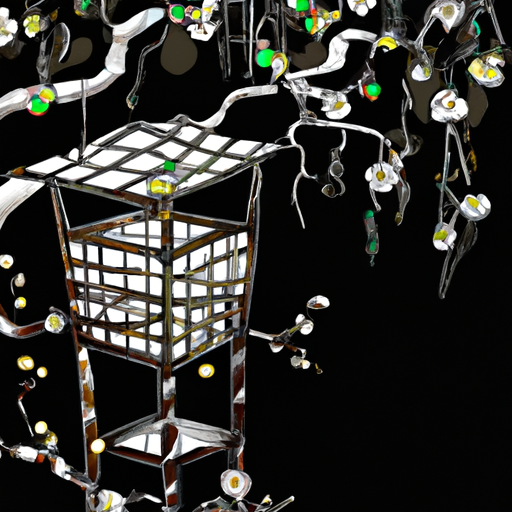
Example of visual style of Dnangel

Dnangel

Dnangel is an anime and manga series created by Yukiru Sugisaki. It was first serialized in 1997 and adapted into an anime series in 2003. The visual style of Dnangel is characterized by its detailed and intricate character designs, particularly the flowing and dynamic hairstyles. The use of vibrant and contrasting colors adds to the overall visually stunning experience. This style became famous for its unique blend of romance, fantasy, and action, along with its captivating storytelling.

View StyleExplore Style
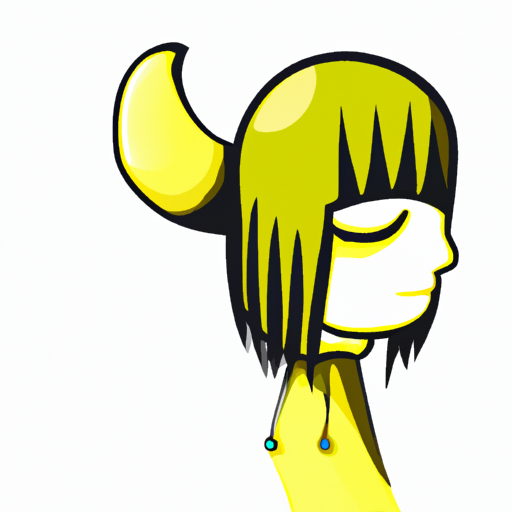
Example of visual style of Dragon Ball

Dragon Ball

Dragon Ball is a Japanese manga and anime series created by Akira Toriyama. It was first serialized in 1984 and later adapted into multiple animated television series, movies, and video games. The visual style of Dragon Ball is characterized by vibrant, colorful artwork with a distinctive blend of fantasy and science fiction elements. The characters are often portrayed with exaggerated features, dynamic poses, and intense battle scenes. Dragon Ball became famous for its captivating storytelling, memorable characters, and its influential impact on the anime and manga industry.

View StyleExplore Style
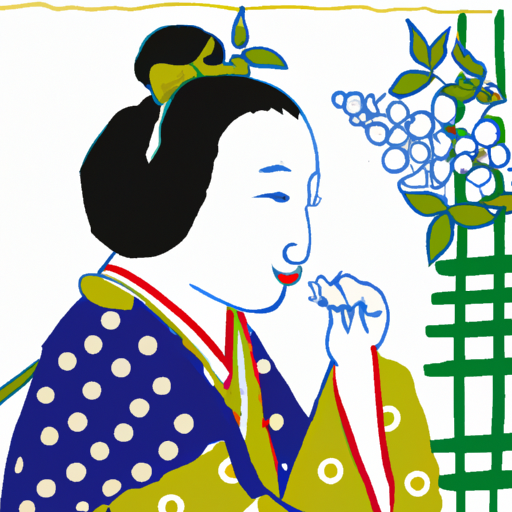
Example of visual style of Dragon Ball GT

Dragon Ball GT

Dragon Ball GT is an anime series that aired from 1996 to 1997. It is the sequel to the immensely popular Dragon Ball and Dragon Ball Z series. This visual style became famous for its vibrant and energetic artwork, with exaggerated and stylized character designs. It introduced new transformations and power levels for the characters, as well as a new adventure in space. The series has a more lighthearted tone compared to its predecessors and showcases a colorful and futuristic art style.

View StyleExplore Style
Example of visual style of Ghost In The Shell

Ghost In The Shell

Ghost In The Shell is a cyberpunk visual style that originated in Japanese manga and anime in the late 1980s. It became famous for its fusion of futuristic technology, dystopian settings, and philosophical themes. The style gained wider recognition with the release of the animated film of the same name in 1995, directed by Mamoru Oshii. The combination of detailed cityscapes, cybernetic enhancements, and introspective storytelling has made Ghost In The Shell an influential and iconic style in science fiction.

View StyleExplore Style
Example of visual style of Hiroyuki Yamaga

Hiroyuki Yamaga

Hiroyuki Yamaga is a Japanese director and screenwriter known for his unique visual style in anime. He gained recognition in the late 1980s and early 1990s as one of the co-founders of the animation studio Gainax. Yamaga's style is characterized by its attention to detail, vibrant color palettes, and fluid animation. His works often feature imaginative and surreal storytelling, with a blend of science fiction and fantasy elements. Yamaga's films and TV series, such as 'Wings of Honneamise' (1987) and 'Neon Genesis Evangelion' (1995), have become iconic and influential in the anime industry.

View StyleExplore Style
Example of visual style of Japanese Artists

Japanese Artists

Japanese Artists is a visual style that emerged from the art and culture of Japan. It encompasses a wide range of artistic traditions and techniques that have evolved over centuries. The style became famous internationally during the late 19th and early 20th centuries, during a period known as the Japonism movement. Japanese Artists are renowned for their exquisite attention to detail, vibrant colors, and symbolic imagery. Important years for this style include the Edo period (1603-1868) and the Meiji period (1868-1912). The influence of Japanese Artists can be seen in various art forms such as ukiyo-e prints, traditional paintings, anime, manga, and contemporary art.

View StyleExplore Style
Example of visual style of Katsuhiro Otomo

Katsuhiro Otomo

Katsuhiro Otomo is a Japanese manga artist and filmmaker known for his distinct visual style. His style emerged in the 1980s and became particularly famous with the release of his iconic cyberpunk manga series, Akira, in 1982. Otomo's style is characterized by detailed and intricate artwork, realistic depictions of cityscapes, and a gritty atmosphere. He often incorporates complex and futuristic technology, blending it with a dystopian aesthetic. Otomo's work is renowned for its attention to detail and his ability to create immersive and visually stunning worlds.

View StyleExplore Style
Example of visual style of Macross Series

Macross Series

The Macross Series is a Japanese mecha anime franchise that started in 1982. It gained popularity for its combination of transforming fighter jets, captivating storytelling, and intricate character development. The franchise became particularly famous for its distinctive space opera themes, detailed hand-drawn animation, and intricate mecha designs. It has been known to captivate audiences with its blend of action, romance, and science fiction. The Macross Series has continued to evolve over the years, with different installments exploring various storylines and introducing new mecha designs.

View StyleExplore Style
Example of visual style of Makoto Shinkai

Makoto Shinkai

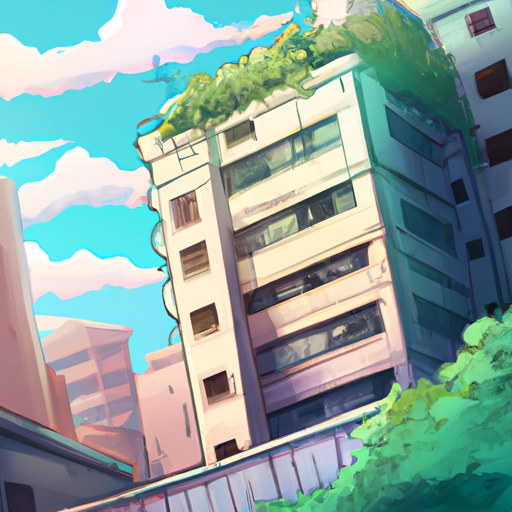
Makoto Shinkai is a Japanese anime filmmaker known for his distinct visual style that combines breathtakingly detailed and realistic backgrounds with emotional storytelling. He gained fame with his 2002 anime short film 'Voices of a Distant Star', which he independently created using his personal computer. Shinkai's works often revolve around themes of love, distance, and the beauty of everyday life. His use of vibrant colors, intricate landscapes, and atmospheric lighting creates a dreamlike and ethereal atmosphere in his films.

View StyleExplore Style
Example of visual style of Matrix Style

Matrix Style

The Matrix Style emerged in the late 1990s and gained prominence through its use in the groundbreaking film 'The Matrix' (1999). This style is characterized by its dark, dystopian atmosphere, with a predominant color palette of green and black. It combines cyberpunk elements, such as futuristic technology and a gritty urban environment, with a distinct visual language influenced by Japanese anime and Hong Kong action cinema. The Matrix Style became famous for its use of 'bullet time' slow-motion effects and the iconic 'falling green code' visuals.

View StyleExplore Style
Example of visual style of Miyuki Chan

Miyuki Chan

Miyuki Chan is an anime visual style that emerged in the late 1990s and gained popularity in the early 2000s. This style was made famous by the acclaimed manga artist CLAMP through their manga series 'Miyuki-chan in Wonderland'. The style is characterized by its vibrant colors, exaggerated expressions, and dreamlike landscapes. It often features cute and feminine characters with large eyes, petite figures, and elaborate costumes. Miyuki Chan style is known for its whimsical and fantastical elements, creating a surreal and enchanting visual experience.

View StyleExplore Style
Example of visual style of Mobile Suit Gundam

Mobile Suit Gundam

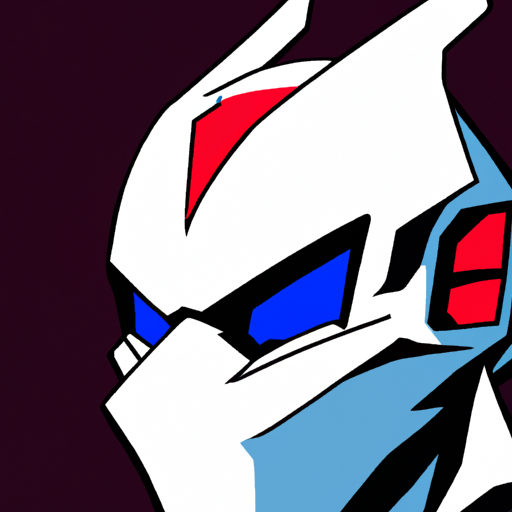
Mobile Suit Gundam is a Japanese mecha anime series created by Yoshiyuki Tomino. It was first aired in 1979 and quickly gained popularity for revolutionizing the mecha genre. The visual style of Mobile Suit Gundam is characterized by its detailed and realistic mechanical designs, vibrant color palettes, and dynamic action sequences. It became famous for introducing a more mature and gritty take on mecha storytelling, focusing on the moral complexities of war and the psychological struggles of its characters.

View StyleExplore Style
Home