StylopediaStylopedia

Animals styles on Stylopedia

A visual encyclopedia of animals styles – use as prompt inspiration for Midjourney, Gemini, or ChatGPT AI when making animals images

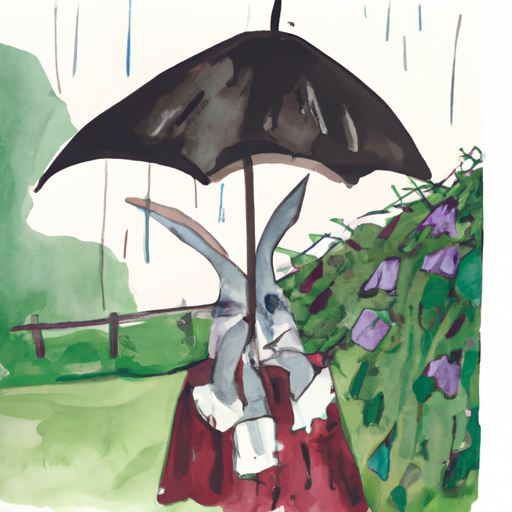
Example of visual style of Beatrix Potter

Beatrix Potter

Beatrix Potter is known for her charming and whimsical illustrations of animals, particularly in her children's books. This visual style became famous in the late 19th and early 20th centuries and is characterized by detailed and realistic depictions of animals in anthropomorphic settings. Potter's illustrations gained popularity through her iconic series of books, such as 'The Tale of Peter Rabbit.' Her delicate watercolor technique and attention to naturalistic details made her work stand out and captivated readers of all ages.

View StyleExplore Style
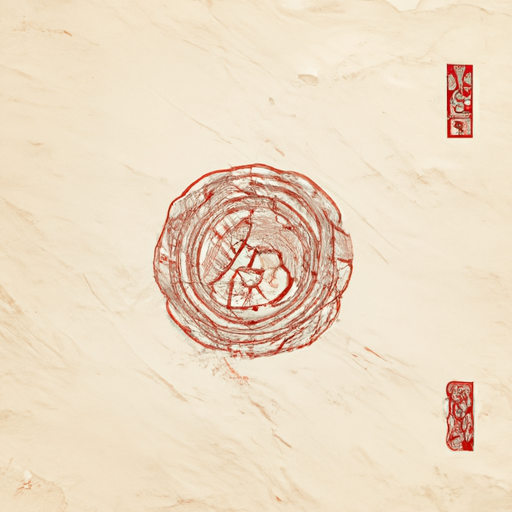
Example of visual style of Fiona Tang

Fiona Tang

Fiona Tang is a contemporary artist known for her stunning large-scale charcoal drawings. Her style combines realistic and surreal elements, creating immersive and visually captivating pieces. Tang gained significant recognition for her work in 2012 when she started incorporating trompe l'oeil techniques in her drawings. This technique, along with her meticulous attention to detail and skilled shading, gives her artwork a three-dimensional feel, as if the subjects are emerging from the paper. Tang's art often features animals, emphasizing the connection between humans and the natural world.

View StyleExplore Style
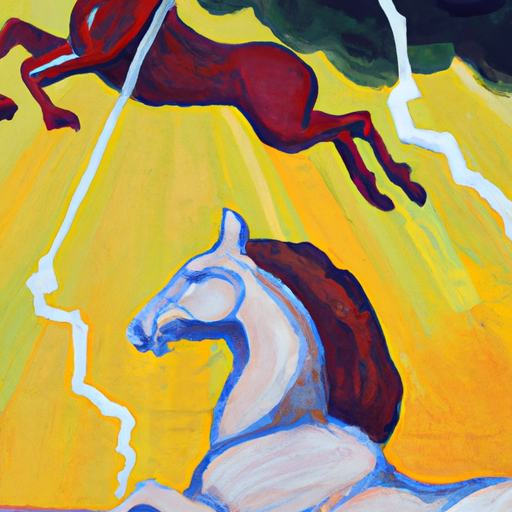
Example of visual style of Franz Marc

Franz Marc

Franz Marc was a German painter and one of the key figures of the Expressionist movement. His visual style, developed in the early 20th century, is characterized by vibrant and bold colors, abstracted forms, and a strong emphasis on the emotional and spiritual qualities of his subject matter. Marc is famous for his paintings of animals, particularly horses, which he used as symbols of purity, spirituality, and the untamed energy of nature. His style reached its peak between 1911 and 1914, but was tragically cut short by his premature death during World War I. Nevertheless, his contributions to Expressionism and his unique visual language continue to influence artists to this day.

View StyleExplore Style
Example of visual style of Hunnic Art

Hunnic Art

Hunnic Art refers to the visual style of the ancient Hunnic people, who dominated Central Asia and Eastern Europe from the 4th to the 6th century. This style is characterized by intricate and highly detailed metalwork, particularly in the form of belt buckles, plate fittings, and jewelry. Hunnic Art is famous for its portrayal of animals, especially stylized depictions of boars, stags, and birds. The use of geometric patterns and symmetrical designs is also a notable feature of this art style.

View StyleExplore Style
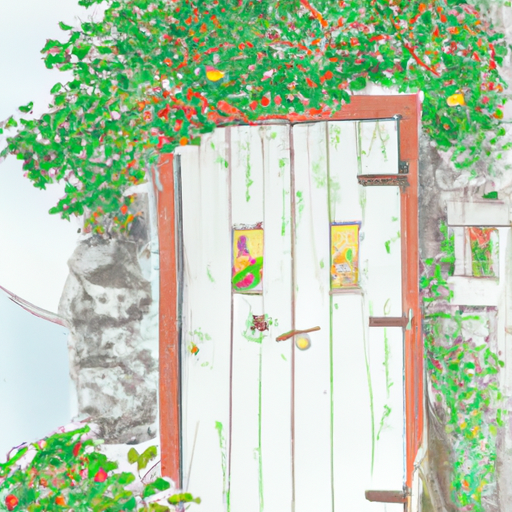
Example of visual style of Jean Baptiste Huet

Jean Baptiste Huet

Jean Baptiste Huet was a French painter and designer who lived from 1745 to 1811. He was known for his delicate and charming Rococo style, which became famous during the late 18th century. Huet's works often featured pastoral scenes, with an emphasis on nature, landscapes, and animals. His paintings were characterized by their soft color palette, graceful compositions, and intricate details. Huet's work became highly sought after and was popularized due to its romanticized depictions of the countryside, which resonated with the growing appreciation for idyllic rural life during that time.

View StyleExplore Style
Example of visual style of Marion Peck

Marion Peck

The visual style of Marion Peck is characterized by whimsical and surreal subject matters portrayed with meticulous detail and vibrant colors. Peck's style emerged in the late 1990s and became popular in the early 2000s, gaining recognition for its unique blend of nostalgic, dreamlike imagery infused with a touch of dark humor. Her works often depict strange and fantastical scenes featuring anthropomorphic animals, eerie portraits, and dreamscapes. Peck's meticulous technique and use of bold colors have made her style instantly recognizable and influential in contemporary pop surrealism.

View StyleExplore Style
Example of visual style of Maruyama Shijo School Of Painting

Maruyama Shijo School Of Painting

The Maruyama Shijo School of Painting, developed in the late 18th century in Japan, gained prominence during the Edo period. It was founded by Maruyama Okyo and flourished under his disciples. This style is famous for its naturalistic depictions of subjects, which included landscapes, birds, flowers, and animals. Maruyama Shijo School introduced the idea of capturing a subject's essence rather than merely imitating their appearance, resulting in a more expressive and emotive representation of nature. It influenced later Japanese artists and had a lasting impact on the development of modern Japanese painting.

View StyleExplore Style
Example of visual style of Qi Baishi

Qi Baishi

Qi Baishi is a Chinese painter known for his distinctive style characterized by its simplicity and charm. Born in 1864 and active during the 20th century, his art was greatly influenced by traditional Chinese painting techniques and his own creativity. Qi Baishi's fame primarily stems from his ability to depict a wide variety of subjects, including animals, plants, landscapes, and figures. He often utilized bold brushstrokes and vibrant colors to create lively and expressive compositions. His unique artistic approach garnered international recognition and established him as one of the most renowned Chinese painters of the 20th century.

View StyleExplore Style
Example of visual style of The Book Of Kells

The Book Of Kells

The Book of Kells is a highly illuminated manuscript Gospel book in Latin, containing the four Gospels of the New Testament. It is believed to have been created around the year 800 by Celtic monks on the remote island of Iona, and later moved to the Abbey of Kells in Ireland. The book is famous for its intricate and ornate decorations, which feature vivid colors, intricate interlace patterns, and intricate illustrations of animals, humans, and mythical creatures. The combination of its artistic skill, meticulous detailing, and historical significance has made The Book of Kells one of the most famous and important examples of Insular art.

View StyleExplore Style
Home