StylopediaStylopedia

Alienation styles on Stylopedia

A visual encyclopedia of alienation styles – use as prompt inspiration for Midjourney, Gemini, or ChatGPT AI when making alienation images

Example of visual style of Bret Easton Ellis

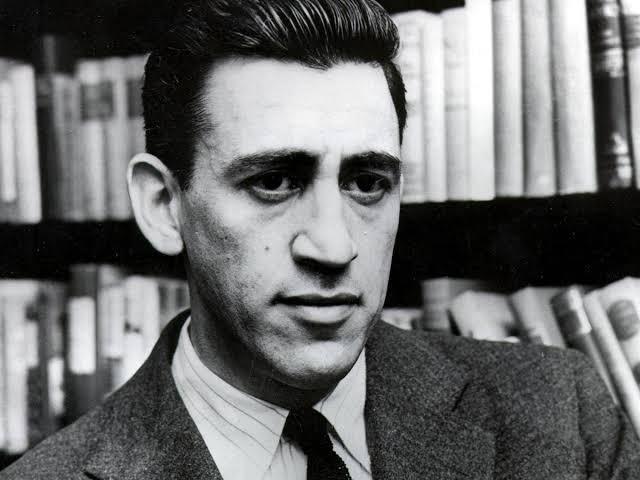
Bret Easton Ellis

Bret Easton Ellis is known for his gritty and dark visual style that emerged in the 1980s and 1990s. His style often explores themes of wealth, alienation, and excess, particularly in the lives of young people from privileged backgrounds. He gained fame with his controversial novel 'American Psycho' which depicted the narcissistic and violent tendencies of a Wall Street investment banker. Ellis's visual style became famous for its brutally honest portrayal of American culture during the time period.

View StyleExplore Style
Example of visual style of Die Brücke

Die Brücke

Die Brücke, meaning 'The Bridge' in German, was an influential visual style that emerged in the early 20th century. Founded by Ernst Ludwig Kirchner, Karl Schmidt-Rottluff, and other artists in Dresden, Germany in 1905, Die Brücke is famous for its bold and expressive style. It is regarded as one of the founding movements of German Expressionism. The artists of Die Brücke sought to break free from traditional academic art and explore themes of emotional intensity, inner turmoil, and the alienation of modern society. Their works often featured vibrant colors, distorted forms, and rough brushstrokes, conveying a raw and primal energy. Die Brücke became widely recognized for its contributions to the development of modern art in Germany and beyond.

View StyleExplore Style
Example of visual style of Gus Van Sant

Gus Van Sant

Gus Van Sant's visual style is characterized by his naturalistic approach, focusing on capturing intimate and raw emotions of his characters. His style became famous in the 1990s with films like 'Drugstore Cowboy' (1989), 'My Own Private Idaho' (1991), and 'Good Will Hunting' (1997), which explored themes of alienation, identity, and human connection. Van Sant's use of long takes, handheld camera work, and his ability to create a sense of authenticity through improvisation and non-professional actors, became his distinct hallmark.

View StyleExplore Style
Example of visual style of Jim Jarmusch

Jim Jarmusch

The Jim Jarmusch visual style is characterized by its minimalist and atmospheric aesthetic. Jarmusch is a renowned filmmaker known for his distinctive storytelling and unique approach to cinematography. His style emerged in the 1980s and became synonymous with independent cinema. Jarmusch's films often focus on unconventional narratives, quirky characters, and a subdued visual palette. In his movies, he explores themes of alienation, existentialism, and the beauty of mundane moments. Jarmusch's use of long takes, static camera shots, and deliberate pacing create a contemplative atmosphere that allows the audience to immerse themselves in his characters' worlds.

View StyleExplore Style
Example of visual style of Michelangelo Antonioni

Michelangelo Antonioni

Michelangelo Antonioni was an Italian film director known for his distinctive visual style. His style is characterized by long, static shots, careful composition, and meticulous attention to detail. Antonioni's films often explored themes of alienation, isolation, and the disconnection between individuals in modern society. He gained fame in the 1960s with films such as L'Avventura (1960), La Notte (1961), and L'Eclisse (1962), which challenged traditional narrative structures and emphasized mood and atmosphere over plot. Antonioni's style became iconic for its use of wide-angle lenses, color symbolism, and architectural framing. His films are known for their exquisite cinematography and their ability to capture emotional and existential complexity.

View StyleExplore Style
Example of visual style of Thin White Duke

Thin White Duke

The Thin White Duke was a visual style associated with the English musician David Bowie in the mid-1970s. This style is characterized by a sleek and androgynous look, with Bowie dressed in formal attire such as tailored suits, high collars, and slicked-back hair. The Thin White Duke became famous during Bowie's 1976 album and tour 'Station to Station,' and it marked a departure from his previous glam rock personas. The style embodied a cool and detached elegance, reflecting Bowie's exploration of themes of alienation and emotional repression.

View StyleExplore Style
Home