StylopediaStylopedia

Aggressive styles on Stylopedia

A visual encyclopedia of aggressive styles – use as prompt inspiration for Midjourney, Gemini, or ChatGPT AI when making aggressive images

Example of visual style of Anarchy In The Uk

Anarchy In The Uk

Anarchy In The Uk was a visual style that emerged in the mid-1970s in the United Kingdom, reaching its peak during the punk rock movement. It is characterized by its rebellious and provocative nature, breaking away from traditional norms and embracing a DIY (Do It Yourself) spirit. The style became famous for its use of bold and aggressive imagery, chaotic and anti-establishment aesthetics. The combination of torn-paper graphics, distressed typographies, and a raw color palette conveyed a sense of discomfort and opposition to the prevailing societal norms, making it a visual representation of the punk ideology.

View StyleExplore Style
Example of visual style of Industrial Rock

Industrial Rock

Industrial Rock is a visually intense and gritty style that emerged in the late 1980s and gained popularity in the early 1990s. It is characterized by a fusion of heavy rock and industrial music, incorporating aggressive and distorted guitar riffs, synthesizers, and electronic elements. The style is known for its dark and raw aesthetics, combining elements of industrial machinery, urban decay, and post-apocalyptic imagery. Famous for its rebellious and anti-establishment themes, Industrial Rock became an important movement in the alternative music scene, with bands like Nine Inch Nails, Ministry, and Marilyn Manson achieving significant success.

View StyleExplore Style
Example of visual style of Neville Brody

Neville Brody

Neville Brody is a graphic designer known for his bold, aggressive and innovative typographic designs. He rose to fame in the 1980s and 1990s through his work with influential music publications like The Face and Arena. Brody's distinctive style captured the energy and rebellious spirit of the punk and post-punk subcultures. He popularized the use of unconventional typography, combining different typefaces, sizes, and orientations to create visually striking and dynamic layouts. Brody's designs broke traditional design rules and challenged the status quo, making him a pivotal figure in the evolution of graphic design.

View StyleExplore Style
Example of visual style of Punk

Punk

Punk is a rebellious and anti-establishment style that emerged in the mid-1970s. It gained popularity in the punk rock music subculture and soon influenced various aspects of visual arts and fashion. Punk is characterized by its DIY (do-it-yourself) ethos, aggressive or anarchic attitude, and a rejection of mainstream norms. This style became famous for its provocative fashion choices such as torn clothing, leather jackets, band t-shirts, safety pins, and colored hair. Punk also showcased unique graphic design elements like distressed typography, collage, and hand-drawn illustrations. It continues to be an influential subculture that challenges societal norms.

View StyleExplore Style
Example of visual style of Punk Fashion

Punk Fashion

Punk Fashion emerged in the 1970s as a rebellious and anti-establishment subculture, primarily in the United States, United Kingdom, and Australia. It gained prominence in the late 1970s and early 1980s. Punk Fashion is characterized by its bold, unconventional, and aggressive style. It is known for its DIY (Do It Yourself) approach, with individuals creating their own unique looks using repurposed and customized clothing. This style often incorporates leather jackets, torn clothing, safety pins, band t-shirts, spiked hair, and heavy makeup. Punk Fashion was heavily influenced by punk rock music and was a way for its followers to express their dissatisfaction with mainstream society and challenge societal norms.

View StyleExplore Style
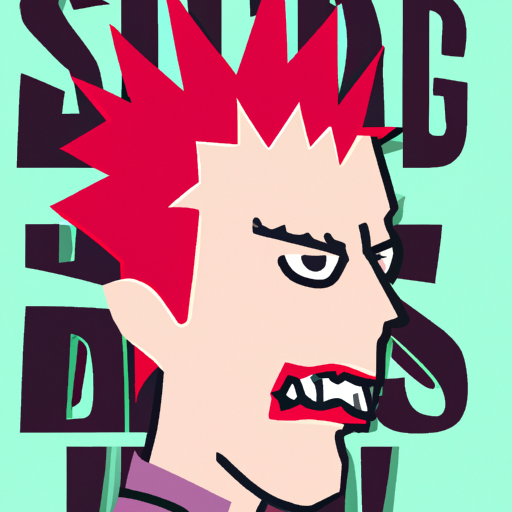
Example of visual style of Punk Rock

Punk Rock

Punk Rock is a rebellious and anti-establishment visual style that emerged in the 1970s. It gained popularity during the punk rock movement, which was primarily driven by music but also influenced fashion and visual aesthetics. Known for its raw and DIY attitude, the style is characterized by bold and aggressive elements such as ripped clothing, leather jackets, safety pins, band logos, and graphic prints. Punk Rock style became famous for its loud, provocative, and confrontational nature, challenging societal norms and mainstream culture.

View StyleExplore Style
Example of visual style of Shelby Mustang

Shelby Mustang

The Shelby Mustang is a classic American muscle car that rose to fame in the 1960s. It is widely known for its powerful performance and aggressive design, which made it stand out from other cars of its time. The iconic Shelby Mustangs were produced from 1965 to 1970, with the 1967 Shelby GT500 being one of the most famous models. Its distinctive features included a prominent hood scoop, racing stripes, and a muscular body. The Shelby Mustang became famous for its dominance on the racetrack, especially in the Sports Car Club of America (SCCA) competitions. The combination of speed, style, and success on the track solidified its place in automotive history.

View StyleExplore Style
Example of visual style of Sid Vicious

Sid Vicious

Sid Vicious is a visual style that emerged in the punk rock scene of the late 1970s. It is characterized by a rebellious and chaotic aesthetic, often associated with punk icons such as Sid Vicious, the bassist of the Sex Pistols. This style became famous for its aggressive and anti-establishment themes, reflecting the punk movement's rejection of mainstream culture. The images and artwork associated with Sid Vicious often feature bold, distorted typography, DIY graphic elements, and a raw, anarchic energy.

View StyleExplore Style
Example of visual style of Tyrannosaurus Rex

Tyrannosaurus Rex

Tyrannosaurus Rex is a bold and aggressive visual style that emerged in the 1970s. Inspired by the power and dominance of the Tyrannosaurus rex dinosaur, this style gained popularity for its raw energy and dynamic compositions. The style is characterized by strong graphic elements, vibrant and contrasting colors, and a sense of movement. It became famous for its use in album covers, concert posters, and book illustrations, capturing the rebellious spirit of the era.

View StyleExplore Style
Home